How to Clean a Polyester Couch (Polyester Sofa Cleaning Guide)
By Samer Alsayegh · · Updated · 9 min read

Key Takeaways
- Check the couch tag: W means water-safe, S means solvent-only, X means vacuum only
- Always spot test any cleaning solution on a hidden area first
- Mix mild liquid detergent with warm water, never use bleach
- Baking soda helps lift odours and light stains from polyester fabric
- Steam only W or WS-coded couches, at low pressure, and never over-wet the fabric
Stains and spills on a polyester couch look worse than they are. Polyester is one of the more forgiving upholstery fabrics, and most of what lands on it comes out with everyday home products if you follow the right order.
Tools and materials needed
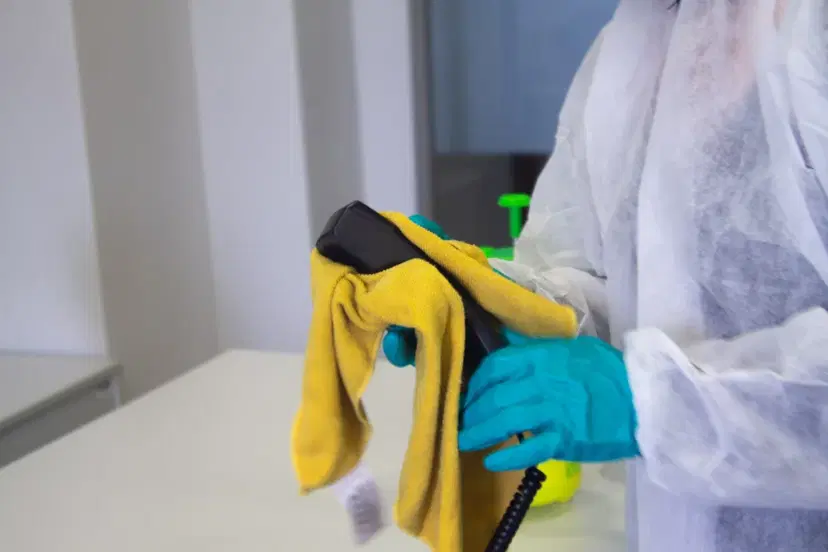
A pail of warm water, gentle laundry detergent, a microfibre towel, a soft-bristle brush, a vacuum with an upholstery attachment, and a container of clean water for rinsing. Wear gloves if you're using anything stronger than mild detergent, and clean in a ventilated room.
Two extras help a lot: a spray bottle, so you can mist instead of soak, and a stack of white cloths. Coloured cloths can bleed dye into light fabric when they're wet.
Clean the couch covers first
If your couch has removable covers, clean those before touching the couch itself. Skip bleach. A steam cleaner works at a low temperature setting, but avoid solvent-based cleaners on covers, since they can damage the fabric backing.
Check the cover's own label before you put it in the washer. Some covers have a foam or latex backing that cracks in the dryer. When in doubt, wash cold on gentle and air dry the covers while they're still slightly damp on the cushions, so they don't shrink out of shape.
Cleaning a polyester couch: steps to follow
1. Vacuum first
Vacuum the whole couch to lift dust and loose particles before anything gets wet, since wet-cleaning over loose dirt just grinds it in. Use the crevice tool along the seams and under the cushions, where crumbs and grit collect.
2. Check the care tag
Find the care code before choosing a cleaning method:
- W: water-based cleaning only
- S: solvent-based cleaner only, no water
- WS: either water or solvent-based cleaning
- X: vacuum only, no liquid cleaning at all
This matters more than any specific product: cleaning an S-coded couch with water can cause water rings or backing damage that's hard to reverse.
3. Spot test
Test any cleaning solution on a hidden section (underneath a cushion or the back of the frame) before applying it anywhere visible. Wait until the test spot is fully dry before you judge it. Colour change and stiffness often only show up after drying.
4. Prepare the cleaning solution
For W or WS-coded polyester, mix a small amount of mild liquid detergent into warm water. Skip harsh chemicals and bleach, which can discolour or weaken polyester fibres. A specialized upholstery cleaner formulated for polyester works well too.
If you live somewhere with hard tap water, mix your solution with distilled water. Minerals left behind as the fabric dries can leave a faint ring, especially on dark couches.
5. Clean the surface
Dip a microfibre cloth in the diluted solution, wring out excess water, and wipe the couch in small sections. For general odour and light staining, baking soda sprinkled on the surface and vacuumed off after 30 minutes helps.
Work seam to seam. Stopping in the middle of a cushion leaves a visible line where clean meets less clean.
6. Treat stains
Mix a slightly stronger detergent solution for stained spots. Apply and blot gently with a microfibre towel. Rubbing spreads the stain further into the fabric instead of lifting it.
7. Rinse
Wipe over the cleaned areas with a cloth dampened in plain water to remove leftover detergent residue.
8. Remove excess moisture
Blot with a dry cloth or paper towel to speed drying and prevent watermarks. A fan or open window helps too.
9. Brush and fluff
Once fully dry, brush the fabric gently with a soft-bristled brush or dry sponge in the direction of the fibres to restore texture and lift any flattened spots.
10. Clean the cushions
If cushion covers are removable and machine-washable, wash on a gentle cycle. For non-removable covers, work soapy water in with a sponge, rinse with a second tub of clean water, then wrap in towels to speed drying.
Stain-by-stain guide
Act fast, blot first, and match the fix to the stain. These apply to W or WS-coded polyester unless noted.
| Stain | First step | Cleaner to use |
|---|---|---|
| Coffee or tea | Blot with a dry cloth | Mild dish soap and cool water |
| Red wine or juice | Blot, then mist with cool water | Dish soap solution, then a little white vinegar if colour remains |
| Grease or cooking oil | Sprinkle cornstarch, wait 15 minutes, brush off | Dish soap, which cuts oil. On S-coded fabric, a solvent cleaner |
| Ink | Blot only, don't wet | Rubbing alcohol dabbed on a white cloth |
| Pet urine or vomit | Remove solids, blot well | Enzyme cleaner, left to work per the label |
| Mud | Let it dry completely | Vacuum, then a soap solution for what's left |
Never use hot water on protein stains like blood, milk, or vomit. Heat sets them into the fibres.
Microsuede and S-coded polyester
Many "microfibre" or microsuede couches are polyester with an S code. Water leaves dark rings on them, but rubbing alcohol cleans them well because it evaporates fast.
- Put rubbing alcohol in a spray bottle.
- Mist a small section lightly.
- Scrub with a white sponge or cloth in one direction.
- Let it dry. The fabric may feel stiff.
- Brush with a soft brush to bring back the soft nap.
Open a window while you work, and keep alcohol away from heat sources and open flames.
Drying through the seasons
Drying time changes a lot with the weather. In an Ottawa or Montreal winter, the furnace keeps indoor air dry and a couch dries fast. In a humid Toronto July with the windows open, the same couch can stay damp for most of a day. Health Canada recommends keeping indoor humidity between 30% and 50%. On muggy days, run the AC or a dehumidifier while the couch dries, and point a fan across the fabric.
How often to clean
| Task | How often |
|---|---|
| Vacuum, including under cushions | Weekly, more with pets |
| Flip and rotate cushions | Every couple of weeks |
| Spot-treat spills | Right away |
| Full surface clean | Every few months |
| Professional deep clean | Once a year, or when stains won't lift |
Keeping it clean
- Vacuum regularly to stop dirt from working into the fibres.
- Treat stains immediately: the longer they sit, the harder they are to fully lift.
- Call in professional upholstery cleaning for heavily soiled couches or stains that don't respond to spot treatment.
What to avoid
- Bleach and abrasive cleaners. They discolour and weaken polyester threads. And never mix cleaning products, since some combinations release dangerous fumes.
- Overwetting. Too much water slows drying and leaves watermarks.
- Aggressive scrubbing. Hard scrubbing or abrasive tools can cause pilling or fraying in the fibres.
- Skipping the spot test. It's the one step that catches a fabric reaction before it's on the whole couch instead of one corner.
- Using a hair dryer. High heat can melt or glaze polyester fibres and set any stain that's left.
A clean polyester couch holds its colour and texture for years with routine care. It's mostly about matching the method to the care code rather than any single trick. If you'd rather leave it to the pros, see Ezi's house cleaning services or book a cleaning service today.
How To
Frequently Asked Questions
Can you steam clean a polyester couch?
Yes, most polyester couches tolerate steam cleaning, but always check the care tag first. A 'W' or 'WS' code means water-based cleaning (including steam) is safe. An 'S' code means solvent-only, so avoid steam and water. An 'X' code means vacuum only. Steam at low pressure and keep the nozzle moving to avoid over-saturating the fabric.
Is a polyester couch easy to clean?
Generally yes. Polyester is one of the more forgiving upholstery fabrics. It doesn't absorb liquids as quickly as cotton or linen, resists most everyday stains, and can usually be spot-cleaned with mild soap and water. The exception is oil-based stains, which need a solvent-based cleaner even on a 'W'-coded couch.
What cleaning products are safe for polyester upholstery?
For 'W' and 'WS' coded polyester: mild dish soap mixed in water, upholstery foam cleaners, or enzyme-based stain removers for organic stains (food, pet accidents). For 'S' coded polyester: dry-cleaning solvent or rubbing alcohol applied sparingly. Always test any product in a hidden area first.
How do you remove odours from a polyester couch?
Sprinkle baking soda generously over the couch surface, let it sit for 30–60 minutes to absorb odours, then vacuum thoroughly with an upholstery attachment. For persistent odours (pet, smoke, mildew), a fabric deodorising spray or enzyme cleaner may be needed. Steam cleaning also neutralises odours effectively on 'W' or 'WS' coded fabrics.
What happens if a polyester couch gets wet?
Polyester is synthetic and more water-resistant than natural fabrics, but prolonged moisture can cause mildew, water rings, or backing delamination. If your couch gets wet, blot immediately with a dry cloth, then use a fan or open windows to speed drying. Never sit on wet upholstery, as it can compress and distort the cushion fill.
couches
Written by
Home Cleaning · Maintenance
Co-founder of Ezi Services and Draftbase, entrepreneur and builder focused on SaaS, AI, and growth — I turn ideas into scalable businesses using technology, automation, and relentless execution.