How To Clean Carpet On Stairs
By Samer A. · · Updated · 4 min read
Key Takeaways
- Vacuum stairs weekly, more often with pets or kids
- Scrape off excess pet hair with a brush before vacuuming
- Shampoo stair carpet quarterly to lift embedded dirt and stains
- Deep clean and steam stairs once or twice a year
- Always clean stairs from the top down to avoid spreading dirt
Stairs are one of the highest-traffic spots in a home. Shoes, socks, and bare feet cross them dozens of times a day, so carpeted stairs pick up dirt and stains faster than almost any other surface in the house — and they're awkward to clean because you can't just push a full-size vacuum up and down them.
The good news: with the right order of operations, cleaning carpeted stairs is quick. Here's the method, plus how to avoid the mistakes that damage carpet and how it connects to cleaning carpet elsewhere in the home.
The Best Way to Clean Carpeted Stairs
1. Scrape Off Excess Hair
Run a pet hair remover brush or rubber squeegee over each step first. Pulling hair out before vacuuming means the vacuum isn't just pushing it around — it's picking up what's left.
2. Use a Lightweight Vacuum
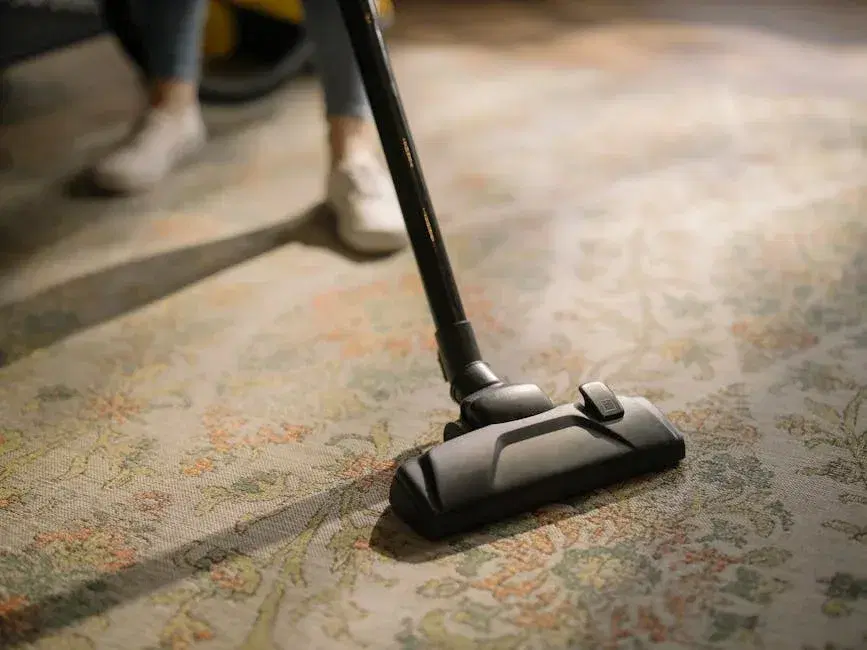
A handheld or lightweight vacuum is far easier to manage on stairs than dragging a full-size upright up and down. No handheld? A hose attachment with a soft brush head works too. If the rest of the home needs attention as well, pair this with a general cleaning so you're not just spot-treating the stairs.
3. Shampoo the Carpet
A carpet shampoo lifts stains and embedded fur, hair, and dirt that vacuuming alone won't touch. Save this step for every few months, not every clean — it's a deep clean, not routine maintenance.
4. Try a DIY Solution
Mix 2 tablespoons of laundry detergent, about 3 tablespoons of an OxiClean-type stain remover, ¼ cup of oxygen-based cleaner, and 1 teaspoon of fabric softener into water. Spot-test on a hidden corner of a step first — some carpet dyes react to DIY mixes, and you want to find that out on one square inch, not the whole staircase.
5. Dry the Stairs Completely
Damp stairs are both a slip risk and a mildew risk. Keep foot traffic off until they're fully dry — walking on wet carpet also grinds fresh dirt right back into the fibres you just cleaned.
6. Vacuum Once More
A final vacuum once everything is dry lifts any loosened dirt the shampoo brought to the surface but didn't fully remove.
How Often
Vacuum weekly, shampoo quarterly, and deep clean or steam once or twice a year. Stairs see more concentrated foot traffic than open-plan carpet, so they get dirty faster — don't stretch out the schedule just because the area is small.
Cleaning Stair Carpet by Hand
No machine on hand? These work too:
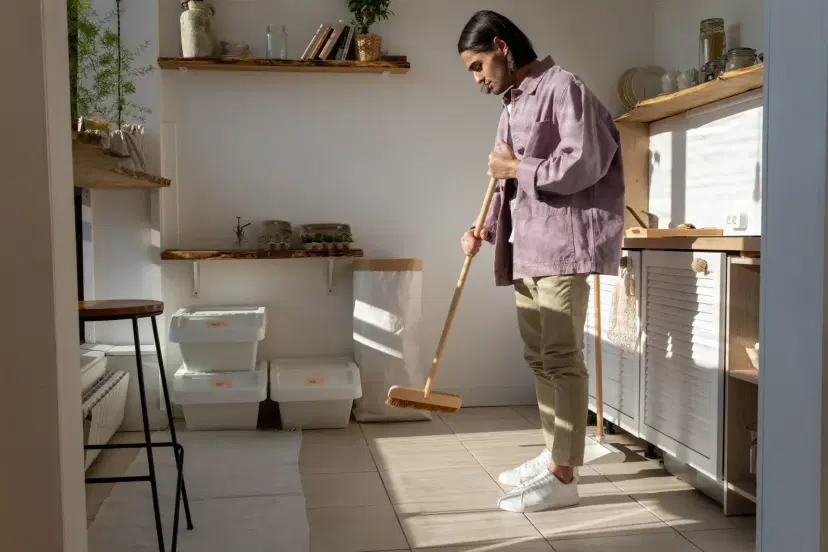
- Stiff brush or broom, used regularly. Frequent light cleaning means less need for a deep clean later. Work top to bottom so your feet don't grind dirt further into the carpet, and sweep debris into a dustpan at the bottom.
- Carpet shampoo by hand. Mix with water, scrub into stains with a brush (skip this on looped/threaded carpet, which snags), then blot the area dry with a towel or stand on it briefly to help it absorb the moisture.
- White vinegar rinse. A quarter cup of white vinegar in a gallon of water, worked in with a scrub brush, rinses out leftover detergent residue.
Cleaning Stair Carpet With a Machine
Two options: vacuuming and steam cleaning. A handheld or lightweight vacuum manoeuvres into tread-riser junctions faster than a full-size unit — exactly where dust and debris collect most on stairs.
For embedded dirt vacuuming can't reach, a steam cleaner or compact carpet extractor goes deeper. These are available to rent, or you can book professional carpet cleaning for stairs specifically, since full-size carpet cleaners generally don't fit the tread width.
Always Start at the Top
Clean stairs top to bottom, not bottom to top. Working downward means dirt and cleaning solution from higher steps never lands on a step you've already finished — working upward does the opposite. It also lets you confirm each step is dry before moving to the next, which matters both for the carpet and for footing on the stairs while they're damp.
Using the right products and technique for your carpet type is what keeps stairs looking good instead of matted and dull after a few cleanings. Carpeted stairs hold up well to a regular maintenance schedule — the effort is mostly in staying consistent, not in any single cleaning session. Ready for spotless stairs? Book a professional carpet cleaning.
Frequently Asked Questions
What is the best way to vacuum carpet on stairs?
Work from the top step down. Use a crevice tool or a handheld vacuum for the tread-riser junction — that's where dust and pet hair accumulate most. For the flat tread surface, use an upholstery attachment with suction only (no rotating brush if your carpet is looped). Go over each step twice: once along the length and once across.
How do you deep clean carpet on stairs without a machine?
Mix 1 tablespoon of dish soap, 1 tablespoon of white vinegar, and 2 cups of warm water. Apply with a soft-bristle brush, scrubbing in a circular motion. Blot (never rub) with a clean white cloth to lift the solution and dirt. Rinse with a barely damp cloth. Let dry completely with windows open or a fan running.
Can you use a carpet cleaner on stairs?
Full-size upright carpet cleaners are generally too bulky for stairs. A portable handheld carpet extractor or a spot cleaner (like a Bissell Little Green) works well on each tread. Alternatively, professional stair carpet cleaning services use compact wand extractors designed specifically for stairs.
How do you remove pet hair from stair carpet?
A rubber squeegee dragged across the carpet is one of the most effective tools — the rubber attracts and gathers hair into a bundle you can pick up by hand. A damp rubber glove works similarly. Follow up with a vacuum using the crevice tool in the corners where hair collects.
How often should you clean carpet on stairs?
Vacuum stairs at least once a week — more often with pets or children. Spot-treat stains as soon as they happen. Deep clean every 6–12 months with a handheld extractor or by hiring professionals. Stairs see concentrated foot traffic, so they get dirty faster than open-plan carpet.
How do I clean carpet on stairs effectively?
Vacuum the stairs thoroughly, focusing on edges and corners. Then, use a carpet cleaner or steam cleaner with a handheld attachment for deeper cleaning.
What tools do I need to clean carpet on stairs?
You will need a vacuum cleaner with a hose attachment, a carpet cleaner or steam cleaner with a handheld attachment, and possibly a carpet brush.
What is the best way to remove stains from carpet on stairs?
Blot the stain with a clean, damp cloth. Then, apply a carpet stain remover according to the product's instructions. Scrub gently, then rinse and blot until the stain is removed.
What are some tips to maintain clean carpets on stairs?
Use a mat at the base of the stairs to reduce dirt, remove shoes before using stairs, and regularly vacuum to prevent dirt buildup.
How do you clean carpet in general, not just on stairs?
Vacuum first to lift loose dirt, then treat stains by blotting (never rubbing) with a carpet stain remover or a dish soap and vinegar solution. For a full refresh, use a carpet shampoo or rent a steam cleaner, then let the carpet dry completely before walking on it.
How do you clean carpet stains without a stain remover?
Mix 1 tablespoon of dish soap, 1 tablespoon of white vinegar, and 2 cups of warm water as a DIY carpet stain remover. Blot the stain from the outside in so it doesn't spread, then rinse with a barely damp cloth and let it air dry.
carpet cleaning
stairs
Explore more
Written by
Samer A.
Co-founder of Ezi Services, building tech that connects homeowners with trusted local service providers across Canada. Software engineer turned entrepreneur, based in Ottawa.