How to Stop Your Bedroom From Getting Dusty
By Samer Alsayegh · · Updated · 7 min read

Key Takeaways
- A HEPA filter traps 99.97% of tiny bits down to 0.3 microns.
- Change bedding once a week and wash it in hot water.
- Dust every surface at least once a week with a damp cloth.
- Close windows and doors before dusk, when dust levels peak.
- Clear clutter. Fewer items out means fewer spots for dust to land.
Dust is one of the most annoying and persistent problems in any home. It can make your bedroom look dirty and dull, trigger allergies and asthma, and affect your sleep quality. Dust is also hard to get rid of, as it seems to accumulate faster than you can clean it.
But why does your bedroom get so dusty in the first place? And what can you do to prevent it? In this article, we will answer these questions and share with you some effective tips on how to keep your bedroom dust-free and clean. The same approach works if you're trying to reduce dust in an apartment, where tighter square footage means dust travels between rooms faster. Renovating? Read about the hidden health risks of construction dust inside your home.
Why does your bedroom get so dusty?
Dust is a mixture of many different particles that come from various sources. Some of the most common components of dust are:
- Skin cells and hair. Your body sheds millions of dead skin cells and hair follicles every day, especially when you sleep. These particles can accumulate on your bedding, furniture, floor, and other surfaces in your bedroom.
- Fabric fibres. Your bedding, curtains, rugs, pillows, and clothes are made of fabrics that can break down over time due to wear and tear. These microscopic fibres can then detach from the fabrics and float in the air or settle on the surfaces in your bedroom.
- Paper fibres. If you have books, magazines, newspapers, or other paper products in your bedroom, they can also contribute to your dust problem. Paper is made of tiny fibres that can get released into the air when you turn the pages or move them around.
- Outside substances. Every time you go outside, you bring back some particles of dirt, pollen, plant spores, smoke, or other pollutants on your skin, clothing, shoes, or pets. These particles can then drop off and collect on the surfaces in your bedroom.
- Insects and mites. Your bedroom can also harbour some unwanted guests, such as insects and mites. These tiny creatures can feed on the dust particles in your bedroom and produce waste products that add to the dust problem.
How can you prevent a bedroom from getting dusty?
While it is impossible to eliminate dust completely from your bedroom, there are some steps you can take to reduce it significantly and prevent it from accumulating too quickly. Here are some of the best ways to keep your bedroom dust-free and clean:
-
Use an air purifier One of the most effective ways to get rid of dust from your bedroom is to use an air purifier that has a HEPA filter. A HEPA filter can capture 99.97% of particles as small as 0.3 microns, including dust, pollen, mould spores, pet dander, and smoke. An air purifier can also improve the air quality in your bedroom by removing odours and allergens.
-
Remove clutter Clutter is not only unsightly but also a magnet for dust. The more items you have in your bedroom, the more surfaces there are for dust to settle on. Therefore, it is important to remove any unnecessary or unused items from your bedroom and store them elsewhere. You can also use boxes, baskets, or drawers to organize your belongings and keep them out of sight.
-
Routinely change your bedding Your bedding is one of the main sources of dust in your bedroom, as it collects skin cells, hair, fabric fibres, and mites over time. To prevent this from happening, you should change your bedding at least once a week and wash it in hot water to kill any germs or mites. You should also use hypoallergenic covers for your mattress, pillows, and comforter to protect them from dust mites.
-
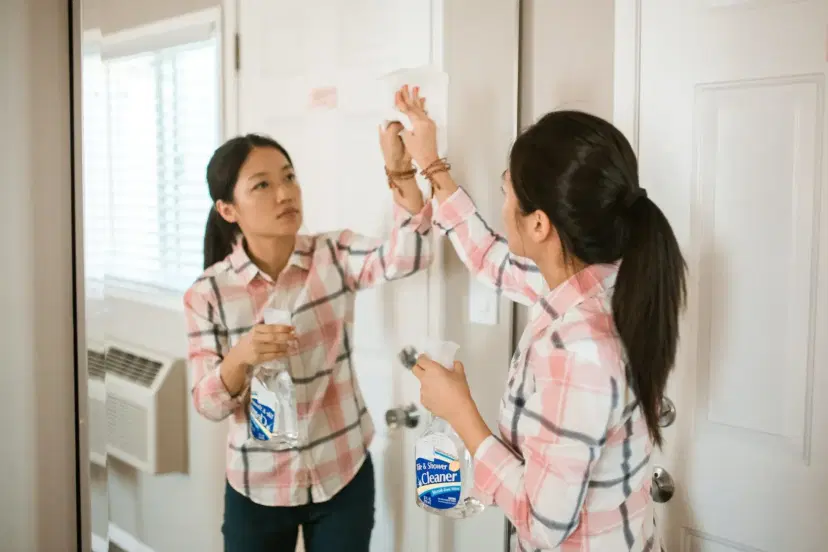
Dust regularly Another way to prevent dust from building up in your bedroom is to dust regularly with a damp cloth or a microfiber duster. You should dust all the surfaces in your bedroom at least once a week, including furniture, shelves, windowsills, lamps, picture frames, and electronics. You should also vacuum or sweep the floor after dusting to remove any loose dust particles. A good vacuum helps here, so see our guide to the best vacuum for home cleaning.
-
Keep windows and doors closed While it may be tempting to open your windows and doors to let some fresh air in, this can also let some dust in as well. If you live in an area that has high levels of outdoor pollution, pollen, or dirt, you may want to keep your windows and doors closed as much as possible and rely on your air purifier or air conditioner to ventilate your bedroom. If you do open your windows and doors, make sure to close them before dusk, as this is when the dust levels are highest.
Some habits cut dust, but a bedroom stays fresh longer with regular help
Ezi Home sends trained, vetted cleaners. They use eco-friendly products that are safe for kids and pets. Book a one-time deep clean or a regular visit, whichever fits your home. Learn more about our house cleaning service.
Book a house cleaning and get a quote in a few minutes.
How To
Frequently Asked Questions
Why does my bedroom get dustier than other rooms?
Bedrooms collect more skin cells and hair than other rooms since you shed the most while sleeping. Bedding, curtains, and rugs also shed fabric fibres, and books or papers add to the mix. Together these sources make bedrooms one of the dustiest rooms in a home.
How often should I dust my bedroom?
Dust all bedroom surfaces at least once a week, including furniture, shelves, windowsills, and lamps. Vacuum or sweep the floor right after dusting to clear any particles that settled.
Does an air purifier really cut down bedroom dust?
Yes. A HEPA air purifier captures 99.97% of particles as small as 0.3 microns, which includes dust, pollen, and pet dander. Running one in the bedroom also helps with odours and allergens.
How often should I wash my bedding to reduce dust?
Wash sheets, pillowcases, and covers at least once a week in hot water. This clears skin cells, hair, and dust mites before they build up in the fabric.
Should I keep bedroom windows open or closed to reduce dust?
Keep windows and doors closed if you live somewhere with high outdoor pollen, dirt, or pollution, and rely on an air purifier or air conditioner instead. If you do open them, close them before dusk, when outdoor dust levels tend to peak.
bedrooms
Written by
Home Cleaning · Maintenance
Co-founder of Ezi Services and Draftbase, entrepreneur and builder focused on SaaS, AI, and growth — I turn ideas into scalable businesses using technology, automation, and relentless execution.