Standard vs. deep vs. move-out clean: what's the difference?
By Samer Alsayegh · · Updated · 7 min read
Key Takeaways
- The real split is occupied vs. empty home, not just task length
- Standard clean covers dusting, vacuuming, mopping, and wiping visible surfaces
- Deep clean adds baseboards, blinds, vents, and light fixtures
- Move-out clean reaches oven, fridge, cabinet interiors only when the home is empty
- Deep cleans cost 1.5 to 2 times a standard clean of the same home
The real difference between these three tiers comes down to one thing: whether the home is occupied or empty. A standard clean and a deep clean both happen around your furniture and belongings, with the deep clean simply going further into detail work. A move-out clean happens in an empty home, which means cleaners can reach cabinet interiors, baseboards, and appliance interiors that furniture and daily life normally block. That distinction, not just a longer task list, is what actually separates the three.
The real difference: occupied vs. empty home
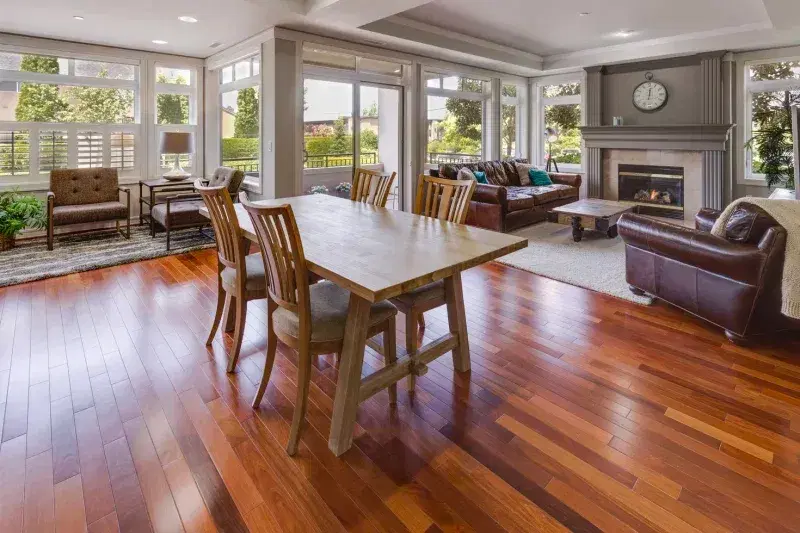
In an occupied home, whether it's getting a standard or deep clean, cleaners have to work around furniture, belongings, and daily life. That constraint limits how thoroughly certain areas can be addressed in a single visit, regardless of how much time is booked. A move-out clean removes that constraint entirely: the home is empty, so every surface, including the inside of cabinets and the baseboards behind where a couch used to sit, is fully reachable. This is the actual reason move-out cleans go deeper by default, not because they're priced to include more, but because an empty room physically allows more to be done.
What a standard clean covers
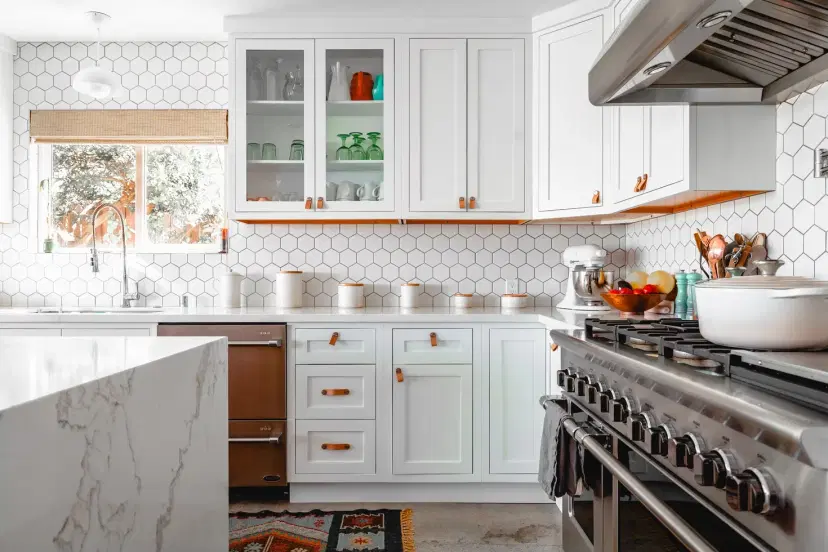
A standard clean is surface-level maintenance: dusting reachable surfaces, vacuuming and mopping floors, wiping down counters and tables, and cleaning bathroom and kitchen surfaces. It's built for a home that's already reasonably maintained and needs upkeep between deeper cleans, not a reset from a neglected or overdue state. If you are unsure who does the work, see what's the difference between a cleaner and a housekeeper.
What a deep clean adds
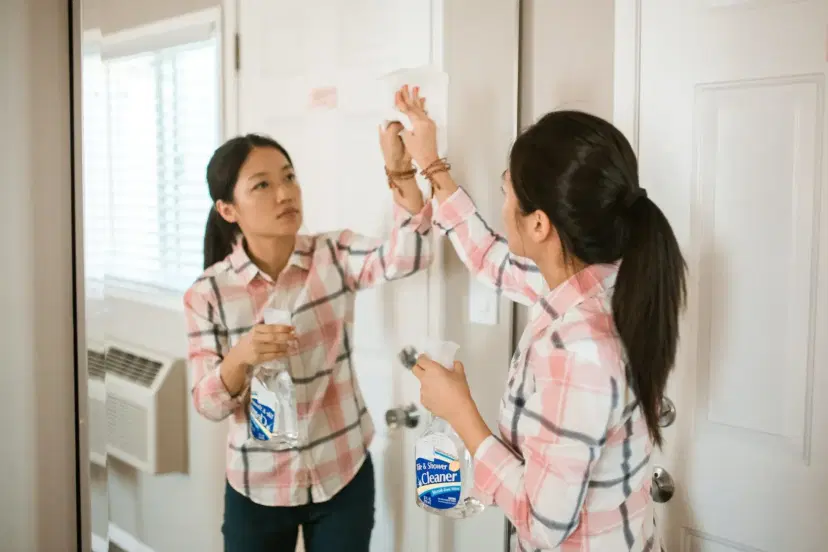
A deep clean includes everything in a standard clean, then adds the detail work a quick visit skips: baseboards, window blinds, vents and fans, door trim, light fixtures, and the exterior of appliances. It targets embedded dirt and grease that accumulates over months, not days, which is why it's typically booked quarterly or before a specific event rather than weekly. The key limitation still applies here: since the home is occupied, appliance interiors and areas blocked by furniture usually aren't included unless specifically requested and paid for as an add-on. Not sure a deep clean is even what you need? See our guide on how to prepare for a deep house cleaning for what to expect and how to get your home ready beforehand.
What a move-out clean adds beyond that
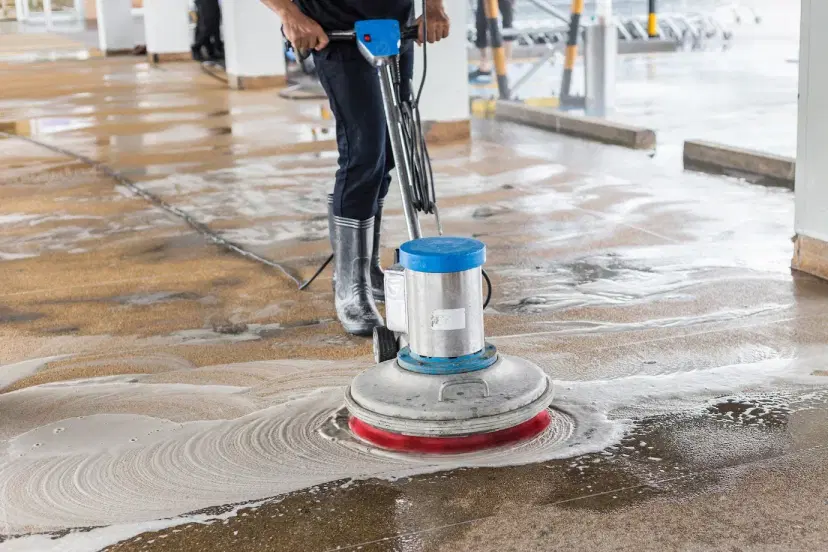
A move-out clean covers everything in a deep clean, then goes further specifically because the space is empty: inside the oven, fridge, and dishwasher, empty cabinets, closets, and drawers, and full window and sill cleaning. These are the exact areas landlords and new occupants check most closely, and they're only fully accessible once furniture and belongings are gone. For the full checklist and cleaning order that makes this efficient, see our guide on the room-by-room move-out cleaning order. A post-construction clean is a related but separate category entirely, built around fine construction dust rather than daily-living residue; see our breakdown of what's included in post-construction cleaning if that's closer to your situation. Wondering about the typical move out cleaning cost and whether it affects your deposit? See our Ontario guide.
Quick decision guide
Book a standard clean for routine upkeep of a home you already keep reasonably tidy. Book a deep clean when a lived-in home's baseboards, vents, and appliance exteriors need real attention, typically every few months or before hosting. Book a move-out clean specifically when the home is empty and needs to meet a landlord's or new occupant's standard, since that's the only tier built to take advantage of the space being fully clear. To see what a standard visit leaves out, read what is not included in a standard house cleaning service.
How pricing changes between tiers
A deep clean typically costs 1.5 to 2 times a standard clean of the same home, reflecting the added time for detail work. A move-out clean often lands in a similar range to a deep clean or somewhat higher, depending on how much inside-appliance and cabinet work the home actually needs. For specific Canadian pricing across all these tiers, including the typical deep house cleaning cost, see our full guide.
Methodology
The distinctions between cleaning tiers reflect widely published guidance from residential cleaning industry sources on the scope differences between standard, deep, and move-in/move-out cleaning, including the occupied-versus-empty-home constraint that determines what each tier practically covers.
Booking the right clean through Ezi
Ezi connects you with vetted service providers for standard, deep, and move-in/move-out cleaning, with upfront pricing for whichever tier actually matches your situation.
The bottom line
Standard, deep, and move-out cleans aren't just different amounts of the same task, they're shaped by whether the home is occupied or empty. Match the tier to your actual situation rather than defaulting to the most expensive option, and you'll get the coverage you need without paying for work a lived-in home can't fully accommodate anyway. Not sure which one fits? Book a cleaning service provider through Ezi and confirm the right scope before your appointment.
Frequently Asked Questions
What is the main difference between a standard clean and a deep clean?
A standard clean covers surface-level maintenance: dusting, vacuuming, mopping, and wiping visible surfaces. A deep clean covers all of that plus detailed work on baseboards, window blinds, vents, light fixtures, and the exterior of appliances, targeting embedded dirt a standard clean doesn't touch.
What does a move-out clean include that a deep clean doesn't?
A move-out clean adds inside-appliance cleaning (oven, fridge, dishwasher interiors), empty cabinets, closets, and drawers, and full window and sill cleaning, since the home is empty and every surface is reachable. A deep clean on an occupied home usually only covers appliance exteriors unless the interior is specifically requested.
Why does an empty home get cleaned differently than an occupied one?
In an occupied home, cleaners have to move around furniture and belongings to reach surfaces, which limits what's practical to cover in a standard visit. An empty home has every surface, including cabinet interiors and baseboards behind where furniture used to sit, fully accessible, which is why move-out cleans go deeper by default.
How much more does a deep clean or move-out clean cost than a standard clean?
A deep clean typically costs 1.5-2x a standard clean of the same home due to the added detail work, and a move-out clean often costs similarly to or more than a deep clean depending on how much inside-appliance and cabinet work is needed. Exact pricing depends on home size and condition.
How do I know which type of clean I actually need?
Book a standard clean for regular maintenance of a home you already keep reasonably tidy, a deep clean when a lived-in home needs its baseboards, vents, and appliance exteriors properly addressed, and a move-out clean specifically when the home is empty and needs to meet a landlord or new-occupant standard.
house cleaning
deep cleaning
move-out cleaning
cleaning types
Explore more
Written by
Home Cleaning · Maintenance
Co-founder of Ezi Services and Draftbase, entrepreneur and builder focused on SaaS, AI, and growth — I turn ideas into scalable businesses using technology, automation, and relentless execution.