Cleaning Equipment List: 12 Home Cleaning Essentials
By Samer Alsayegh · · Updated · 10 min read
Key Takeaways
- HEPA filters capture 99.97% of particles down to 0.3 microns
- NSF testing found coliform bacteria in 75% of kitchen sponges sampled
- Replace kitchen sponges every two weeks or microwave wet daily for two minutes
- Use a registered disinfectant, not just all-purpose cleaner, on high-touch spots
- Wear rubber gloves with disinfectants and goggles for overhead work
The right home cleaning equipment comes down to a short list: a HEPA-filter vacuum, soft dusting tools, a mop system, an all-purpose cleaner, and a registered disinfectant cover the vast majority of home cleaning tasks. HEPA filters alone capture 99.97% of particles down to 0.3 microns, which is the difference between actually removing dust and allergens and just stirring them back into the air.
Cleaning equipment isn't one-size-fits-all, either. What you need for a quick weekly tidy differs from what a proper deep clean requires, and the wrong tool for the job usually means more time spent, not less. Here's what actually earns a spot in your cleaning closet, and what doesn't.
The 12 essentials at a glance
| Item | What it's for | When to replace or refresh |
|---|---|---|
| HEPA vacuum with attachments | Carpets, hard floors, upholstery, vents | Filter on the maker's schedule |
| Microfibre cloths (10 to 12) | Dusting, wiping, glass | When they stop grabbing dust |
| Extendable soft duster | Ceiling fans, blinds, tops of cabinets | Wash the head monthly |
| Flat microfibre mop with washable pads | Sealed hard floors | Wash pads after every use |
| Bucket | Mop water, soaking brushes | Rarely |
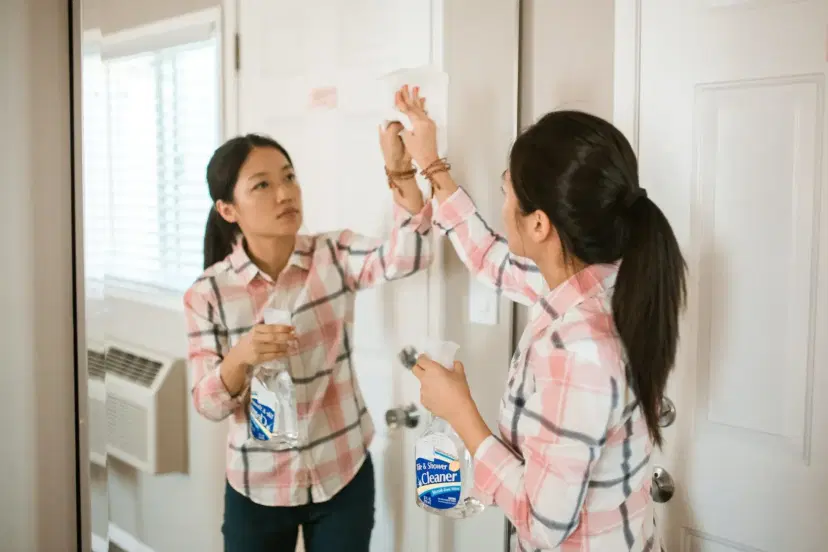
| Two or three spray bottles | All-purpose cleaner, glass cleaner, diluted concentrates | When the trigger fails |
| All-purpose cleaner | Counters, cabinets, appliance fronts | As needed |
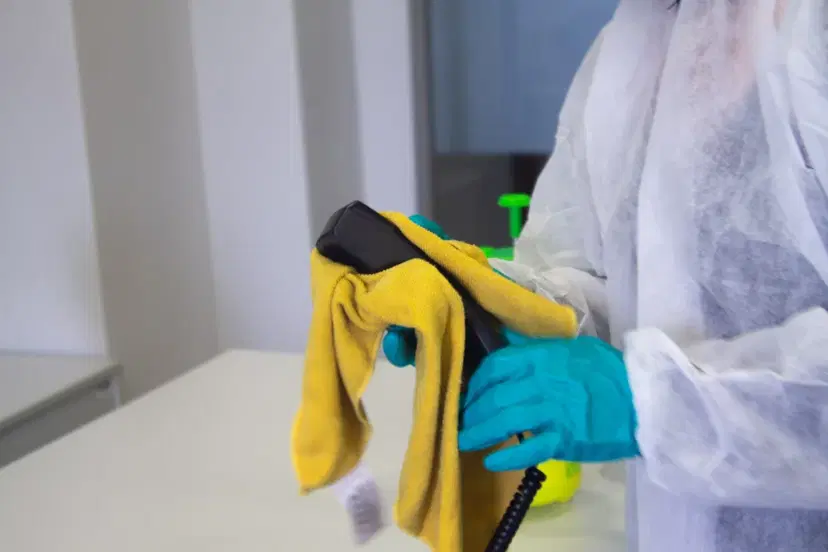
| Registered disinfectant | Sinks, toilets, handles, light switches | As needed |
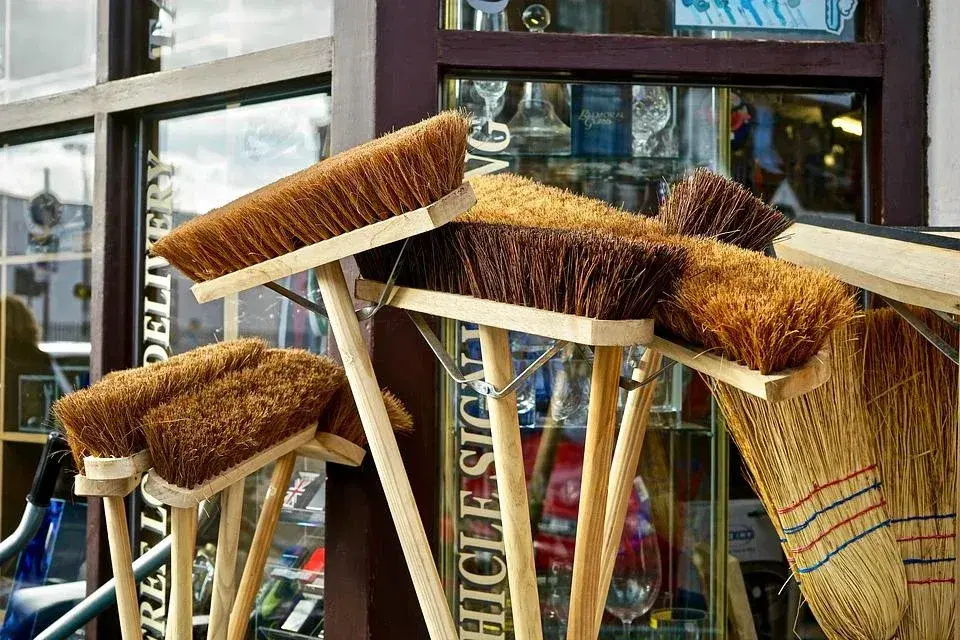
| Scrub brush and grout brush | Tubs, tile, grout, stovetops | When the bristles splay |
| Squeegee | Shower glass, mirrors, windows | When the blade nicks |
| Rubber gloves | Any chemical cleaner | When they tear |
| Cleaning caddy | Carrying it all room to room | Rarely |
A caddy sounds optional, but it's what makes the rest of the list fast. When every tool travels with you, you stop walking back to the closet mid-job.
What vacuum do you actually need?
Vacuums clean through suction power, and that power varies a lot between models. Low-suction machines pick up visible surface dust but leave the finer, more irritating particles embedded in carpet and upholstery. A vacuum with a certified HEPA filter and enough suction to reach into carpet fibres is the difference for anyone dealing with allergies or asthma at home.
If you're planning a deep cleaning, go with the higher-suction, multi-attachment model. For quick weekly upkeep, a lighter vacuum with a good HEPA filter is enough.
A few habits keep any vacuum working well:
- Empty it early. Suction drops as the bin or bag fills, so empty it before it's full, not after.
- Clean the brush roll. Hair wraps around it and stops it from agitating carpet. Snip it free with scissors every few weeks.
- Use the crevice tool on edges. Baseboards and the line where carpet meets wall hold more dust than the middle of the room.
In Ottawa, Toronto, Montreal, and Gatineau, winter adds a specific job. Road salt and sand get tracked in every day, and grit works like sandpaper on hardwood and wears down carpet. From November to April, vacuum the entryway more often than the rest of the house, and put a washable mat on both sides of the door so most of it never gets past the front hall.
What tools handle dusting and floors?
Soft-bristle dusters and microfibre cloths remove surface dust without scratching delicate items like light fixtures, blinds, or picture frames. This is the core of general home cleaning, since it's a lighter, more frequent pass rather than a deep scrub.
Microfibre only works if you care for it. Wash cloths without fabric softener, since softener coats the fibres and stops them from trapping dust. Air dry them or use low heat. Use one colour for bathrooms and another for the kitchen, so a cloth that touched a toilet never ends up on a counter.
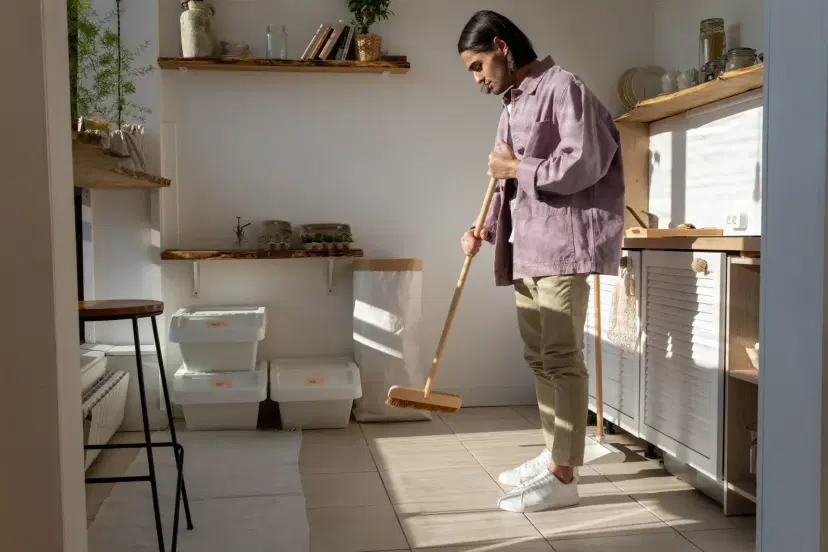
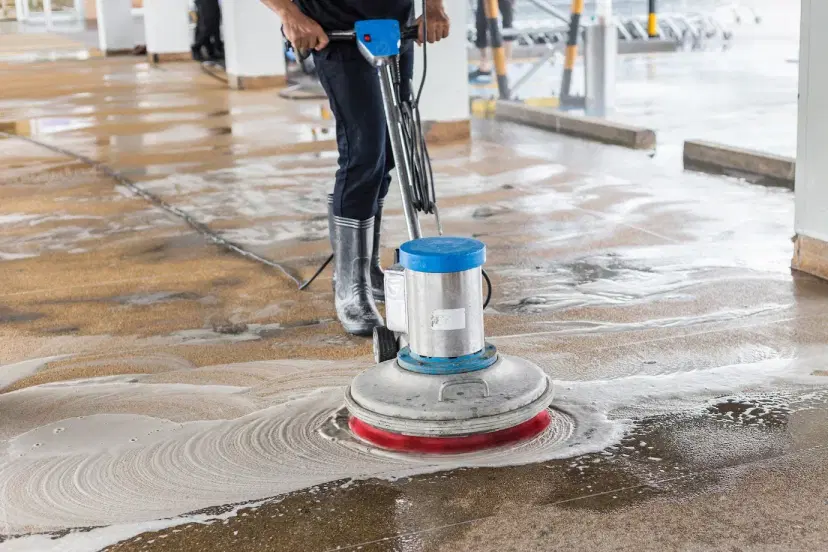
For floors, a microfibre mop paired with a spray bottle of all-purpose cleaner works for most sealed hard floors. Wring the pad well: too much water dulls finishes and seeps into seams. For heavy grime on sealed tile, a steam mop or a stiff brush and a bucket of hot water does the job. Keep pressure washers outside for decks and patios, since they force water into places indoor floors can't handle.
Winter salt leaves a white haze on floors near the door. Warm water with a small splash of white vinegar lifts it from sealed tile and vinyl. Skip the vinegar on marble or other natural stone, and check the maker's guidance before using it on hardwood.
What cleaning products actually belong in your cabinet?
An all-purpose cleaner handles counters, cabinets, appliances, sinks, and tubs without damaging most sealed surfaces. You can buy one or mix warm water with baking soda, vinegar, and lemon juice for a homemade version that works nearly as well on everyday grease. For a longer shopping list, see our guide to the cleaning products professional cleaners never leave home without.
All-purpose cleaners aren't disinfectants, though. High-touch, high-moisture spots like kitchen sinks and bathroom counters need a registered disinfectant spray to actually kill bacteria and viruses, not just lift visible dirt. In Canada, look for a Drug Identification Number (DIN) on the label, which means Health Canada has authorized the product as a disinfectant.
Read the contact time on the label too. A disinfectant only works if the surface stays wet for that long, so spray, wait, then wipe. Spraying and wiping straight away just cleans.
One item that deserves more scrutiny than it gets: the kitchen sponge. NSF testing found coliform bacteria, the family that includes E. coli and Salmonella, in 75% of kitchen sponges sampled across homes. Microwave a wet sponge for two minutes daily and replace it every two weeks, or switch to dishcloths you can run through your washing machine's sanitizing cycle.
What safety gear should you use?
Mixing the wrong products together can be dangerous, not just ineffective. Check which cleaning products you should never mix before combining anything under the sink.
- Rubber gloves: protect your skin any time you're using disinfectants, degreasers, or anything beyond plain soap and water.
- Safety goggles: essential for ceiling and overhead work where solution can drip down.
- Large garbage bags: keep one in the kitchen and bathroom while you clean so waste doesn't pile up mid-job.
Open a window or run the bathroom fan when you use strong products. In winter, when homes are sealed tight, fumes linger longer than they do in summer.
Five things you can skip
- Feather dusters: they move dust around more than they catch it. A microfibre cloth or duster traps it instead.
- A separate spray for every surface: an all-purpose cleaner, a glass cleaner, and a disinfectant cover almost every room. Specialty sprays mostly add clutter under the sink.
- Disposable wipes as your main tool: they're costly over time, and one wipe usually dries out before it can keep a whole counter wet long enough to disinfect.
- Steam mops for every floor: heat and moisture can swell laminate and unsealed wood. Use them only on sealed tile and floors the maker says can handle steam.
- Single-purpose gadgets: a good scrub brush and an old toothbrush handle the same jobs as most novelty scrubbers and specialty wands.
Methodology
HEPA filtration figures reference certified HEPA specifications (99.97% capture at 0.3 microns) and Asthma and Allergy Foundation of America asthma & allergy friendly certification testing. Kitchen sponge contamination data comes from NSF International's household germ study. Product recommendations reflect standard manufacturer use cases for all-purpose cleaners versus registered disinfectants.
When it's easier to book a professional
Owning the right equipment is a one-time investment, but running it well, especially high-suction vacuums and steam tools, takes time most people don't have on a weekend. Ezi connects you with vetted service providers who already carry professional-grade equipment, so you skip the gear entirely and just book a cleaning.
Conclusion
A HEPA vacuum, soft dusting tools, an all-purpose cleaner, and a real disinfectant cover almost every cleaning task your home throws at you. Buy once, replace the consumables (sponges, mop pads) on schedule, and the rest of your cleaning routine gets faster by default. If the equipment and the time aren't there, Ezi's cleaning services handle it with their own professional-grade equipment.
Frequently Asked Questions
What's the single most useful piece of home cleaning equipment?
A vacuum with a certified HEPA filter is the highest-impact purchase, since HEPA filters capture 99.97% of particles down to 0.3 microns instead of recirculating dust and allergens into the room. Look for the Asthma and Allergy Foundation of America's asthma & allergy friendly certification for third-party verification.
Do I need different tools for deep cleaning versus general cleaning?
Yes: general cleaning relies on dusters, an all-purpose cleaner, and a vacuum for surface-level upkeep, while deep cleaning adds a high-suction HEPA vacuum, grout brushes, and degreasers for baseboards, appliance interiors, and grime that's built up over weeks. Match the tool to the job or you'll spend more time than the task requires.
How often should I replace or clean my kitchen sponge?
Replace kitchen sponges every two weeks, since NSF testing found coliform bacteria, the family that includes E. coli and Salmonella, in 75% of sampled kitchen sponges. Microwaving a wet sponge for two minutes daily helps between replacements, but dishcloths that can go through a washing machine's sanitizing cycle are a safer long-term choice.
Is a homemade all-purpose cleaner as effective as a store-bought one?
A mix of warm water, baking soda, vinegar, and lemon juice handles most everyday grease and grime as well as commercial all-purpose cleaners for general surfaces. It won't disinfect, though, so use a registered disinfectant spray on high-touch, high-moisture areas like bathroom counters and kitchen sinks.
What safety equipment should I use when cleaning?
Wear rubber gloves any time you're using disinfectants or degreasers, and add safety goggles for ceiling or overhead work where solution can drip. This is a minimum, not optional, if you're mixing any cleaning chemicals rather than using them straight from the bottle.
What should be on a housekeeping supplies list?
Start with a HEPA vacuum, 10 to 12 microfibre cloths, an extendable duster, a flat mop with washable pads, a bucket, and two or three spray bottles. Add an all-purpose cleaner, a glass cleaner, a disinfectant with a DIN, a scrub brush, a grout brush, a squeegee, rubber gloves, and a caddy to carry it all.
What cleaning materials do you need for a basic clean?
For a basic weekly clean, you need fewer things than you'd think: microfibre cloths, an all-purpose cleaner, a disinfectant for the bathroom and kitchen sink, a vacuum, and a mop. Save degreasers, grout brushes, and specialty polishes for deep cleans.
What types of cleaning brushes do you need?
Most homes need four: a stiff scrub brush for tubs, tile, and stovetops, a narrow grout brush for tile lines, a toilet brush, and a dish brush. An old toothbrush handles faucet bases and tight corners. Replace any brush when the bristles splay, since bent bristles push dirt around instead of lifting it.
cleaning equipment
house cleaning tips
Written by
Home Cleaning · Maintenance
Co-founder of Ezi Services and Draftbase, entrepreneur and builder focused on SaaS, AI, and growth — I turn ideas into scalable businesses using technology, automation, and relentless execution.