What Is Car Detailing? A Complete Guide to the Process
By Sal Ram · · Updated · 9 min read
Key Takeaways
- Detailing follows wash, clay bar, polish, then wax or ceramic coating
- Ceramic coating lasts 2 to 5 years versus weeks to months for wax
- Canada uses roughly 5 million tonnes of road salt each winter
- CAA recommends washing the undercarriage every two weeks through winter
- Most vehicles need a full detail 2 to 4 times a year
Car detailing is a thorough, multi-step process that cleans, restores, and protects both the exterior and interior of a vehicle, well beyond what a standard car wash covers. Where a wash removes surface dirt with soap and water, detailing removes contaminants bonded into the clear coat, corrects paint imperfections, and applies a protective layer that can last years instead of weeks. If your car looks clean after a wash but still feels rough to the touch or shows swirl marks in sunlight, that's the gap detailing closes.
What is car detailing, exactly?
Detailing splits into two halves that are usually sold together: exterior detailing (decontaminating, polishing, and protecting the paint, wheels, and glass) and interior detailing (deep-cleaning upholstery, carpets, and every interior surface). Some packages also include engine bay cleaning. The goal isn't just visible cleanliness, it's restoring the surface itself: smooth paint, refreshed upholstery, and a protective layer that keeps both looking new for longer.
Exterior detailing: Wash, clay bar, polish, protect
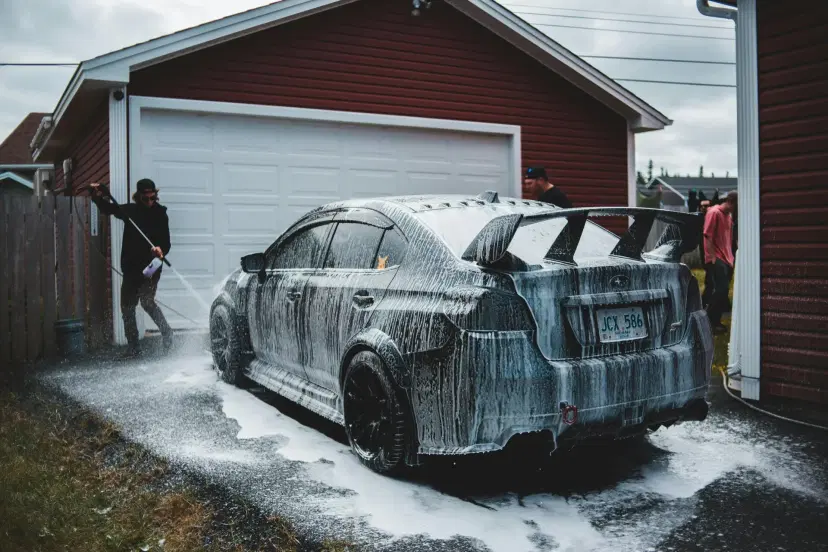
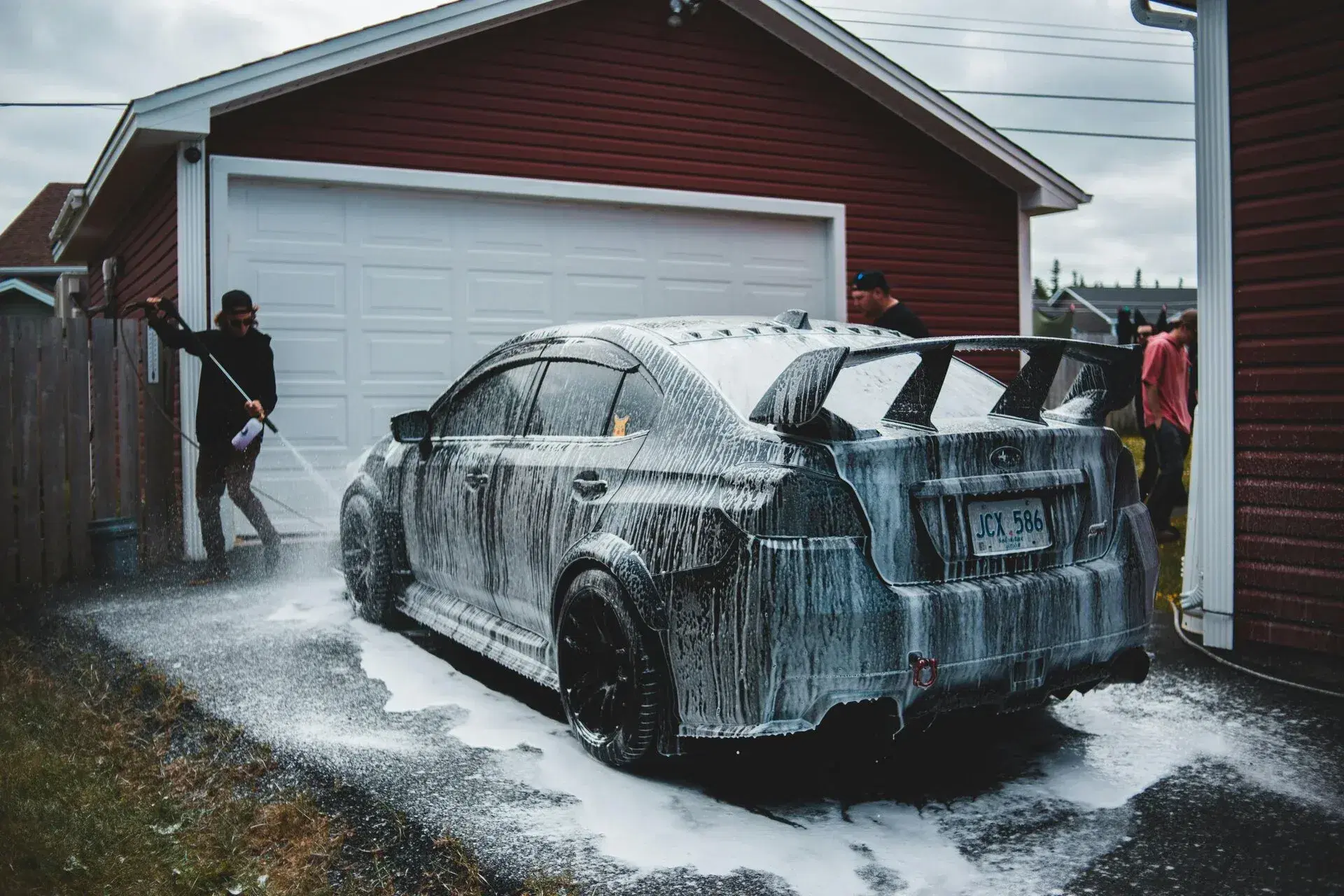
Exterior detailing follows a specific sequence, and skipping a step undermines the ones after it. It starts with a two-bucket wash to lift loose dirt without grinding it into the paint, followed by claying to pull out bonded contaminants, then polishing to correct swirls and light scratches, and finally a wax or ceramic coating to protect the corrected surface. Each stage prepares the paint for the next: washing without claying first leaves contaminants behind, and coating without polishing first locks existing scratches in permanently.
What does a clay bar actually do to your paint?
A clay bar removes contaminants that a wash physically can't reach. Brake dust, rail dust, industrial fallout, road tar, and tree sap become embedded in the microscopic pores of a car's clear coat over time, and only the grabbing action of a clay bar, dragged across a lubricated surface, pulls them back out, according to Chemical Guys' detailing guidance. You can feel the difference immediately: paint that felt slightly gritty before claying feels glass-smooth after. That smoothness matters for the next step, since polish and coatings bond best to a fully decontaminated surface.
Paint correction: Removing swirls and scratches
Paint correction is the most technical step in exterior detailing. It uses a polishing machine and abrasive compounds, ranging from light polishing to more aggressive cutting depending on how much swirl marks and fine scratches have dulled the finish, to level out the clear coat and restore reflectivity. This step has to happen before any wax or ceramic coating goes on: once a coating is applied, it locks in whatever scratches and swirls are already there, and removing them afterward means stripping the coating first.
Ceramic coating vs. wax: Which protection actually lasts?
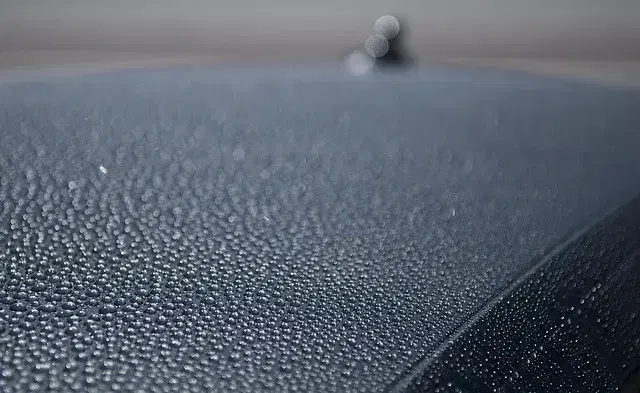
Ceramic coating is a liquid polymer that cures into a hard, glass-like layer bonded to the paint, repelling water, dirt, and UV damage while adding depth to the finish, per Ceramic Pro's product documentation. A professionally applied ceramic coating typically holds up for 2 to 5 years, compared to a traditional carnauba or synthetic wax layer, which wears off within a few weeks to a few months of washing and weather exposure. Wax costs less per application, but needs reapplying several times a year to match what one ceramic coating provides. A clean, decontaminated surface (the result of proper claying and correction) is required either way, since coatings won't bond properly over trapped contaminants.
Interior detailing: More than vacuuming
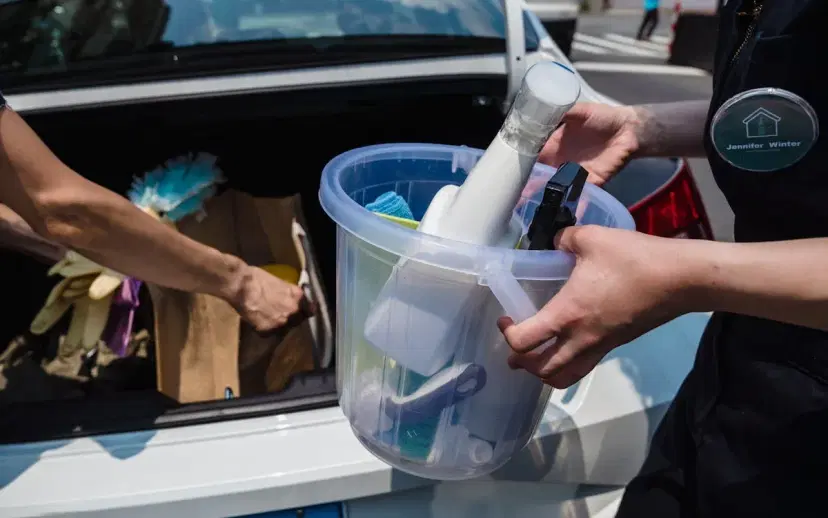
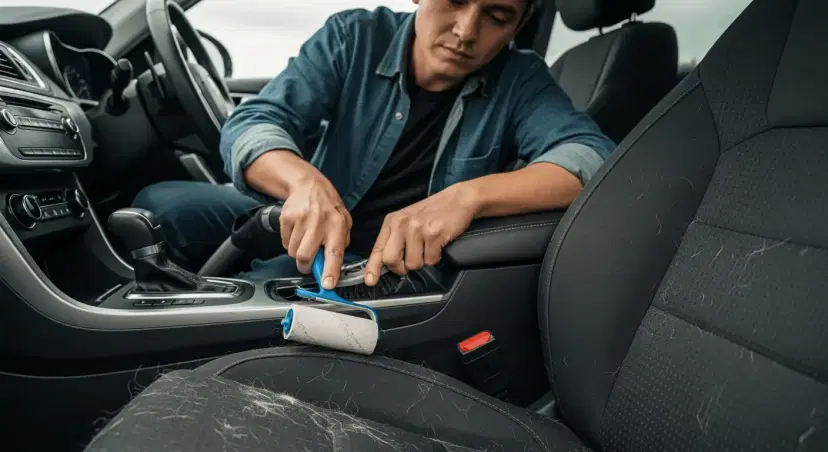
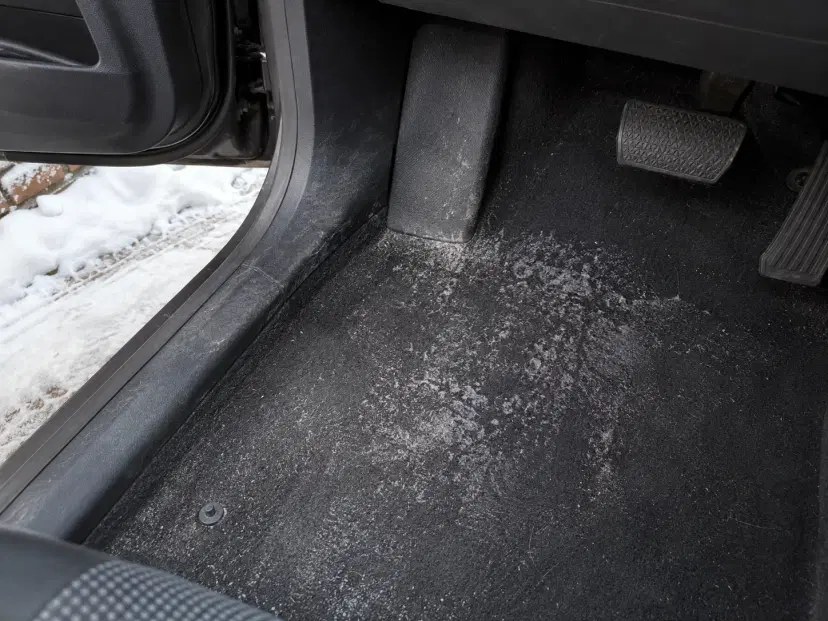
Interior detailing treats the cabin the way a deep clean treats a home: every surface, not just the visible ones. That means vacuuming carpets and seats, shampooing or steam-cleaning fabric upholstery, conditioning leather, cleaning air vents, and wiping down the dashboard, console, and door panels with products suited to each material. Winter is especially hard on interiors in Canada: salt-stained carpets and floor mats trap moisture and odour if they're not addressed quickly, which is why persistent white salt stains are worth treating as soon as they appear rather than waiting for a full detail. See our guide on removing winter salt stains from car carpet for a step-by-step method. In the GTA, Ezi's interior car detailing Toronto service handles salt-stained carpets and mats.
Why winter detailing matters more in Canada
Canadian winters put real chemical stress on a vehicle that detailing directly counters. Canada uses roughly 5 million tonnes of road salt every winter, and salt buildup on the undercarriage can begin corroding the oil pan, brake lines, transmission housing, and suspension components within weeks if it isn't washed off, according to CAA. CAA recommends washing a vehicle, including the undercarriage, every two weeks through winter and more often after heavy snowfall, plus annual rustproofing for cars regularly exposed to salted roads. A wax layer or ceramic coating on the exterior adds a second line of defence by making it harder for salty slush to stick to painted surfaces in the first place.
Car detailing vs. a regular car wash
A car wash, whether at home or at an automated tunnel, addresses loose surface dirt and nothing more. It won't remove bonded contaminants, correct existing scratches, or leave any lasting protection beyond the wash itself. Detailing is the difference between a car that looks clean in a driveway and one that's actually protected against the next few months of driving, weather, and road grime. Most owners use both: frequent washes to keep salt and dirt from accumulating, and periodic full details to reset the paint and interior.
How often should you get your car detailed?
Most vehicles hold up well with a full detail 2 to 4 times a year: once heading into winter to apply protection before road salt season, once after winter to correct any salt or grit damage, and one or two more depending on how the car is used and stored. Vehicles parked outside, driven daily, or exposed to heavy road salt need details on the more frequent end of that range. We cover the specifics in is monthly car detailing worth it, including when a monthly schedule makes sense and when it's overkill. If you're in the Kanata area, our guide on car detailing in Kanata covers what to expect from a local mobile provider.
Methodology
The technical steps described here (clay bar use, paint correction, and ceramic coating performance) are based on published detailing guidance from Chemical Guys and Ceramic Pro, both manufacturers of the products and equipment used in professional detailing. The winter corrosion and road salt figures come from CAA's published guidance for Canadian drivers, reflecting road salt usage rates specific to Canada rather than general international estimates.
Why book professional detailing through Ezi
Doing a full clay, correction, and coating job at home requires equipment most people don't own and several hours most people don't have free. Ezi connects you with vetted car detailing service providers for both interior and exterior packages, or a complete detail that covers both, with upfront pricing before anyone touches your car. For typical prices by package and vehicle size, see our car detailing cost breakdown.
The bottom line
Car detailing is an investment in the parts of your car a regular wash never touches: the bonded contaminants in the clear coat, the existing scratches dulling the finish, and the protective layer that determines how much grime sticks next time. In Canada specifically, that protection does double duty against road salt and winter corrosion. Whether you want a one-time correction or a seasonal routine, you can book a car detailing service provider through Ezi in a few taps.
Frequently Asked Questions
What is the difference between a car wash and car detailing?
A car wash removes surface dirt with soap and water, while detailing goes further with clay bar decontamination, paint polishing, wax or ceramic protection, and a deep interior clean. Detailing addresses bonded contaminants and imperfections a wash can't touch.
What does a clay bar actually do to your car's paint?
A clay bar pulls embedded contaminants like brake dust, tree sap, and industrial fallout out of the clear coat that washing alone can't remove. It leaves the paint smooth to the touch and ready for polishing or wax to bond properly.
How long does a ceramic coating last compared to wax?
A professionally applied ceramic coating typically lasts 2-5 years, while a traditional wax layer lasts a few weeks to a few months. Ceramic coating costs more upfront but requires far less reapplication over time.
How often should you get your car detailed in Canada?
Most vehicles benefit from a full detail 2-4 times a year, with an additional undercarriage wash every 2 weeks through winter. Vehicles exposed to road salt need more frequent washing to prevent corrosion of the undercarriage and brake lines.
Does winter road salt actually damage cars in Canada?
Yes. Canada uses about 5 million tonnes of road salt per year, and salt buildup on the undercarriage can corrode the oil pan, brake lines, and suspension components within weeks if it isn't washed off regularly, according to CAA.
auto care
ceramic coating
paint correction
winter car care
Written by
Lawncare · Car Detailing
Sal Ram brings an engineer's problem-solving mindset to lawn care and car detailing — the same diagnostic instincts from his engineering background now go into reading turf problems and chasing paint-perfect finishes. Hands-on, technical, and big on getting the details right.