How to Reduce Dust in an Apartment (Get Rid of Dust in a Room)
By Samer Alsayegh · · Updated · 9 min read
Key Takeaways
- Humans shed 30,000 to 40,000 skin cells an hour. Most of it ends up as dust.
- Dust weekly if you have allergies. Every one to two weeks works for most people.
- Use a MERV-8 to MERV-11 filter. Skip MERV-16 and up; it can strain apartment HVAC systems.
- Change HVAC filters every 60 to 90 days. Do it monthly if you have pets.
- Vacuum upholstered furniture every two weeks to keep dust from building up.
Dust in an apartment builds up fast. It can feel like a losing fight. A layer settles on your things almost as soon as you wipe it away. The good news: dust is easy to manage once you know where it comes from. This guide covers the main causes of apartment dust. It also covers the best ways to cut it down for good.
What causes dust in an apartment
Outdoor sources matter first. Pollen, dirt, and smog enter through open windows, doors, and vents. Poor airflow makes it worse. When air doesn't move, dust settles instead of clearing out, so levels climb. Everyday tasks add to the pile too, from pet hair to cooking to sweeping.
Apartments have a few sources houses don't:
- Shared hallways. The gap under your unit door pulls in hallway air, carpet fibres, and whatever neighbours track in.
- Shared ventilation. In many older buildings, you don't control the main system or its filters.
- Renovations nearby. Drywall dust from a unit being redone can travel through gaps and shafts for weeks.
- Busy streets. Units facing a main road in downtown Toronto, Montreal, or Ottawa get more traffic grime on sills and screens.
10 ways to keep an apartment dust-free
Cutting dust takes a steady routine, not a one-time deep clean. These ten habits make the biggest difference.
Run an air purifier
A good air purifier with a HEPA filter traps dust before it settles. Place it in the room you use most. Clean or swap the filter on the maker's schedule. Still fighting dust? A pro house cleaning service can take on the deep dusting for you. Bedroom dustier than the rest of your home? Our guide on why your bedroom keeps getting dusty has the fixes.
Upgrade your air filters
Your HVAC system moves every bit of dust in the apartment. Swap air filters every 1 to 3 months, and choose a pleated filter rated MERV 8 to 11 if your system supports it. It traps far more fine dust than a basic fibreglass filter, and it is one of the cheapest ways to improve indoor air quality.
Renting? Ask your property manager how often the filters in your unit's fan coil or air handler get changed. Many tenants don't know they have one. If it's your job, set a calendar reminder.
Wash bedding every week
Sheets, pillowcases, and mattresses are prime spots for dust mites and dead skin. The longer you wait between washes, the more they build up. That can worsen allergies. It can also make for an itchy night's sleep. Wash your bedding weekly, most of all if your floors stay dusty.
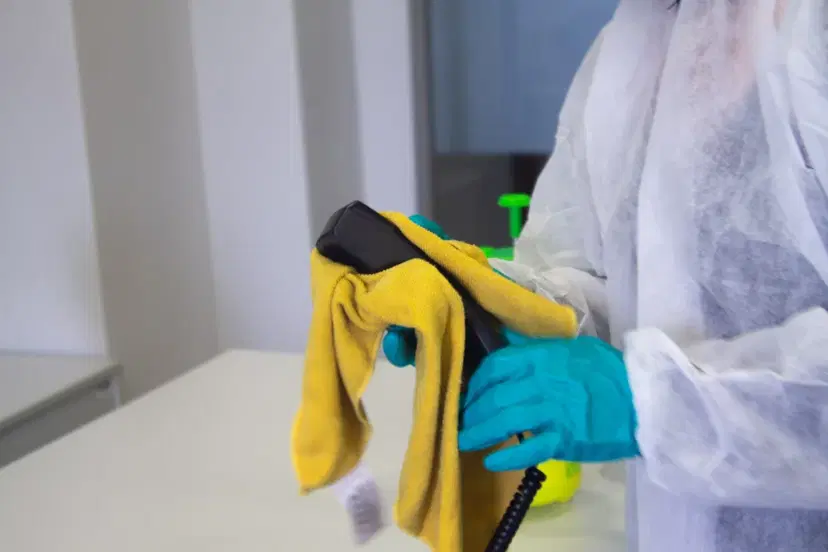
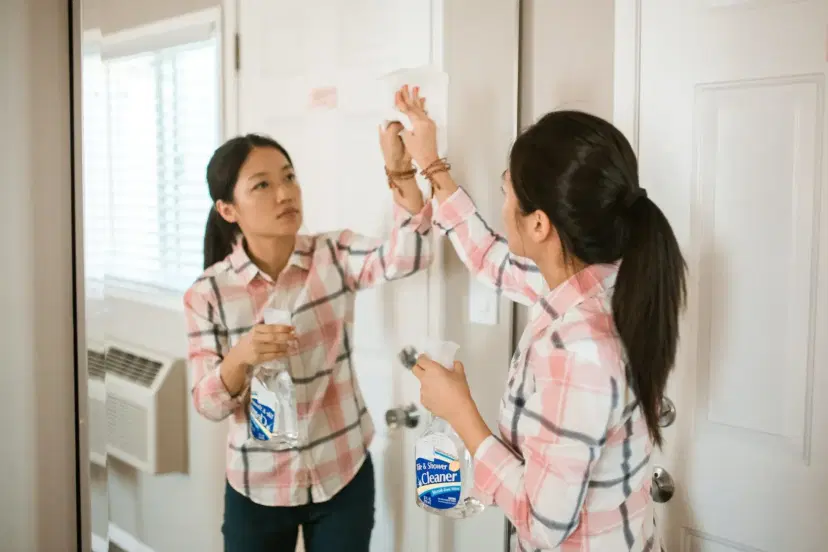
Dust with microfibre cloths
Microfibre cloths trap dust with static. A dry cotton rag just pushes dust around instead. Use one on blinds, chairs, lamps, and any flat top. A feather duster works well too, for shelves, lights, and books. Grab a duster with a long handle for high spots. It reaches ceiling fans and top shelves with no stool needed. Microfibre also cleans floors, counters, and glass and mirrors.
Vacuum with a HEPA filter
A vacuum cleaner without a sealed high efficiency particulate air (HEPA) filter blows fine dust back out the exhaust. Vacuum with a HEPA model twice a week, and go slowly so the brush has time to pull dust from carpet. If you have area rugs that shed or hold dust, remove the ones you don't need or wash them regularly.
Declutter your surfaces
The math here is simple. More stuff out means more spots for dust to land. Clear your counters, shelves, and side tables. Fewer things out means less dust to wipe.
Wipe down houseplant leaves
Plants gather dust just like your chairs and tables do. Wipe the leaves with a soft, damp cloth once a month. Spider plants and snake plants are two low-fuss picks.
Control pet dander
Pet hair and skin flakes add to house dust fast. Brush your pet outside once a day. That keeps loose fur and dander outdoors, not stuck indoors.
Seal cracks and gaps
Check windows, doors, and walls for small gaps. Dust sneaks in through these spots. Tape or caulk closes the gaps and keeps outdoor dust out. Renters can use peel-and-stick weatherstrip and a door sweep on the unit's entry door. Both come off cleanly when you move out.
Book a seasonal deep clean
Even a solid routine misses spots over time. A deep cleaning service clears built-up dust from tight spots. Book one a few times a year. Want a full room-by-room plan? See our A-Z guide to dusting your home effectively.
Keep humidity in the right range
Humidity changes how dust behaves. Air that's too damp feeds dust mites. Air that's too dry builds static, which makes dust cling to screens, plastic, and blinds. Health Canada recommends keeping indoor humidity between 30% and 50%.
A basic hygrometer shows where you are. In an Ottawa, Gatineau, or Montreal winter, radiator and baseboard heat often push apartments below that range, so a clean humidifier can help. In summer, the AC or a small dehumidifier brings it back down. Empty and clean any humidifier often. A dirty tank spreads more problems than it solves.
Apartment dust hot spots people miss
These spots hold dust for months because they're out of sight:
- Baseboard heaters and radiators. Dust burns on them and gives off a smell when the heat comes on in the fall. Vacuum the fins with a brush tool before heating season.
- Fridge grille and coils. Pop off the bottom grille and vacuum behind it.
- Range hood filter. Grease traps dust. Soak metal filters in hot, soapy water.
- Bathroom exhaust fan cover. Pull it down and wash it.
- Window tracks and sills. Vacuum with the crevice tool, then wipe.
- Tops of door frames, cabinets, and the fridge.
- Behind the TV and under the bed.
Dust in the right order
Clean from top to bottom and from dry to wet. Dust high spots first, then furniture, then floors last, so anything that falls gets picked up. Dry dust before you wipe with a damp cloth. Water on thick dust makes a muddy smear.
A simple weekly routine
| When | Task |
|---|---|
| Daily | Quick sweep or stick vacuum in the entry. Shoes off at the door |
| Weekly | Wash bedding. Dust flat surfaces. Vacuum floors and rugs twice |
| Every 2 weeks | Vacuum upholstery and curtains |
| Monthly | Ceiling fans, blinds, plant leaves, vents, baseboards |
| Seasonally | Filters, heaters, fridge coils, window tracks, deep clean |
Common mistakes
- Using furniture polish on every surface. It leaves a film that grabs new dust.
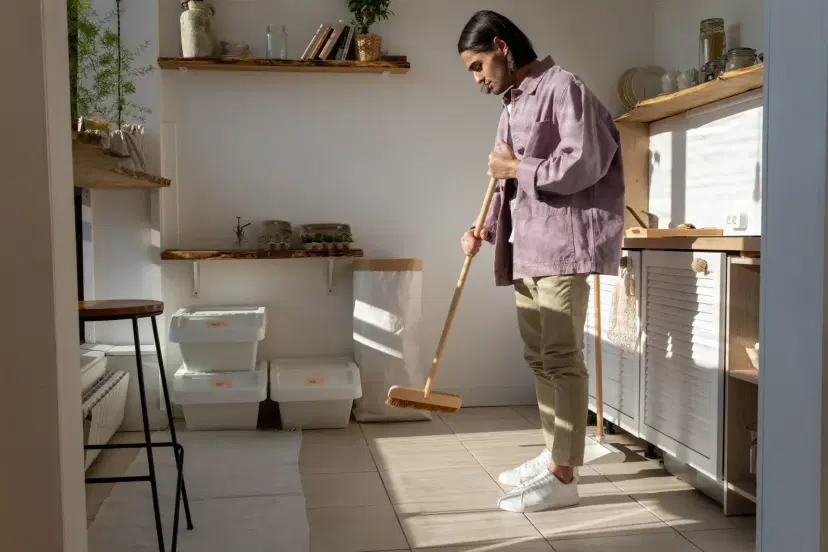
- Dry sweeping hard floors. A broom kicks fine dust into the air. Use a vacuum or damp microfibre mop.
- Shaking rugs indoors or on the balcony above a neighbour. Take them outside at ground level.
- Running a purifier with a full filter. It just moves air around.
- Leaving windows open on high-pollen or construction days. Air out the unit early in the morning or after rain instead.
The bottom line
A dusty apartment often comes down to airflow, habits, and a few missed spots. Fix the airflow where you can. Build a weekly dusting routine. Target the spots people tend to skip, like fans and blinds. Stick with it and you will see less dust and breathe easier. Ready for extra help? Book a cleaning and let the pros handle it.
How To
Frequently Asked Questions
Why does my apartment get so dusty so fast?
Apartments collect dust from skin cells and hair (humans shed 30,000-40,000 skin cells per hour), pet dander, fabric fibres from furniture and bedding, outdoor particles from windows and doors, and HVAC systems circulating particles. Older buildings with less-sealed windows and lower-efficiency filters tend to be dustier.
How often should I dust my apartment?
Dust at least once a week if you're dust-sensitive or have allergies; every 1-2 weeks works for most people. Dust blinds, ceiling fans, and the tops of appliances monthly, since these spots are often missed and become major dust reservoirs. Vacuum upholstered furniture every 2 weeks.
Does an air purifier help reduce dust?
Yes. A HEPA air purifier captures airborne dust before it settles on surfaces. Place it in the room you spend the most time in, and check the CADR (Clean Air Delivery Rate) is right for your room size. Run it continuously for the best results.
What HVAC filter should I use to reduce dust?
Use a MERV-8 to MERV-11 filter for a standard apartment, or MERV-13 if you have allergies. Avoid MERV-16 and above, since they restrict airflow and can strain apartment HVAC systems. Change filters every 60-90 days, or monthly if you have pets.
Is microfibre better than regular cloths for dusting?
Yes. Microfibre cloths electrostatically attract and trap dust rather than just moving it around, the way a cotton rag does. Use a dry microfibre cloth for most surfaces, and dampen it slightly for heavier buildup. Wash microfibre separately to keep its static properties intact.
apartment cleaning
Written by
Home Cleaning · Maintenance
Co-founder of Ezi Services and Draftbase, entrepreneur and builder focused on SaaS, AI, and growth — I turn ideas into scalable businesses using technology, automation, and relentless execution.