How to Wash Hockey Equipment: A Complete Cleaning Guide
By Samer Alsayegh · · Updated · 11 min read
Key Takeaways
- Wash gloves, pads, jerseys, and socks monthly on a cold, gentle cycle.
- Skip bleach and fabric softener. Both trap odour instead of removing it.
- Never wash skates or helmets. Wipe them down with a damp cloth instead.
- One study found regular cleaning cut bacteria by 94.7% in shared gear.
- Always air dry gear. Heat cracks leather and warps plastic shells.
If your gear reeks by the second period, you're not imagining it. Hockey equipment traps sweat and bacteria inside thick foam padding. That padding rarely gets a full wash. The fix is simple. Most of your gear can go straight into a washing machine. Use a cold, gentle cycle. Skip the dryer. Skip the bleach. Do a full wash once a month during the season. Your bag stops smelling like a locker room. Little and often beats one big scrub, same as it does with a home.
Bacteria are the real problem, not just the smell. Sweat alone doesn't stink. Bacteria feeding on sweat inside warm, damp padding make the odour. Shared gear is a known host for it. One published study of gym equipment found staph germs on nearly 74% of the surfaces tested. Sweat and shared contact are the main reasons why. Hockey gear checks every box: sweat, warmth, and padding that rarely sees daylight.
That matters beyond odour. Skin infections from bacteria like Staph can start with a small scrape under a shin guard or glove. Regular washing catches this early. That's far easier than treating an infection later.
What you need before you start
Gather a few basics first. Grab a large mesh laundry bag. Pick a mild sports detergent free of bleach and fabric softener. Set up a boot or mitten drying rack. Keep a spray-on gear disinfectant on hand for the days between full washes.
Skip fabric softener entirely. It coats foam and fabric in a film. That film traps odour instead of releasing it.
Check your equipment tags first. Some pads have rigid plastic inserts. Those shouldn't tumble in a machine. When in doubt, hand wash instead of guessing.
What detergent and products actually work
Not every detergent is built for gear. Regular laundry soap is fine for jerseys and socks. Pads and gloves need something gentler. Foam and clarino, the synthetic palm material on most gloves, break down faster than cotton under harsh chemicals.
Look for a sports-specific or enzyme-based detergent. These break down sweat and skin residue better than a standard soap. Skip anything with bleach. It weakens foam over repeated washes. Ezi's guide to eco-friendly cleaning products covers gentler, safer detergent picks in more depth. It's a good read if you want to cut harsh chemicals from your whole laundry routine, not just gear.
Between full washes, a spray disinfectant does most of the daily work. Apply it after every practice or game. Focus on gloves, pads, and the inside of the bag. Let it sit for the time the label recommends before you repack anything. That single habit often decides whether gear needs a wash every two weeks or holds up fine on a monthly schedule.
How to wash hockey gloves the right way
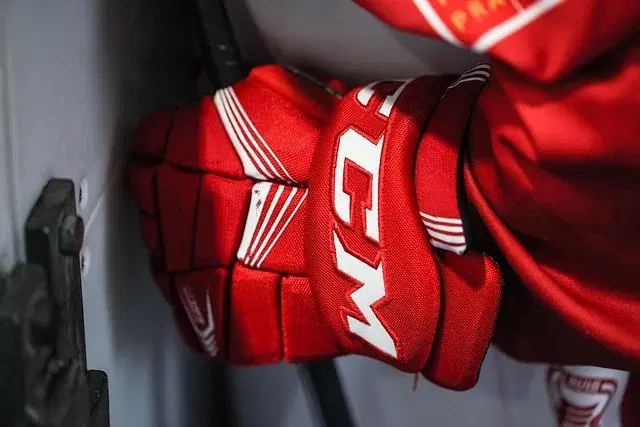
Start by turning your gloves inside out. This exposes the sweat-soaked liner, where most bacteria live. Pull out any removable liners. Wash them separately alongside the gloves.
Place the gloves in a mesh laundry bag. Run a cold, gentle cycle with a small amount of mild detergent. Never put gloves in the dryer. Heat breaks down the leather palms. It can shrink the fit permanently.
After washing, reshape the gloves by hand. Set them palm-up on a drying rack, ideally near a fan or vent. Flex the palms every few hours as they dry. This single step stops the leather from stiffening into a claw shape that never opens right again.
Washing pads, jerseys, and socks
Most soft equipment handles the same wash cycle as your gloves. That includes shoulder pads, shin guards without rigid shells, jocks, jerseys, and socks. Load them into a mesh bag or pillowcase. This keeps straps and buckles from snagging the drum. Run the cycle with the same mild detergent, cold water, gentle setting.
Shin guards or elbow pads built around a hard plastic shell need a different approach. Hand-wash those instead. Fill a sink or tub with lukewarm water and a small amount of detergent. Scrub the padding with a soft brush. Rinse thoroughly. Hot water and machine agitation can warp the plastic shell over time.
Your equipment bag needs the same attention as what's inside it. Turn it inside out. Hose it down. Hang it to dry with the opening facing downward, so water drains out instead of pooling in the seams.
Cleaning skates, helmets, and gear that can't go in the wash
Skates and helmets never go in a washing machine or dryer. Wipe skate boots down with a damp cloth after every use. Remove the insoles and let them air dry separately. Wipe helmets and cages inside and out with a disinfectant spray. Let them dry fully before they go back in the bag.
A facemask or cage traps as much sweat as a glove liner. Give it the same disinfectant treatment every time you clean the rest of your gear.
How often should you wash hockey equipment
Wash your full set of gear at least once a month during the season. Disinfect it with a spray between full washes. That advice matches Canadian Tire's hockey gear care guide. It's one of the few Canadian retailers with a published wash schedule for gear.
There's stronger proof behind that advice than most players realize. A study in The Orthopaedic Journal of Sports Medicine tracked germ levels in college and high school training rooms. Researchers tested surfaces before and after a new cleaning plan began. Before the plan, MRSA and another drug-resistant germ called VRE showed up on 24% of surfaces. Staff then added disinfectant, staff training, and a steady cleaning routine. Total germ levels dropped by 94.7%. MRSA and VRE were gone by the end of the study. No training-room infections were reported during that time.
That's the strongest case for a monthly wash schedule over an occasional deep clean. Steady habits, not one big scrub, killed the germs in that study. A rushed wash every few months does less than a mild one every month.
Methodology note: the schedule and method advice here comes from Canadian Tire's published care guide. It's backed by peer-reviewed research on germ levels in shared gear and training rooms, named above by study and publisher.
Common mistakes that make gear smell worse
A few habits quietly undo all that washing effort. Packing gear away while it's still damp is the biggest one. Bacteria need moisture to grow, and a sealed bag holds moisture in for days. Using fabric softener is another. It leaves a coating that traps odour-causing residue instead of rinsing it away.
Washing gloves and pads on a hot cycle is a third mistake. Heat feels like it should kill more bacteria. But it also breaks down foam and leather much faster than cold water does. Leaving the bag itself unwashed is the fourth. Clean gear picks the smell right back up within a week if the bag never gets wiped down.
Drying your gear the right way
Heat is the enemy of hockey equipment. Dryers, heaters, and direct sun all break down foam padding. They warp plastic shells and dry out leather until it cracks. Air drying in a well-ventilated space is the only safe option for anything other than jerseys and socks.
Set pads and gloves on a rack rather than a pile on the floor. Airflow around every piece matters more than warmth. A box fan pointed at your rack speeds up drying with no heat risk. Never pack gear away while it's even slightly damp. That's exactly the moist environment bacteria need to keep growing between games.
Keeping the bag and storage area clean between washes
A clean set of gear stored in a dirty bag won't stay clean for long. Wipe down the bag's interior with disinfectant spray every time you wash the gear inside it. Let the empty bag air out before you repack it. Blood, grass, or turf residue can set into the bag's lining too. Ezi's carpet stain removal guide shares removal steps for that. The same tricks work on a bag's fabric and a living room carpet.
Where you store the bag matters too. A damp garage or car trunk collects grime fast after a rink run. Winter road salt leaves the same kind of residue behind. Ezi's guide on removing winter salt stains from car carpet covers that cleanup problem too. It's a good read if gear rides in your back seat all season.
Gear often dries in a mudroom or laundry area near the rest of the house. Keep that space on a regular cleaning rotation too. Ezi's room-by-room home cleaning guide is a good reference for that habit. It turns gear care into a normal weekly routine, not a scramble before a tournament.
How to tell when gear needs replacing, not just washing
Washing extends the life of gear. It doesn't reverse damage that's already there. Press a thumb into the foam padding. If it stays compressed instead of springing back, the cushioning is gone. That's a safety issue, not just a comfort one. Gloves with palms that crack or peel after drying have likely reached the end of their life. Washing can't restore leather that's already broken down.
Here's a simple test. Wash and fully dry the gear. If the padding still won't bounce back, or the glove still won't flex, the gear is done, not just dirty.
When a deeper clean is worth outsourcing
Most gear care is a DIY job. But a musty basement or garage storage area is sometimes worth handing off, especially before a new season starts. Ezi's deep cleaning service covers what's included in a professional deep clean. It runs from baseboards to storage shelving, for spaces that need more than a quick wipe-down.
Booking a cleaning with Ezi gets a vetted provider on your calendar in a few taps. That beats scheduling it yourself. A regular house cleaning service can also keep the mudroom clear of gear grime.
The bottom line
Washing hockey equipment isn't complicated once you know what can go in a machine and what can't. Gloves, pads, jerseys, and socks handle a cold, gentle cycle with mild detergent. Skates, helmets, and hard-shelled pads need a hand wipe-down instead. Do the full wash monthly. Disinfect between washes. Always dry gear fully before it goes back in the bag. That routine is what separates a bag that smells fine from one that doesn't. Real research on shared athletic gear backs it up.
How To
Frequently Asked Questions
Is monthly washing enough for hockey gear?
Yes, wash the full set at least once a month during the season. Canadian Tire's hockey gear care guide backs this schedule. Spray gloves and pads with a disinfectant between full washes.
Can hockey gloves go in the washing machine?
Yes, most hockey gloves can go in the washing machine on a cold, gentle cycle. Turn them inside out first and remove any liners. Never put gloves in the dryer. Heat breaks down the leather palms and shrinks the fit.
Can you put shin guards in the washing machine?
Shin guards with a hard plastic shell should be hand-washed, not machine-washed. Hot water and machine agitation can warp the shell over time. Shin guards without a rigid shell can skip the sink. They handle the same cold, gentle cycle as gloves and pads.
What is the best detergent for hockey equipment?
A mild sports detergent works best for hockey gear. Skip bleach and fabric softener. Both weaken the foam and trap smell instead of washing it out. Plain laundry soap is fine for jerseys and socks.
How do you get the smell out of a hockey bag?
Wipe down the bag's interior with a spray disinfectant. Do this every time you wash the gear inside it. Let the empty bag air out fully before repacking. A steady monthly wash schedule beats one deep clean a season. One study found regular cleaning cut bacteria by 94.7%.
Can hockey skates and helmets be washed?
No, skates and helmets should never go in a washing machine or dryer. Wipe skate boots with a damp cloth after every use. Pull out the insoles and let them dry on their own. Spray helmets and cages clean, then let them dry fully before storing.
hockey equipment
cleaning tips
odor removal
sports gear
home maintenance
Explore more
Written by
Home Cleaning · Maintenance
Co-founder of Ezi Services and Draftbase, entrepreneur and builder focused on SaaS, AI, and growth — I turn ideas into scalable businesses using technology, automation, and relentless execution.