Home vs. commercial cleaning: why one company can't do both
By Samer Alsayegh · · Updated · 9 min read

Instant Quote
What's your postal or ZIP code?Same-day availability in most areas
Key Takeaways
- The global cleaning services market is projected at about US$482 billion in 2026.
- Residential cleaning margins run 12% to 28% versus 10% to 22% commercial.
- The ISSA Clean Standard sets measurable ranges of clean for commercial facilities.
- APPA Level 2 ("ordinary tidiness") is the usual target for occupied buildings.
- Commercial cleaning usually happens under contract, outside business hours.
Residential cleaning covers homes on a recurring schedule the homeowner sets; commercial cleaning covers offices, retail, and other facilities under contract, usually against a formal appearance standard. Both aim for a clean, healthy space, but the equipment, timing, and rules behind the work are genuinely different. Fortune Business Insights projects the global cleaning services market at about US$482 billion in 2026, growing about 7.5% a year through 2034, and residential and commercial make up two distinct segments of it.
If you're deciding which type of service fits your situation, here's what actually separates them.
Residential vs. commercial cleaning at a glance
| Residential | Commercial | |
|---|---|---|
| Typical spaces | Houses, condos, apartments | Offices, stores, restaurants, clinics, warehouses |
| Schedule | Weekly, biweekly, monthly, or one-time, during the day | Daily or several times a week, often evenings or overnight |
| Agreement | A booking or simple service agreement | A written contract with a scope of work |
| Standard | The homeowner's expectations and a checklist | A formal benchmark such as the ISSA Clean Standard |
| Equipment | Portable kit: vacuum, mop, cloths, household-grade products | Ride-on or walk-behind floor machines, backpack vacuums, bulk chemical dispensing |
| Crew | One or two cleaners, often the same person each visit | Larger teams, sometimes with a supervisor on site |
What is residential cleaning?
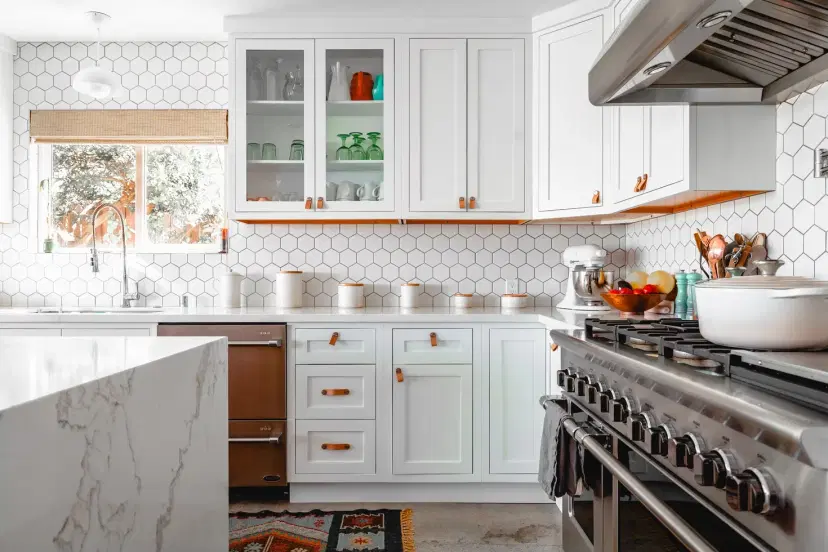
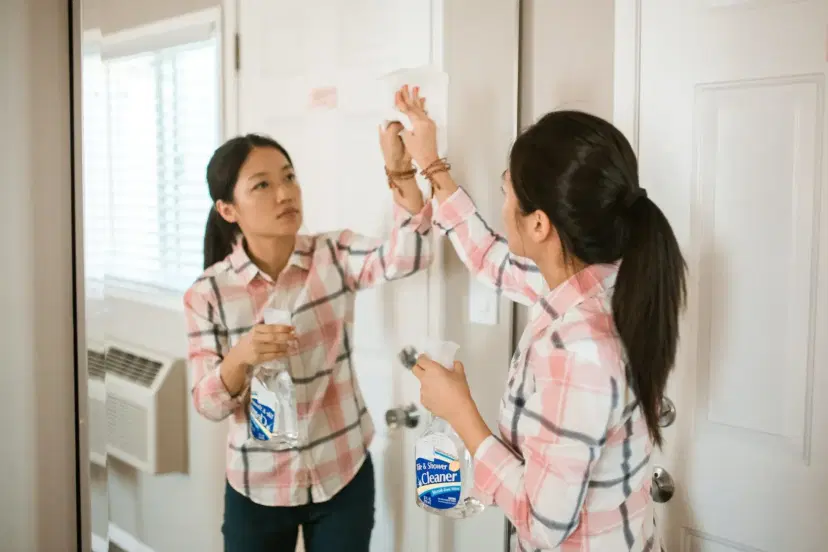
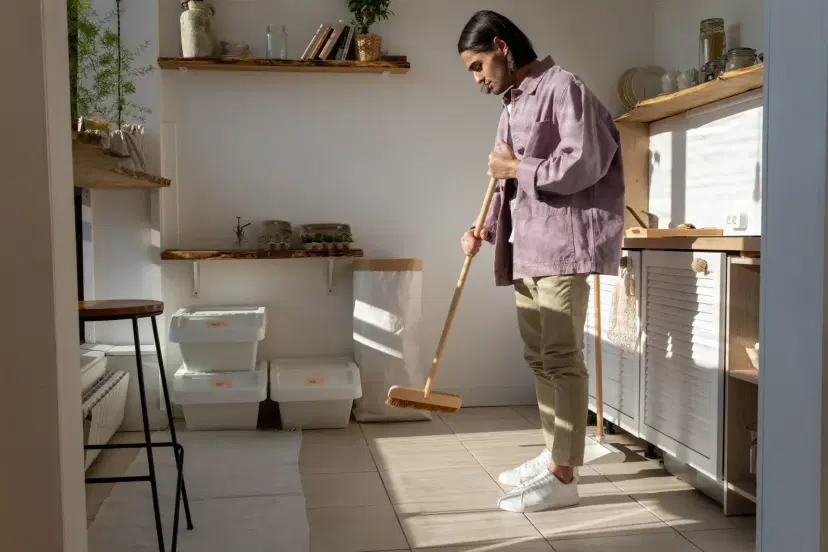
Residential cleaning covers homes and other domestic dwellings. Providers typically handle basic cleaning tasks like vacuuming, dusting, mopping, and sanitizing, plus add-ons such as window washing, carpet cleaning, and post-construction cleaning.
Residential providers usually work on a recurring cadence (weekly, biweekly, or monthly) and often clean while homeowners are out. Hiring one means:
- More free time and less stress from a recurring chore.
- A service you can customize to your preferences, budget, and schedule.
- A long-term relationship with a provider who learns your home's specifics over time.
The trade-off: you're granting access to your home, so vetting and clear communication about expectations matter more here than in a commercial contract.
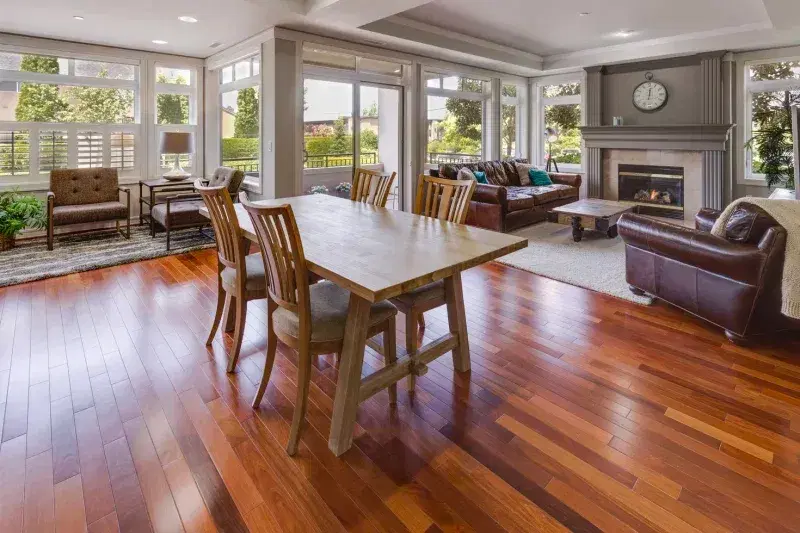
Home cleaning also deals with things an office rarely has: pets, kids' rooms, delicate surfaces like marble or hardwood, and personal belongings that need to be cleaned around, not moved. A good residential cleaner asks about these on the first visit and notes them for next time.
What is commercial cleaning?
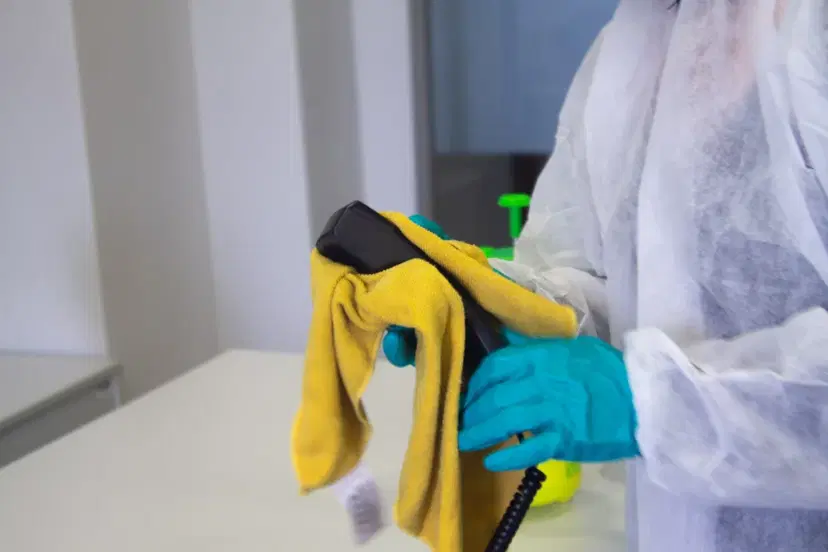
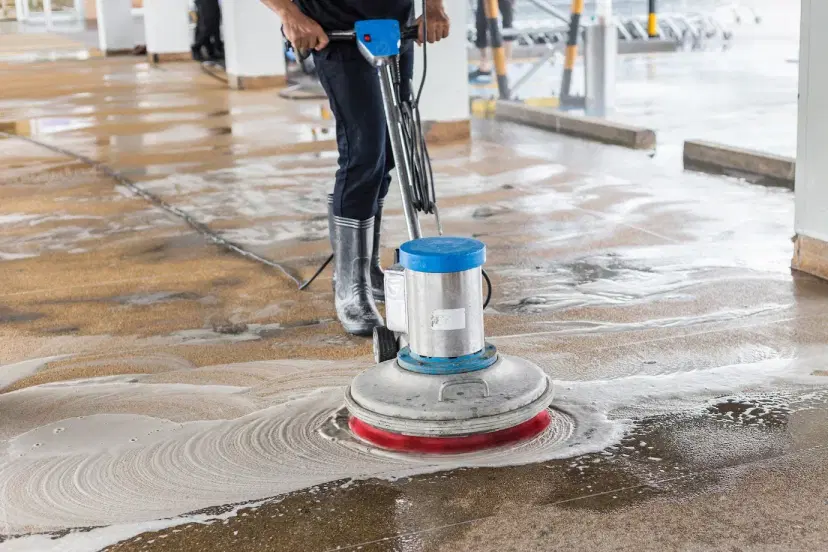
Commercial cleaning serves businesses and organizations: offices, retail stores, restaurants, hotels, warehouses, and medical facilities. Services often include floor waxing and polishing, window cleaning, deep cleaning of bathrooms and kitchens, sanitizing high-traffic areas, and day porter services, usually on a contract basis and outside business hours.
Commercial cleaning is also the more regulated side of the industry. The ISSA Clean Standard for Institutional and Commercial Facilities sets measurable "ranges of clean" using ATP testing and audit forms. Many contracts also use the five APPA appearance levels, where Level 2 ("ordinary tidiness") is the usual target for occupied buildings. That kind of formal benchmarking doesn't really exist on the residential side.
Hiring commercial cleaning means:
- A measurable standard your provider is contracted against, not just a general impression of "clean."
- A safer, more presentable space for employees and customers.
- No need to own or maintain commercial-grade equipment yourself.
Commercial work also comes with its own logistics. Crews often need building keys, alarm codes, and access cards, they work around tenants and security staff, and they may need to log what was done each night. In winter, commercial lobbies in Ottawa, Toronto, and Montreal take a beating from road salt and slush, so entrance matting and frequent floor scrubbing become part of the contract.
Why one company can't always do both
It comes down to how each business is built. A company set up for homes usually isn't set up for a large office building, and the reverse is true too.
- Staffing: residential crews work daytime hours in small teams. Commercial crews often work nights and need enough people to cover a whole building in one shift.
- Equipment: an auto scrubber for a warehouse floor won't fit through a condo hallway, and a household vacuum can't keep up with an office floor plate.
- Insurance and contracts: commercial clients often ask for higher liability limits, proof of workers' compensation coverage, and written contracts with termination terms. Many home-focused providers don't carry these.
- Training: medical offices, food service, and labs need specific procedures for disinfection and waste. A cleaner trained for homes may not know them.
Some companies do run both, usually as separate teams. If you're hiring one company for both your home and your small business, ask whether the same crew and the same insurance cover both.
How do the two compare on cost and margin?
Housecall Pro puts typical profit margins at 12% to 28% for residential cleaning and 10% to 22% for commercial cleaning, which reflects how differently the two are priced and staffed. Commercial contracts tend to scale with square footage and required appearance level, while residential pricing scales with home size, frequency, and add-on services like deep cleaning or move-out cleaning.
What about spaces in between?
Some spaces don't fit neatly into either category:
- Home offices: if clients don't visit, a residential cleaner is usually fine.
- Short-term rentals: these need fast turnovers between guests and a consistent checklist. Pick a residential provider that does turnover cleaning on a tight schedule.
- Condo common areas: lobbies, gyms, and hallways are usually handled by a commercial contractor hired by the condo corporation, while your own unit stays residential.
- Small clinics or salons in a converted house: treat these as commercial, since health and safety rules apply to the business, not the building type.
How do you choose between them?
The choice mostly comes down to what kind of space you're cleaning, not preference. A small or mid-sized home needing regular basic upkeep calls for residential cleaning, which offers a more personalized, recurring relationship. A larger commercial property that needs to meet a specific appearance standard for employees or customers, or one with health and safety compliance requirements, calls for a commercial provider.
Whichever you pick, borrow one habit from the commercial side: write down a scope of work. A short list of rooms, tasks, and how often each one happens makes it easy to check the work and avoids "I thought that was included."
Methodology
Market size figures come from Fortune Business Insights. Margin ranges come from Housecall Pro. Standards reference the published ISSA Clean Standard for Institutional and Commercial Facilities and the APPA appearance levels.
How Ezi can help
For homes, Ezi connects you with vetted service providers for general cleaning, deep cleaning, move-in/move-out, and more, all bookable and payable in a click. You can browse provider ratings, chat directly about your instructions, and pay only once the job's done.
Conclusion
Residential and commercial cleaning solve for different problems: one is a recurring service tailored to your home and schedule, the other a contracted service measured against a formal appearance standard. Match the service type to your space, not the other way around, and book Ezi when you're ready for a home cleaning in Ottawa.
Frequently Asked Questions
What's the main difference between residential and commercial cleaning?
Residential cleaning covers homes and follows a set schedule (weekly, biweekly, or monthly) built around the homeowner's routine, while commercial cleaning serves offices, retail, and other facilities under contract, often after business hours. The two also follow different standards: commercial contracts often reference formal benchmarks like the ISSA Clean Standard or the APPA appearance levels, which residential cleaning doesn't use.
Is commercial cleaning more expensive than residential cleaning?
Not necessarily per job, but the two price differently. Housecall Pro puts typical profit margins at 12% to 28% for residential cleaning and 10% to 22% for commercial cleaning, largely because commercial contracts are larger and more competitive and involve specialized equipment and compliance requirements. Compare quotes based on square footage and service scope rather than assuming one category costs more.
Can a residential cleaner do a commercial job?
Not reliably at the same standard, because commercial facilities like offices and medical spaces are often held to formal benchmarks like the ISSA Clean Standard for appearance, sanitation, and safety that residential-focused cleaners aren't trained or equipped for. Look for a provider that specifically lists commercial cleaning among its services rather than assuming crossover.
How often should a home versus an office be professionally cleaned?
Homes are typically cleaned weekly, biweekly, or monthly depending on household size and pets, while offices targeting APPA Level 2 ("ordinary tidiness"), the usual benchmark for occupied buildings, are usually cleaned daily or several times a week for high-traffic areas. Frequency in both cases should scale with foot traffic and the presence of food prep or medical activity.
residential
commercial
cleaning services
Written by
Home Cleaning · Maintenance
Co-founder of Ezi Services and Draftbase, entrepreneur and builder focused on SaaS, AI, and growth — I turn ideas into scalable businesses using technology, automation, and relentless execution.