Snow Removal in Montreal: City Rules, Towing, and What You Have to Clear
By Samer Alsayegh · · 13 min read
Key Takeaways
- Montreal plows at 2.5 cm of snow. It hauls snow away at 10 to 15 cm.
- You clear your entrance, parking spot, and the plow's snowbank.
- Keep snow on your lot. Most boroughs ban it on the street or sidewalk.
- Use the INFO-Neige MTL app and watch for orange signs to avoid a tow.
- Book a seasonal crew by early November, before the first big storm.
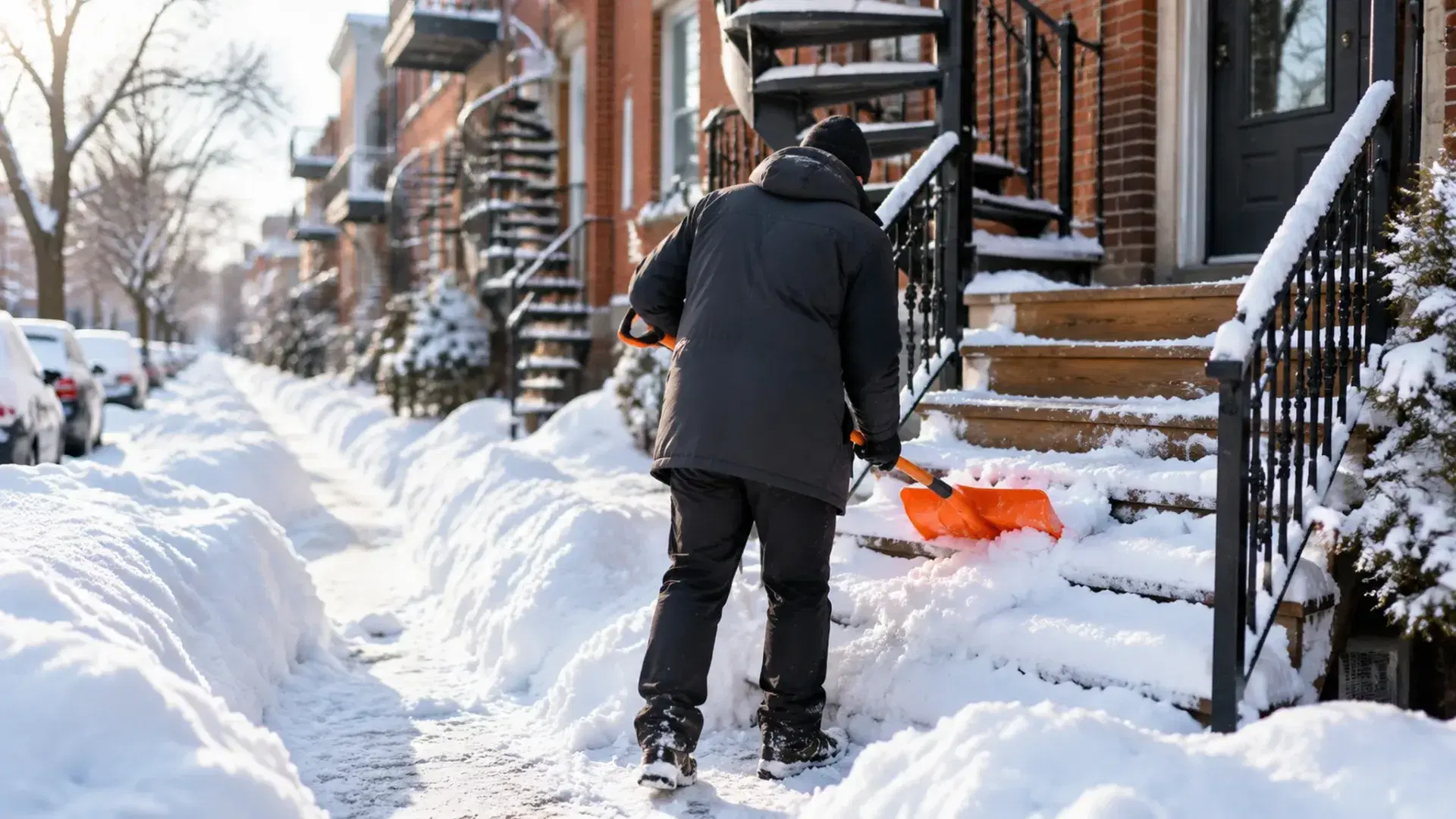
In Montreal, the city plows streets and sidewalks once 2.5 cm of snow is on the ground. It hauls the snow away once 10 to 15 cm builds up. But the city does not clear your property. Your front entrance, walkway, parking spot, and the snowbank the plow leaves at your driveway are your job. So are balconies and outdoor stairs, unless your lease says the landlord handles them. You can't push that snow onto the street or sidewalk, either.
Most Montreal homeowners and plex owners hire a private crew on a seasonal contract or pay per visit. This guide explains how the city clears snow and what you have to clear. It also covers how to avoid a tow, and what to check before you hire a crew. Ezi Home Services books snow removal in Montreal, and we've built this guide around the questions our customers ask most.
How Montreal clears snow
Montreal runs one of the biggest snow operations in the world. The city clears about 10,000 km of streets and sidewalks, which it says is about the distance from Montreal to Beijing. The city gets an average of 190 cm of snow a year. In 2025, Montreal spent $264 million on snow removal, its highest bill in 10 years and 43% more than the $184 million it spent in 2024, La Presse reported.
The work happens in three stages. Here's what triggers each one, according to the City of Montreal:
| Stage | When it starts | What happens |
|---|---|---|
| Spreading | As soon as roads and sidewalks get slippery | Crews spread salt and gravel |
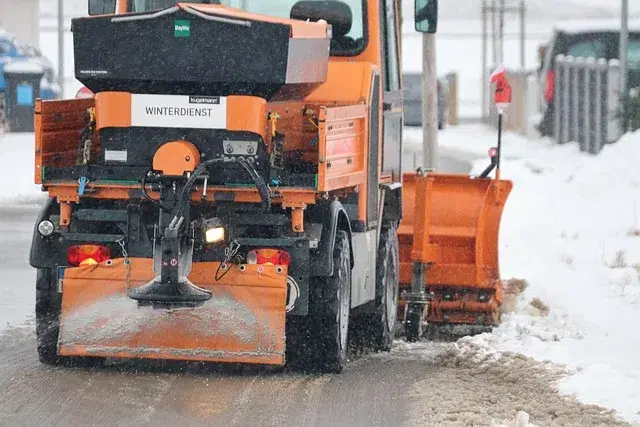
| Plowing | 2.5 cm of snow on the ground | Plows push snow to the side of the street |
| Loading | 10 to 15 cm of snow on the ground | Blowers load snow into trucks that haul it to snow dumps |
Streets are cleared in order of priority. Major roads go first, including routes to hospitals and schools and express bus routes. Collector streets come next. Local streets come last.
Loading is the big one. The city says it takes at least 4 days and 4 nights to haul away 15 cm of snow, and longer if more snow falls. A typical winter needs about 5 loading operations.
What you have to clear yourself
The city's job stops at the street and the public sidewalk. According to the city's page on snow removal on private property, owners must clear:
- The main entrance to the building.
- The entrance to the parking area.
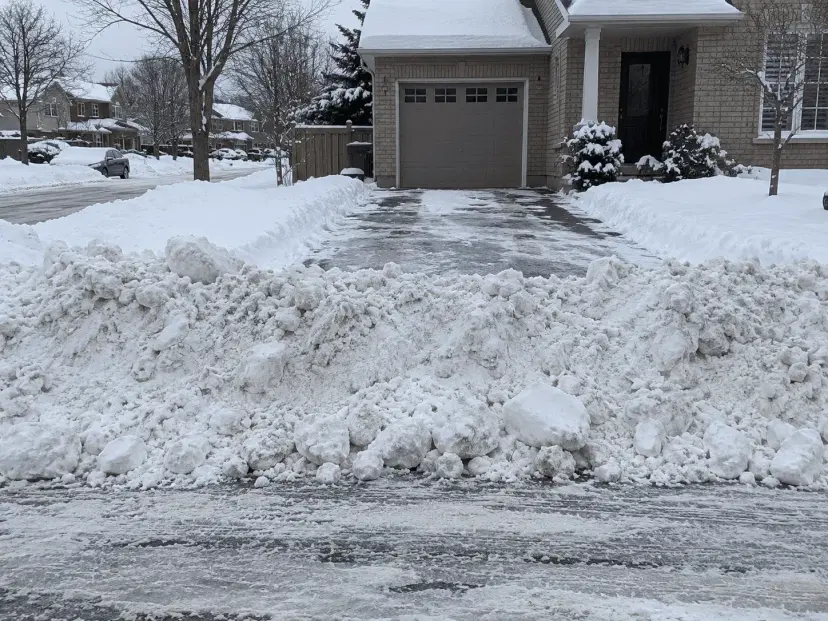
- The snowbank the city plow leaves in front of either one. Montrealers call it the "banc de neige."
That last one surprises many new homeowners. The plow fills the end of your driveway after you've already cleared it. That ridge of snow is packed and heavy, and clearing it falls to you.
Where the snow has to go
In most boroughs, you can't put snow on the sidewalk or in the street. You also can't pile it near a fire hydrant. The snow has to stay on your own property.
That's a real problem in the Plateau, Mile End, and Rosemont. Many homes there have a tiny front yard, or none at all. Some boroughs will let you put snow on public land in specific cases, but you may need a permit. Fines for dumping snow without permission vary by borough, so check yours on the city's website or call 311.
Private snow removal companies can also buy coupons to drop snow at the city's snow dumps. That's one reason a good crew can clear a lot with no space to spare.
How to avoid getting towed during a snow loading operation
Every Montreal driver learns this one fast. During loading, cars parked in the way get towed and ticketed. Here's how to stay ahead of it:
- Watch for orange signs. Crews post temporary no-parking signs on your street before loading starts. CBC News reports that the signs must be up by 9 p.m. the night before.
- Download the INFO-Neige MTL app. It shows the snow loading status of each street in real time. It can send you an alert when the status of the street where you're parked changes.
- Know the colours. On the app's map, red means no parking. Yellow means loading is coming. Green means the street is clear, and blue means it's still snowy.
- Use free parking. During loading, the city offers free spots in certain lots overnight. The app shows where they are.
- Leave space. The city asks drivers to park parallel to the sidewalk, about 30 cm from the curb, so plows can get through.
- Keep bins off the street. Leave garbage, recycling, and brown bins on your property on loading days.
On narrow streets, the city also posts no-parking signs on one side when 15 cm or more of snow is forecast. They apply from 7 p.m. to 9 a.m.
Who clears outdoor stairs and balconies?
Montreal's outdoor staircases are part of what makes the city look the way it does. They're also one of the hardest parts of a Montreal winter. Snow and ice build up on every step, and many plex buildings have two or three floors of them.
For tenants, the answer starts with the lease. The standard lease from the Tribunal administratif du logement has a section, Section E, that says who clears snow from balconies and stairs. It can also say who spreads salt or grit on ice. CORPIQ, Quebec's landlord group, points out a few key rules:
- A lease can't fully clear the landlord of blame. Article 1900 of the Civil Code of Quebec covers this. A clause that frees the landlord from all blame for injuries is void.
- The landlord must act with care, but can't promise zero risk. The law calls it an "obligation of means." The landlord has to be careful, not perfect.
- Tenants share the duty. Courts expect tenants to wear proper winter boots and take care on icy steps.
- The lease can make tenants clear their own stairs. In one case CORPIQ cites, the tenants had to clear their stairs. The lease said so.
If you're a tenant and your landlord isn't clearing what the lease says they should, put your request in writing. If nothing changes, you can send a formal notice and contact the Tribunal administratif du logement.
Tips for clearing outdoor stairs
- Clear stairs during a storm, not just after. Packed snow on a step turns into ice fast.
- Use a narrow shovel or a stiff broom on each step. Work from the top down.
- Use sand or grit on wood and metal stairs. Salt can corrode metal and wear down concrete over time.
- Check the railings. Ice on a handrail makes it useless when you need it most.
- Don't forget the balcony. Heavy, wet snow adds weight. Clear it from the doorway out.
Don't ignore the roof
Many Montreal plexes have flat roofs. They're built to carry a normal Quebec winter's worth of snow. But heavy snowfalls, freezing rain, and a thaw followed by a freeze can change that.
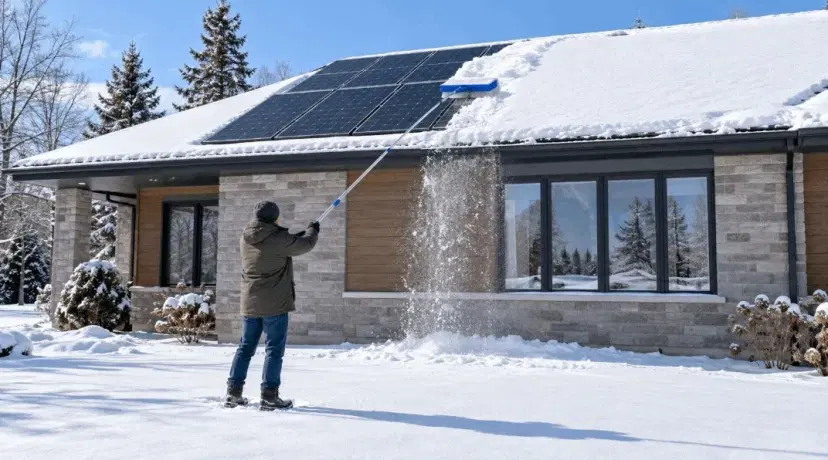
The Régie du bâtiment du Québec says to be very careful once snow on a roof passes 70 cm. It also says to clear the roof when snow blocks roof or plumbing vents, or when rain is forecast on top of a thick snow layer.
Watch for these warning signs that a roof is overloaded:
- Cracking noises.
- Warped ceilings.
- New cracks in the walls.
- Inside doors that suddenly stick or rub.
If you see any of these, get people out of the area under the roof and call a pro. The RBQ advises hiring a company with the right gear and experience. Roof snow removal is not a DIY job.
The underused angle: Montreal's snow season has a calendar
Most snow removal guides talk about storms. In Montreal, a lot of the work happens before the first snowfall, because several city rules start on set dates. Plan around them and you'll avoid the fall rush.
| Date | What happens |
|---|---|
| October 1 | Permits for private snow removal crews take effect in boroughs that need them, valid until May 1 |
| October 15 | Temporary car shelters ("tempos") allowed in most boroughs, until April 15 |
| November 1 | Temporary pedestrian shelters allowed, until April 15 |
| First 10 to 15 cm | First city snow loading operation |
| April 15 | Tempos must come down in most boroughs |
A few details matter here:
- Crew permits. According to the City of Montreal, some boroughs make private crews get a permit for each vehicle. Before you sign a contract, ask whether the company holds one for your borough.
- Tempo rules vary. The city's tempo page notes that some boroughs set later deadlines. Others, like LaSalle, Outremont, and Saint-Laurent, don't allow tempos at all.
- Book early. Crews plan their winter routes in the fall. If you wait for the first big storm, you may end up on a waitlist or paying more per visit.
Seasonal contract or pay per visit?
Most Montreal homeowners choose between two options.
A seasonal contract covers the whole winter for one price. The crew comes after every snowfall over a set depth, usually without you having to call. It works best if you leave early for work, can't shovel, or have a long driveway.
Pay per visit means you book only when you need it. It can cost less in a light winter. But in a heavy winter, or after a big storm when every crew is busy, it can cost more and take longer.
Price depends on a few things:
- The size of your driveway and walkways.
- Whether stairs, balconies, or a back alley spot are included.
- How often the crew comes, and the snow depth that triggers a visit.
- Whether salt or grit is included.
- How far the crew has to haul snow if your lot has no room for it.
We compare both options in detail, with the math, in our guide to snow removal contracts vs. pay per visit. The numbers there are for Ottawa, but the logic is the same in Montreal.
Stay safe when you shovel
Shovelling is hard work, and Montreal's heavy, wet snow makes it harder. A 2017 study in the Canadian Medical Association Journal looked at Quebec heart attack data from 1981 to 2014. Men were more likely to be admitted to hospital or die from a heart attack the day after a heavy snowfall. The researchers point to shovelling as the likely reason. If you're older or have a heart condition, talk to your doctor before you shovel, and push snow instead of lifting it.
Our guide on how to remove snow from a driveway covers safe shovelling, snow blowers, and ways to clear snow without a shovel.
Methodology
City operations, triggers, distances, snowfall averages, and owner duties come from the City of Montreal. The spending figures come from La Presse, and towing sign timing comes from CBC News. The heart attack finding comes from a CMAJ study of Quebec data. Tenant and landlord rules come from CORPIQ and the Civil Code of Quebec. Roof safety guidance comes from the Régie du bâtiment du Québec. Rules can change and vary by borough, so check your borough's page or call 311 before you act.
When to call a professional
A light snowfall on a small walkway is a quick job. But a Montreal winter brings much more than that: plow ridges, loading days, icy outdoor stairs, and nowhere to put the snow.
Ezi can take it off your list. Book Montreal snow removal for your driveway, walkway, and stairs, for one storm or on a recurring plan. Booking takes a few minutes, with an upfront price and a set arrival window. You can also book with Ezi online or in the app.
The bottom line on snow removal in Montreal
The city plows at 2.5 cm and hauls snow away at 10 to 15 cm. Your entrance, parking spot, and the snowbank the plow leaves behind are your job. Keep that snow on your property, not on the street or sidewalk.
Download INFO-Neige MTL and watch for orange signs to avoid a tow. Check your lease to see who clears the stairs and balconies. Keep an eye on the roof after heavy snow. And book your snow removal by early November, before the first storm.
Frequently Asked Questions
When does Montreal start plowing snow?
The city starts plowing once 2.5 cm of snow is on the ground. It spreads salt and gravel as soon as roads get slippery.
When does Montreal remove snow from the streets?
Snow loading starts once 10 to 15 cm builds up. It takes at least 4 days and 4 nights to haul away 15 cm of snow.
Can I shovel snow onto the street in Montreal?
No. In most boroughs you can't put snow on the street or sidewalk. Keep it on your own property, or ask your borough about a permit.
Who clears the snowbank the plow leaves at my driveway?
You do. The City of Montreal says owners must clear the snowbank the plow leaves at their entrance and parking area.
Who clears outdoor stairs in a Montreal rental?
Check Section E of your lease. It says whether the landlord or the tenant clears balconies and stairs.
How do I avoid getting towed during snow removal in Montreal?
Use the INFO-Neige MTL app and watch for orange no-parking signs. The signs go up by 9 p.m. the night before loading.
snow removal
Montreal
winter
snow loading
outdoor stairs
Explore more
Written by
Home Cleaning · Maintenance
Co-founder of Ezi Services and Draftbase, entrepreneur and builder focused on SaaS, AI, and growth — I turn ideas into scalable businesses using technology, automation, and relentless execution.