How to Stop Icy, Slippery Driveways and Walkways This Winter
By Samer Alsayegh · · Updated · 7 min read
Key Takeaways
- Clear snow within a few hours of falling to prevent ice compaction.
- Rock salt melts ice; sand adds traction without melting.
- Calcium chloride is a less corrosive de-icing alternative.
- Heated mats melt snow automatically but cost more upfront.
- Seal driveway cracks before winter to stop freeze-thaw damage.
Winter in Ottawa can be beautiful, but it also makes it hard to keep driveways and walkways safe and slip-free. With the right approach, you can prevent falls and keep your property accessible all season. Here's how to manage snow and ice this winter.
Regular snow clearing
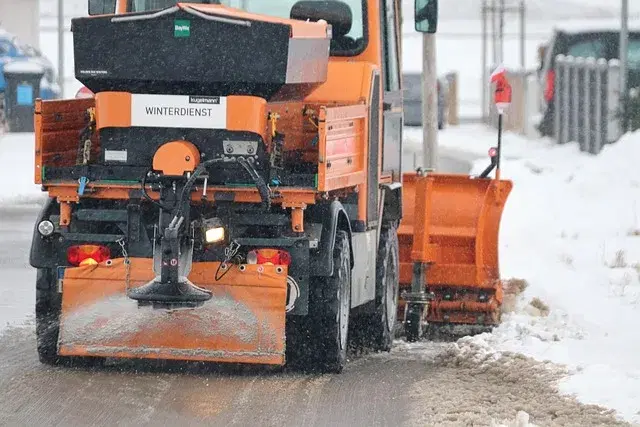
One of the best ways to prevent slippery surfaces is regular snow clearing. By removing snow promptly, you reduce the chance of it compacting into ice. For residents in Ottawa, using professional snow removal services in Ottawa can save time and make sure your whole property gets cleared.
Ezi Services offers reliable snow clearing services in Ottawa that can be scheduled at your convenience. Regular clearing stops snow from piling up and keeps paths safe for family and visitors.
Clear down to the pavement where you can. A thin layer of packed snow left behind turns into a glaze once it's walked or driven on. If you'd rather not run a machine yourself, snow blowing services in Ottawa can clear the driveway and walkway after each storm.
Use de-icing products strategically
After clearing the snow, de-icing products help stop ice from forming on what's left. Salt melts ice, and sand adds traction. Use these products sparingly to avoid damaging your driveway or walkway and to limit the impact on the environment. In spring, wash off the leftover salt and grime and learn how to remove algae and green stains from concrete.
Shovel first. Salt doesn't work on top of a big pile of snow, so it should only go on what's left after clearing. Salt also has limits in the cold. According to the City of Toronto, salt begins to lose effectiveness at -10°C and is ineffective below -20°C. On Ottawa's coldest days, switch to sand or a de-icer rated for lower temperatures, and check the temperature range printed on the bag.
Consider these de-icing options:
| Product | Best for | Watch out for |
|---|---|---|
| Rock salt | Melting ice on milder winter days | Loses power in deep cold; harms plants and concrete when overused |
| Sand or non-clumping kitty litter | Traction on very cold days | Doesn't melt ice; gets tracked indoors |
| Calcium chloride | A less corrosive option for colder days | Costs more; still use sparingly |
| Eco-friendly blends | Areas near gardens and pets | Check the temperature rating on the bag |
A few tips make any product work better:
- Spread thinly and evenly. More salt doesn't mean more melting. The extra washes into lawns and storm drains.
- Get ahead of freezing rain. A light application before it starts helps stop ice from bonding to the pavement.
- Sweep up leftovers. Once the pavement is dry, sweep up extra salt and grit so you can reuse it.
Install heated mats for long-term protection
For a more permanent fix, consider heated mats on your walkways and driveway. These mats melt snow and ice as they fall, keeping surfaces clear without manual clearing. They cost more upfront, but they give you steady safety all winter. If you'd rather skip the equipment and let pros handle it, see our breakdown of snow removal pricing in Ottawa.
Heated mats are most useful for:
- High-traffic areas prone to ice buildup
- Steep driveways where slipping is more dangerous
- Properties where regular upkeep is hard to manage
Add snow fences for wide-open properties
Snow fences work well on large lots or spots that catch heavy drift. Set one upwind of your driveway or walkway. It redirects blowing snow before it piles up. This cuts down the clearing you need to do after a storm.
Find where the water comes from
Most icy patches have a water source. Look at your driveway on a sunny afternoon and see where meltwater runs:
- Downspouts that empty onto the driveway or walkway. Add an extension that sends water toward the lawn.
- Snowbanks uphill from a path. Move new snow to the low side so melt drains away from where you walk.
- Low spots and sunken pavers where water pools. Mark them now and level them in spring.
Make doorways safer
Put a rough-textured mat at each outside door and a boot tray just inside, so meltwater doesn't make the tile slick. Keep a small pail of sand by the door for surprise icy mornings. Sturdy handrails on outdoor steps help older family members and visitors most.
Common mistakes to avoid
- Salting before shovelling. The salt gets buried and wasted.
- Relying on salt in deep cold. Below its working range, it just sits there. Use sand for grip instead.
- Chipping ice with a metal edge. Ice picks and sharp shovel blades can crack concrete and chip pavers.
- Leaving snow overnight after a storm. Footsteps and tires pack it down, and it freezes hard by morning.
Schedule regular maintenance
Regular maintenance is key to keeping your property safe during winter months. This includes steady snow removal and clearing gutters, so melting snow drains away instead of refreezing on walkways. Check for cracks or uneven surfaces too. They turn hazardous once ice forms. Fixing these early prevents falls and extends the life of your driveway.
Ezi Services can help with property maintenance to get your home winter-ready. Our team spots hazards and deals with them before they become safety problems.
Why choose Ezi Services?
Ezi Services makes winter easier with professional, reliable service. You can book snow clearing in Ottawa and other winter services through our easy online platform. Our team works to keep your property safe and accessible all season long.
Visit our Ottawa page to learn more about how we can help you this winter. Take the simple steps above early, and let Ezi handle the heavy lifting when storms stack up.
How To
Frequently Asked Questions
How often should I clear snow from my driveway?
Clear snow as soon as possible after it falls, ideally within a few hours. Regular clearing prevents compaction into ice and maintains safe conditions.
Is salt or sand better for de-icing?
Salt is more effective at melting ice, while sand provides traction without melting. Many homeowners use both strategically or choose eco-friendly alternatives to reduce environmental impact.
Are heated mats worth the investment?
Heated mats offer long-term convenience and safety, especially for steep driveways or high-traffic areas. While costly upfront, they eliminate manual clearing needs throughout winter.
What should I do about cracks in my driveway before winter?
Seal cracks before winter arrives. Water enters cracks, freezes, expands, and causes further damage. Proper sealing prevents costly repairs.
Can professional snow removal services be scheduled regularly?
Yes, Ezi Services offers flexible scheduling options for regular snow removal. You can arrange weekly, bi-weekly, or as-needed service based on your property's needs.
winter safety
driveway maintenance
ice prevention
Explore more
Written by
Home Cleaning · Maintenance
Co-founder of Ezi Services and Draftbase, entrepreneur and builder focused on SaaS, AI, and growth — I turn ideas into scalable businesses using technology, automation, and relentless execution.