Eco-Friendly Cleaning Products: Your Guide to Sustainable Home Cleaning
By Samer A. · · Updated · 16 min read

Key Takeaways
- Look for EPA Safer Choice or Design for the Environment certification labels.
- Avoid vague terms like "eco safe" or "green": they're often greenwashing.
- Over 51,000 trees are cut daily for single-use paper towels.
- A BoatU.S. test found green soaps clean as well as conventional ones.
- Blueland has over 1,000,000 households and 100,000+ five-star reviews.
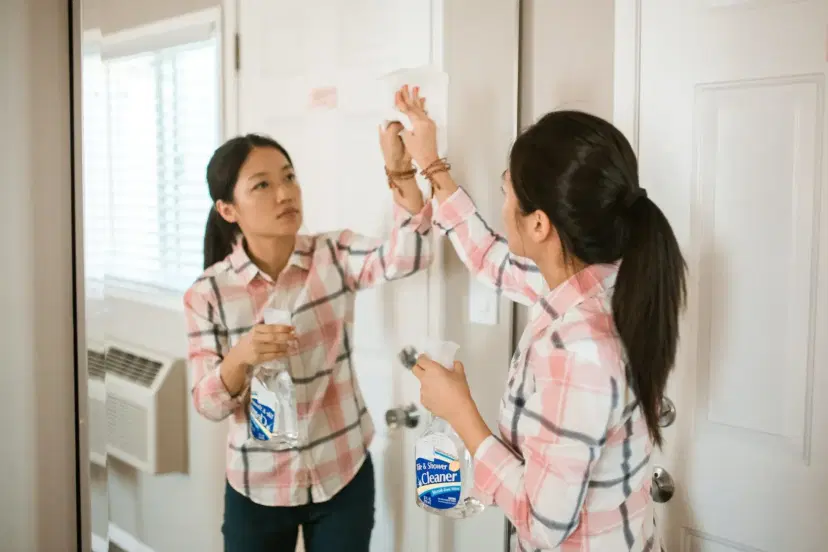
Maintaining a clean home is essential for health and hygiene, but conventional cleaning products often come with hidden costs to our environment and personal well-being. The shift toward eco-friendly cleaning products and sustainable home cleaning practices represents a growing recognition that we can achieve sparkling clean homes without compromising our planet's future or our family's health.
Whether you're looking for environmentally safe cleaners for daily use or exploring green cleaning services for your home, this comprehensive guide will help you understand what makes cleaning products truly sustainable and how to identify products that deliver real environmental benefits, rather than relying on marketing hype.
Understanding the Problem: Why Conventional Cleaning Products Matter
Health Risks Associated with Traditional Cleaners
Conventional cleaning products present significant health concerns that many consumers are unaware of. According to the EPA, these products can contain chemicals associated with eye, skin, or respiratory irritation. Beyond immediate irritation, Clean Water Action identifies that chemicals in cleaning products can cause skin irritation, respiratory problems, allergy distress, cancer, and reproductive harm.
One particularly concerning category is anti-bacterial soaps and cleaning products. These formulations are harmful because they kill bacteria essential to the intestinal tract, hinder the production of vitamins that protect mouth and skin, and inhibit immune system development. For families with children and custodial staff with daily exposure to cleaning products, the risks are even more pronounced.
Environmental Impact of Conventional Cleaners
When cleaning products enter our environment, they create cascading problems that extend far beyond the moment of use. According to the EPA, cleaning products enter the environment through two primary pathways: evaporation of volatile components and rinsing down drains.
A key concern is the presence of alkylphenol ethoxylates, a common surfactant found in many conventional cleaners. Laboratory studies show these chemicals have endocrine-disrupting effects that cause adverse reproductive effects in wildlife. Many conventional surfactants biodegrade slowly or break down into more toxic, persistent, and bioaccumulative chemicals that accumulate in ecosystems over time.
Additionally, phosphorus and nitrogen ingredients contribute to nutrient-loading in water bodies, affecting water quality and triggering harmful algal blooms. Volatile organic compounds (VOCs) in conventional cleaners affect indoor air quality and contribute to outdoor smog formation, creating health impacts that extend beyond the home.
What Makes Cleaning Products Truly Eco-Friendly?
EPA Certification Standards
Not all products labeled as "green" or "eco-friendly" meet rigorous environmental standards. According to the EPA, consumers should be cautious of vague or generic claims like "environmentally friendly," "eco safe," or "green." These terms are often used in greenwashing—misleading marketing that exaggerates environmental benefits.
The EPA has established two trusted certification programs that provide reliable indicators of genuinely greener products:
Safer Choice Program: This EPA-managed certification identifies products containing safer ingredients for human health and the environment. Every ingredient undergoes rigorous evaluation by EPA scientists.
Design for the Environment (DfE) Label: Applied to antimicrobial products including disinfectants and sanitizers, this label requires products to meet the same stringent requirements as the Safer Choice program.
Both certifications require products to meet identical high standards, making them reliable guides for consumers seeking truly sustainable options.
Key Sustainability Criteria
According to the EPA, greener cleaning products should minimize the presence of:
- Corrosive or strongly irritating substances
- Known or likely human carcinogens or reproductive toxicants
- Ozone-depleting compounds
- Hazardous air pollutants (HAPs)
Preferred characteristics for environmentally safe cleaners include:
- Renewable Resources: Use of biobased solvents from citrus, seed, vegetable, or pine oils rather than petroleum-based ingredients
- Low VOC Content: Reduced volatile organic compounds for better indoor air quality
- Ready Biodegradability: Products that break down quickly and safely in the environment, as defined by OECD standards
- Low Aquatic Toxicity: Minimal harm to aquatic ecosystems (LC50 or EC50 > 10 mg/L)
- Low Flammability: Flash point greater than 200°F for safer handling and storage
- Near-Neutral pH: Between 4 and 9.5 to reduce corrosivity
- Fragrance-Free or Safe Fragrances: Either fragrance-free or meeting EPA's Safer Choice Criteria for Fragrances
- Cold Water Compatibility: Designed for cold water use to conserve energy during cleaning
Sustainable Packaging Considerations
True sustainability extends beyond the cleaning formula itself to include responsible packaging. According to the EPA, sustainable packaging should feature:
- Concentrated formulas with appropriate handling safeguards to reduce volume and transportation emissions
- Efficient, lightweight packaging that reduces material use
- Recyclable and recycled-content materials
- Packaging free of heavy metals, BPA, or phthalates
- Refillable bottles preferred over single-use containers
- Pump sprays rather than aerosols
- Bulk shipping options for commercial and high-volume users
- Clear labeling on use, disposal, and safety information
Identifying Greenwashing vs. Genuine Green Products
The Greenwashing Problem
According to the EPA, consumers should be cautious of vague or generic claims on product labels. Terms like "environmentally friendly," "eco safe," or "green" lack standardized definitions and can be applied to products with minimal environmental consideration.
Ecolabels from credible programs are significantly more reliable indicators of genuinely greener products than unsubstantiated marketing claims.
Trusted Certification Programs
When shopping for eco-friendly cleaning products, look for these recognized certifications:
EWG VERIFIED®: According to the Environmental Working Group, products earning "EWG VERIFIED®" status meet strict scientific standards for transparency and health. Every verified product undergoes scrutiny by EWG's scientific team of toxicologists, chemists, and epidemiologists.
ECOLOGO® Certification: According to The Cleaning Authority, this third-party certification program builds trust between buyers and sellers. Products are certified for reduced environmental impact by UL Environment and must prove compliance with stringent third-party environmental performance standards through rigorous scientific testing and exhaustive auditing.
Leaping Bunny Certified: This certification indicates that products have not been tested on animals and that the company maintains a commitment to cruelty-free practices.
Popular Eco-Friendly Cleaning Product Categories
Concentrated Tablet and Refill Systems
One of the most innovative approaches to sustainable home cleaning involves concentrated tablet formulas that dissolve in water. According to Green Llama, their tablet-based refill system works by simply adding a tablet to 16 ounces of warm water, with tablets dissolving in 3-5 minutes. This approach dramatically reduces packaging waste while maintaining product effectiveness.
Blueland has gained significant market traction with this model, reporting that over 1,000,000 homes have switched to their products, with 100,000+ 5-star reviews. Their products feature 100% microplastic-free formulas in industrially compostable packaging, certified safe for use around kids and pets.
Zero Waste Cleaning Solutions
According to Zero Waste Store, comprehensive zero waste cleaning product collections are now available, featuring over 32 products across multiple categories. Key zero waste products include:
Dish Washing Blocks: Products like the DISH BLOCK® from No Tox Life provide vegan, zero waste dish soap in bar form (6oz), eliminating plastic bottles entirely.
Laundry Detergent Sheets: Plant-based, vegan, cruelty-free, and allergen-free laundry sheets offer concentrated cleaning power without excess packaging or water weight.
For more eco-friendly laundry tips beyond detergent sheets, see our full guide.
Reusable Alternatives: The environmental impact of single-use products is staggering. According to Zero Waste Store, over 51,000 trees are cut down daily for single-use paper towels. Reusable paper towels made from 100% organic cotton provide a sustainable alternative.
Biodegradable Scrubbers: Products like coconut kitchen scrubbers and loofah sponges from sustainably sourced materials are completely biodegradable and compostable, eliminating the microplastic pollution from synthetic sponges.
Microfiber Capture Technology: The GUPPYFRIEND Washing Bag addresses an often-overlooked environmental problem by catching microfibers during washing, reducing microplastic pollution entering waterways.
Multi-Purpose Concentrated Formulas
According to Public Goods, sustainable cleaning product collections now include biodegradable and natural cleaning formulas across multiple categories:
- Dish products with soap refills
- Laundry detergent pods and sheets
- Surface cleaners for multiple applications
- Tree-free paper products made from bamboo and sugarcane
- Compostable trash bags in multiple sizes
Green Cleaning Services: Professional Sustainable Solutions
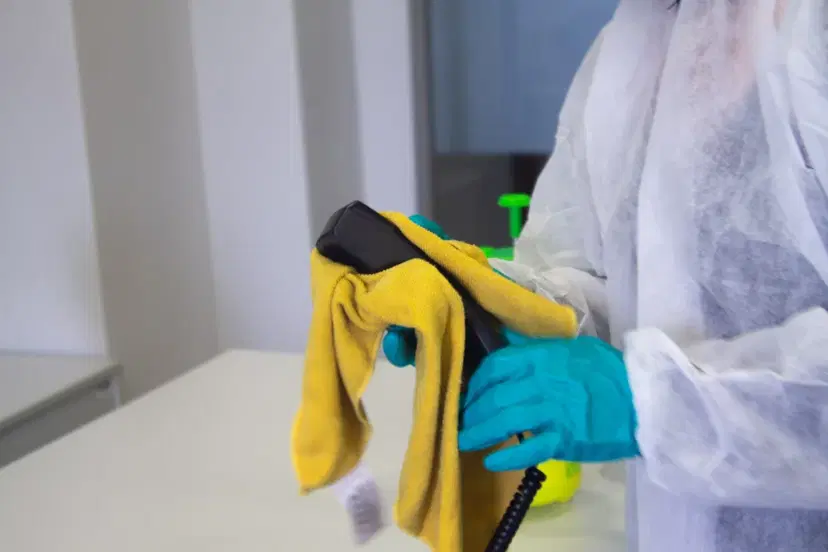
For those seeking professional assistance, green cleaning services have emerged as a viable alternative to conventional commercial cleaning companies. These services combine eco-friendly cleaning products with professional expertise.
What Green Cleaning Services Offer
According to Susan's Green Cleaning, a Seattle-based eco-friendly house cleaning service, professional green cleaning uses all-natural, non-toxic cleaning ingredients containing no known carcinogens, human or aquatic toxins, or reproductive toxicants. All products are formulated for reduced environmental impact.
Susan's Green Cleaning pioneered the use of TANCS® Disinfection (Thermo Accelerated Nano Crystal Sanitation), an EPA-approved technology that modifies the crystal structure of minerals in tap water to clean and disinfect faster than most chemicals. This eco-friendly, green, non-toxic dry steam vapor approach represents an innovative advancement in professional green cleaning.
Green Cleaning in Commercial and Institutional Settings
According to Clean Water Action, cleaning products are especially dangerous for children and custodial staff with daily exposure. Progressive institutions have recognized this risk. New Jersey Executive Order #76 (2006) requires all state properties and authorities to purchase and use green cleaning products, setting a precedent for institutional commitment to safer cleaning practices.
Disinfectant Best Practices
According to the EPA, proper use of disinfectants is crucial for both effectiveness and environmental responsibility:
- Limit disinfectants to areas where people contact contaminated surfaces (bathroom fixtures, doorknobs, high-touch surfaces)
- General cleaning tasks (walls, floors, low-touch surfaces) typically do not require disinfectants
- Proper training on product use is recommended to ensure appropriate application
This guidance helps reduce unnecessary chemical use while maintaining effective hygiene practices.
How to Choose Environmentally Safe Cleaners
Reading Product Labels
According to Clean Water Action, when evaluating cleaning products, look for:
- Non-toxic formulations
- Biodegradable ingredients
- Phosphate-free formulas
- Recycled content containers
- Bulk packaging options
- Natural fragrances rather than synthetic
- No dyes, chlorine, or hypochlorite
- Full disclosure of both "active" and "inert" ingredients
Many conventional products list only active ingredients, hiding potentially harmful inert ingredients. Full transparency is a hallmark of trustworthy eco-friendly cleaning products.
Using Product Guides and Databases
According to the EPA, a searchable database of EPA Safer Choice certified products is available, allowing consumers to filter by:
- Fragrance-free products
- Products with outdoor uses
- Home or business use categories
- Specific cleaning applications (all-purpose, kitchen, bathroom, laundry, floor care, specialty cleaners)
The Environmental Working Group provides a science-backed guide with a Label Decoder tool to help consumers distinguish facts from marketing hype on product labels. The EWG Healthy Living mobile app allows on-the-go product research, covering cleaning products, personal care, and food items.
Accessibility and Affordability
According to Clean Water Action, solutions promoted should be readily available, affordable (cost neutral or cheaper), and effective. The false choice between environmental responsibility and cost-effectiveness is increasingly disappearing as sustainable products gain market share and achieve economies of scale.
DIY Eco-Friendly Cleaning Solutions
For those seeking maximum control over ingredients and packaging, DIY cleaning solutions offer an excellent alternative. According to Sailors for the Sea, several natural ingredients provide effective cleaning power:
For step-by-step recipes, see our guide to making natural cleaning supplies at home. If you share your home with animals, our guide to pet-safe cleaning products covers what to avoid.
Essential DIY Ingredients
Vinegar: Acidic nature dissolves dirt, debris, and grime while killing some pathogens (though not a complete disinfectant).
Lemon Juice: Acidic and antibacterial properties (not a disinfectant).
Baking Soda: Mildly alkaline, slightly abrasive, dissolves dirt and grease, and neutralizes odors (use with caution around certain metals).
Cream of Tartar: Mildly acidic and less abrasive than baking soda, making it suitable for delicate surfaces.
Borax: Alkaline properties remove stains, mold, and mildew while neutralizing odors.
Salt: Gentle scouring agent that boosts cleaning and deodorizing properties.
Hydrogen Peroxide: Natural disinfectant with antibacterial and antiviral properties.
Simple DIY Recipes
According to Sailors for the Sea, these effective recipes require minimal ingredients:
All-Purpose Cleaner: Mix 1 cup white vinegar per gallon of water for a versatile cleaning solution suitable for most surfaces.
Fiberglass Stain Remover: Create a paste with baking soda and water for gentle yet effective stain removal.
Aluminum Cleaner: Mix 2 tablespoons cream of tartar per quart of hot water (use cream of tartar instead of baking soda to prevent oxidation).
Stainless Steel Cleaner: Apply a baking soda paste, followed by white vinegar to remove water spots.
Mildew Remover: Combine equal parts lemon juice and salt for effective mold and mildew treatment.
The Business Case for Sustainable Home Cleaning
Market Growth and Consumer Adoption
The shift toward eco-friendly cleaning products represents more than an environmental trend—it reflects changing consumer values and market dynamics. According to Blueland, over 1,000,000 homes have already switched to sustainable cleaning products, with 100,000+ 5-star reviews demonstrating strong consumer satisfaction.
Environmental Impact Statistics
According to Zero Waste Store, the environmental case for sustainable alternatives is compelling. Over 51,000 trees are cut down daily for single-use paper towels alone, illustrating the scale of waste generated by conventional cleaning practices.
Carbon-Neutral and Zero-Waste Operations
Leading sustainable cleaning product companies are implementing comprehensive environmental practices. According to Green Llama, companies are now offering carbon-neutral shipping on all orders and partnering with carbon removal initiatives. Their community has funded the removal of over 69 million carbon-neutral orders, with 49,000+ tonnes of carbon removed.
Common Concerns and Solutions
Effectiveness of Eco-Friendly Products
A common misconception is that eco-friendly cleaning products are less effective than conventional alternatives. However, according to Sailors for the Sea, research shows that the "greenness" of a cleaner did not impact its ability to clean effectively. The BoatU.S. Foundation tested 9 new "green" boat soaps and found comparable cleaning performance to conventional products.
According to Green Llama, customers report that products work as well as or better than traditional cleaners, with particular praise for the lack of harsh fragrances and elimination of plastic waste.
Cost Considerations
While some eco-friendly products have higher upfront costs, concentrated formulas and refill systems often provide better long-term value. Subscription options and bulk purchasing further reduce costs, making sustainable cleaning cost-competitive with conventional alternatives.
Disinfection Effectiveness
According to the EPA, proper application of EPA Safer Choice certified disinfectants provides effective pathogen control. The key is using disinfectants appropriately—for high-touch surfaces and areas of actual contamination—rather than over-applying them to all surfaces.
Making the Transition to Sustainable Home Cleaning
Starting Your Journey
Transitioning to eco-friendly cleaning products doesn't require replacing everything at once. Consider these steps:
- Audit Current Products: Identify which cleaning tasks require the most frequent attention in your home.
- Start with High-Impact Replacements: Begin by replacing the products you use most frequently, such as all-purpose cleaners or laundry detergent.
- Research Certifications: Look for EPA Safer Choice, EWG VERIFIED®, or ECOLOGO® labels on products.
- Try Concentrated Formulas: Explore tablet-based or concentrated refill systems to reduce packaging waste.
- Experiment with DIY Solutions: Test simple vinegar and baking soda solutions for basic cleaning tasks.
- Consider Professional Services: For deep cleaning or specialized tasks, research green cleaning services in your area.
Building a Sustainable Cleaning Routine
According to Clean Water Action, green cleaning uses less toxic products safer for people, animals, and the environment while maintaining cleanliness and disinfection. Benefits include improved indoor air quality, reduced health risks from chemical exposure, and environmental protection.
Regular maintenance with eco-friendly products often requires less intensive cleaning than conventional approaches, as these products work with natural processes rather than overwhelming them with harsh chemicals.
Conclusion: The Future of Sustainable Home Cleaning
The transition toward eco-friendly cleaning products and sustainable home cleaning practices represents a fundamental shift in how we approach household maintenance. By choosing environmentally safe cleaners, supporting green cleaning services, and implementing sustainable practices, we protect our families' health, reduce environmental harm, and contribute to a more sustainable future.
Whether you opt for EPA Safer Choice certified products, zero waste alternatives, professional green cleaning services, or DIY solutions, the key is making informed decisions based on credible certifications and scientific evidence rather than marketing claims. The growing availability and proven effectiveness of sustainable cleaning options make this transition more accessible than ever before.
Start your journey toward sustainable home cleaning today. Your home, your family, and the environment will benefit from the choice to clean responsibly.
Frequently Asked Questions
What are the best eco-friendly cleaning products?
Top-rated eco-friendly options include: Method All-Purpose Cleaner (biodegradable, plant-based), Seventh Generation Disinfecting Multi-Surface Spray (EPA Safer Choice certified), and Branch Basics Concentrate (fragrance-free, non-toxic). For Canadian buyers, PC Green and Attitude are widely available eco-certified brands. For DIY, white vinegar, baking soda, and castile soap cover most household cleaning needs.
Are natural cleaning products as effective as conventional ones?
For everyday cleaning, yes — white vinegar, baking soda, and plant-based cleaners perform comparably to conventional products on most surfaces. For disinfection (killing 99.9% of bacteria and viruses), you need a Health Canada-registered disinfectant — not all 'natural' products qualify. Check for a DIN (Drug Identification Number) on the label if disinfection is required.
How do I make natural cleaning supplies at home?
All-purpose spray: 1 cup water + 1 cup white vinegar + 15 drops tea tree essential oil. Scrubbing paste: baking soda + a few drops of dish soap + squeeze of lemon juice. Glass cleaner: 2 cups water + ½ cup white vinegar + ¼ cup rubbing alcohol. Toilet bowl cleaner: ½ cup baking soda + ¼ cup white vinegar, let fizz, then scrub.
What should I look for on eco-friendly cleaning product labels?
Look for: third-party certifications (EcoLogo, EPA Safer Choice, ECOCERT, MADE SAFE), biodegradable or plant-derived ingredients listed on the label, no phosphates, chlorine bleach, or synthetic fragrances, concentrated formula (less packaging waste), and recyclable or refillable packaging. Avoid greenwashing — terms like 'natural' and 'green' have no regulated meaning.
Is eco-friendly cleaning more expensive?
Off-the-shelf eco-friendly products can cost 10–25% more than conventional brands, but many are concentrated formulas (one bottle makes several litres of ready-to-use spray), reducing cost per use. DIY options — vinegar, baking soda, castile soap — are among the most affordable cleaning solutions available, often costing less than $1 per batch.
eco-friendly cleaning
green cleaning
natural cleaning
Written by
Co-founder of Ezi Services, building tech that connects homeowners with trusted local service providers across Canada. Software engineer turned entrepreneur, based in Ottawa.