Pet-Safe Cleaning Products: What to Use and What to Avoid
By Samer Alsayegh · · Updated · 9 min read
Key Takeaways
- Skip ammonia, chlorine bleach, and phenol-based cleaners around pets in any room.
- Vinegar, baking soda, and castile soap work as safe swaps in most rooms.
- Never mix bleach with ammonia or vinegar. The mix makes toxic gas.
- Pick fragrance-free, dye-free laundry soap. Store pods where pets can't reach them.
- Let any treated surface dry fully before your pet walks on it again.
Keeping your home clean matters for your health. But not every cleaner is safe around a cat or dog. Some products can hurt a pet. That's true if a pet licks a wet spot. It's true for a spill, too, or strong fumes. The ASPCA's poison control line gets many calls about cleaners each year. Here's what to skip, and what to use instead, room by room.
Quick swaps at a glance
| Job | Skip around pets | Use instead |
|---|---|---|
| Counters | Bleach sprays, phenol cleaners | Vinegar and water spray |
| Stains on the stove or sink | Harsh scouring powders | Baking-soda paste |
| Toilet bowl | Strong bowl cleaners left in the bowl | Vinegar, baking soda, a brush |
| Floors | Scented floor cleaners with essential oils | Castile soap in warm water, then a plain-water rinse |
| Carpet odours | Perfumed carpet powders | Baking soda, then vacuum |
| Pet accidents | Ammonia-based cleaners | A pet-safe enzyme cleaner |
Ammonia is worth calling out for accidents. Urine contains ammonia, so an ammonia cleaner can smell like urine to a pet. That can draw them back to the same spot.
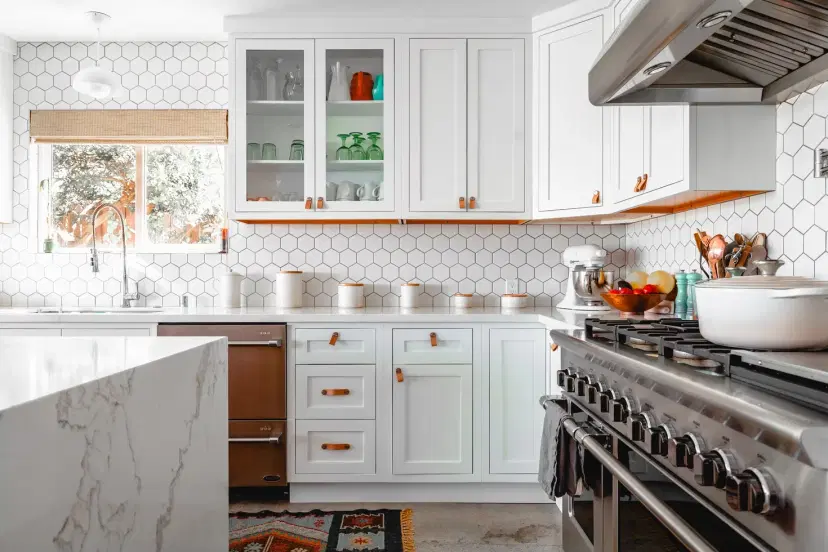
Kitchen
Ammonia, chlorine bleach, and phenol-based cleaners top the list to keep away from pets. The Pet Poison Helpline says bleach can cause drooling and vomiting. It can also irritate a pet's mouth, eyes, and airway. Fumes alone can bother a cat's airway. Cats are very sensitive to chemicals in the air.
Plant-based swaps work well here. Vinegar, baking soda, lemon juice, and castile soap clean most kitchen surfaces. They leave nothing toxic behind. See our guide on DIY cleaning products. Try a vinegar spray for counters. Or make a baking-soda paste for stains.
Watch the floor, too. Pets eat crumbs and lick spills. Wipe up any spilled cleaner right away. Keep pet bowls off the counter while you spray, and wash them on their own with dish soap and hot water.
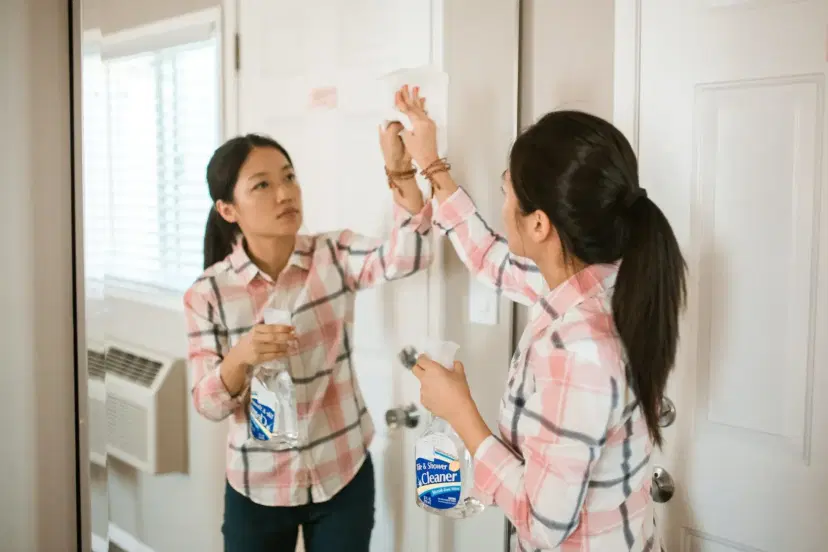
Bathroom
Bathroom cleaners often pack the harshest stuff in the house. Bleach, ammonia, and peroxide can hurt a pet's skin. They can also cause vomiting. This can happen if a pet touches a surface before it dries. Never mix bleach with ammonia or vinegar. The mix makes a toxic gas. It harms pets and people alike.
Vinegar, baking soda, and castile soap handle most bathroom jobs. Mix vinegar and water for a toilet bowl cleaner. Combine baking soda with castile soap for a tub scrub. Let any cleaned surface dry fully before your pet comes back in.
Keep the toilet lid down. Many dogs drink from the bowl. Skip the drop-in tablets that tint the water blue. Close the door while you clean so a curious cat doesn't walk through a wet tub.
Laundry
Laundry pods pose a unique risk. The Pet Poison Helpline warns pods can look like a toy or treat. A punctured pod sends soap right into a pet's mouth. This can cause bad vomiting, far worse than a spilled liquid soap would.
Pick a scent-free, dye-free soap for laundry. Store pods, or any soap, where your pet can't reach them. Vinegar in the rinse cycle works as a natural fabric softener, with no added risk.
Wash pet beds and blankets on their own. Use hot water and an extra rinse so no soap stays in the fabric your pet sleeps on.
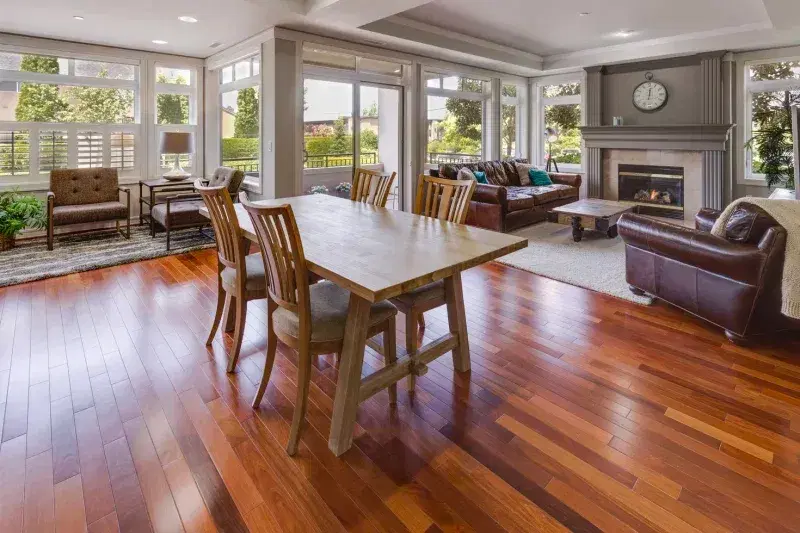
Living room
Carpet and couch cleaners often carry the same harsh stuff. Pets spend the most time here, and if a dog is tracking mud through the house daily, our guide to cleaning floors with a dog covers the mopping routine that keeps up with it. What's left behind matters more here than almost anywhere else.
Baking soda soaks up odours safely. Sprinkle it on carpet or fabric before you vacuum. A vinegar spray freshens fabric with nothing toxic left behind. For carpet stains, look for a pet-safe enzyme cleaner. These break down odour instead of just covering it with scent.
If you rent a carpet shampooer, rinse with plain water after the soap pass. Then let the carpet dry fully before pets lie on it.
Entryway in winter
Winter in Ottawa, Montreal, Toronto, and Gatineau brings a hazard most guides miss: road salt and ice melt. It sticks to paws and lands on your floors. Many de-icers can sting cracked paw pads. Pets also lick them off, which can upset the stomach.
- Wipe paws with a warm, damp cloth after every walk.
- Use a pet-friendly ice melt on your own steps and walkway.
- Put a washable mat inside the door and wash it often.
- Mop the entryway with warm water to lift the salt film your pet would otherwise lick.
How to read a cleaning label in Canada
Canadian labels use set hazard symbols under the Consumer Chemicals and Containers Regulations. An octagon border means the contents are hazardous. Inside, a skull and crossbones means toxic, a flame means flammable, and the bones of a hand mean corrosive. An upside-down triangle with a burst means the container can explode.
If a product shows the skull or the hand, treat it as unsafe around pets. Use it only with pets out of the room, then rinse and dry the surface.
Are essential oils safe cleaning products for pets?
Not always. Many "natural" cleaners use essential oils for scent or for their antiseptic and antifungal properties. The ASPCA warns that tea tree, eucalyptus, pine, citrus, peppermint, and wintergreen oils can be toxic to pets, and cats are the most sensitive because their livers cannot break these oils down. A floor cleaner with essential oils leaves a residue that paws pick up and pets lick off.
For pet-safe cleaning, pick fragrance-free products, or use plain white vinegar (acetic acid) and water for neutralizing odours. Baking soda works as a mild abrasive for scrubbing. If a product lists essential oils, keep pets out until the surface is rinsed and dry. The same goes for diffusers and plug-in air fresheners in rooms where pets sleep.
What to do if your pet gets into a cleaner
Act fast. Move your pet away from the product and open a window. Call your vet or an animal poison control line right away. Keep the bottle nearby so you can read the ingredients over the phone. Don't try to make your pet vomit unless a vet tells you to. Some cleaners burn more coming back up.
The bottom line
Cleaning your home doesn't have to put your pet at risk. Stick with vinegar, baking soda, castile soap, and other plant-based, scent-free picks. Keep pets out of a room until any treated surface dries fully. Not sure about a product you own? Check its label against the ASPCA's poison list first.
Need a cleaner in Ottawa who works around your pet's needs? Ezi Home Services uses pet-safe, natural products, on request. Just tell us when you book. This works for a one-time deep clean. It works for a regular visit too.
Frequently Asked Questions
What cleaning products are toxic to dogs and cats?
Ammonia, chlorine bleach, phenol-based cleaners, and hydrogen peroxide are among the most common household cleaners linked to pet poisoning calls, per the ASPCA Animal Poison Control Center. Fumes alone can irritate a cat's airway even without direct contact.
What household items are safe to clean with around pets?
Vinegar, baking soda, lemon juice, and castile soap clean most surfaces without leaving toxic residue behind. They work for kitchen counters, bathroom fixtures, and carpet odours alike.
Why are laundry pods dangerous for pets?
The Pet Poison Helpline warns that concentrated laundry pods can look like a toy or treat to a curious pet. A punctured pod releases detergent directly into the mouth, which causes more severe vomiting than spilled liquid detergent would.
How long should I keep pets away from a freshly cleaned surface?
Keep pets off or away from any chemically cleaned surface until it dries completely. Residue on a damp surface is what typically causes skin or paw irritation, not the cleaning itself.
Can I mix bleach with other cleaners when pets are in the house?
No. Never mix bleach with ammonia or vinegar, since the combination releases a toxic gas that harms pets and people. This risk applies whether or not pets are nearby, but ventilation matters even more in a home with animals.
pet-safe
cleaning supplies
cleaning safety
Explore more
Written by
Home Cleaning · Maintenance
Co-founder of Ezi Services and Draftbase, entrepreneur and builder focused on SaaS, AI, and growth — I turn ideas into scalable businesses using technology, automation, and relentless execution.