Why a Clean, Tidy Home Helps You Sleep Better
By Lorna Beaulieu · · Updated · 10 min read

Key Takeaways
- Cluttered homes are linked to measurably higher daily cortisol levels, per UCLA.
- About 40% of Canadians with allergies are sensitive to dust mites.
- Keep indoor humidity between 35% and 50% to limit dust mites.
- Vacuum twice weekly, not once, in homes with pets.
- Wash bedding weekly in hot water for better sleep and fewer allergens.
A clean, tidy home does more than look good. It lowers your stress hormones, cuts down on the dust and allergens that trigger asthma and allergies, and helps you fall asleep faster and stay asleep longer. Researchers at UCLA found that women who described their homes as cluttered had measurably higher cortisol levels throughout the day than women who called their homes calm and restful, a stress response with real consequences for mood, sleep, and even immune function. If you've ever felt an odd wave of relief after finally clearing off the kitchen counter, that's not in your head. It's your nervous system responding to order.
What actually happens in your body when your home is a mess
Clutter and dirt affect your body in ways you can measure, not just feel. The UCLA study on dual-income families found that women who rated their living spaces as cluttered had elevated cortisol, the body's primary stress hormone, across the day compared to women in tidier homes, an effect reported by the Centre for Addiction and Mental Health (CAMH). Chronically elevated cortisol is linked to disrupted sleep, weakened immune response, and increased anxiety over time.
Clutter also competes for your brain's attention. The widely cited Princeton University Neuroscience Institute research on visual processing found that unfinished, visually busy environments make it harder for the brain to focus on any one task, because competing stimuli in your peripheral vision draw processing power away from whatever you're trying to concentrate on. Fewer things in view generally means an easier time focusing. For anyone working from home, this effect compounds directly into the workday: a cluttered desk or kitchen table doubling as an office competes for the same attention a task needs, so clearing the workspace before starting the day can measurably reduce how often you get pulled off task.
How dust, dander, and dirt affect your physical health
Beyond stress, an unclean home is a direct source of physical health problems, mainly through allergens. According to Health Canada, roughly 40% of Canadians with allergies are sensitive to dust mites, one of the most common triggers found in carpets, bedding, and upholstered furniture. Dust mites thrive in humidity above 50%, so homes that are both damp and rarely cleaned create ideal breeding conditions.
Health Canada recommends keeping indoor relative humidity between 35% and 50%, vacuuming regularly with a HEPA-filter vacuum, washing bedding weekly in hot water, and encasing mattresses and pillows in allergen-impermeable covers to meaningfully cut dust mite exposure. If allergy symptoms are a recurring issue in your home, addressing the dust and allergen sources directly, rather than just the symptoms, tends to make the biggest difference. See our guide on how to reduce allergens in your home for a full room-by-room breakdown.
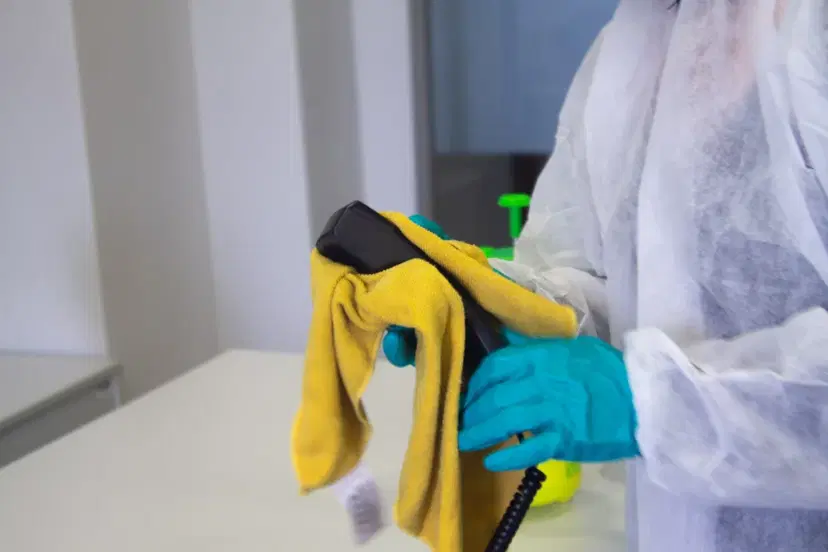
A clean kitchen matters just as much, for a different reason: food safety. Crumbs, spills, and un-sanitized surfaces near food prep areas create the conditions bacteria need to multiply. Wiping down counters after every use and washing dish towels frequently keeps that risk low without requiring a deep clean every day.
Does a messy home actually ruin your sleep?
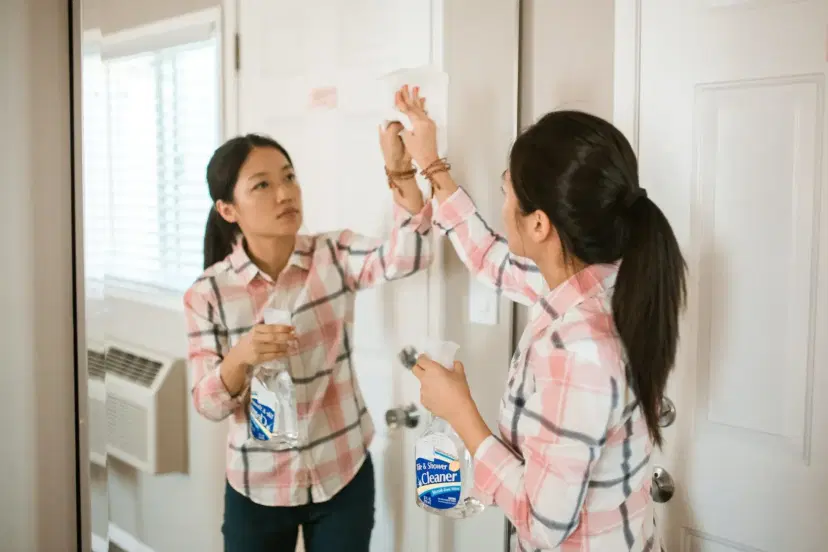
Yes, and the mechanism is fairly direct. A cluttered, visually busy bedroom keeps your brain in a low-level state of alert rather than winding down, and a room that smells musty or holds allergens can trigger congestion, coughing, or itchy eyes that interrupt sleep before you're even aware of it. The fix isn't complicated: wash your sheets weekly in hot water, vacuum your mattress every few months, and keep bedroom surfaces clear of anything but what you need before bed. A cooler, tidier, allergen-light bedroom is measurably easier to fall asleep in and stay asleep through the night.
Can cleaning actually improve your mood?
There's a psychological payoff to cleaning that goes beyond simply removing a source of stress. Research referenced by the Mental Health Commission of Canada, including work from researchers at the University of Toronto, points to an association between the physical act of cleaning and a reduction in residual anxiety from a stressful scene. Finishing a cleaning task, even a small one like clearing a countertop, gives your brain a completed, controllable win in a day that might otherwise feel chaotic.
That sense of accomplishment compounds. People who keep a consistent cleaning routine report feeling more in control of their environment generally, which spills over into other areas of life: task completion, decision-making, and even how comfortable they feel inviting people over.
Cleaning with kids, pets, or roommates in the house
Homes with kids, pets, or multiple roommates accumulate mess faster than they can reasonably be blamed for; more people and more fur means more dust, more crumbs, and more surfaces touched every day. Two adjustments make the biggest difference here: vacuuming twice weekly rather than once in homes with pets, since pet dander is one of the most common allergy triggers alongside dust mites, and assigning specific chores to each household member rather than leaving cleaning as an unspoken, unevenly distributed task. Splitting the work explicitly, even with young kids handling small jobs like putting toys in bins, keeps the workload from falling entirely on one person and keeps the home from sliding into chaos between bigger cleans.
Does a clean home actually save you money?
Maintenance is cheaper than replacement. Wiping down stainless steel appliances prevents the buildup that eventually requires professional descaling or repair, vacuuming carpets regularly extends their life by preventing embedded grit from cutting fibres, and a decluttered home makes it much easier to see what you already own, which cuts down on duplicate purchases of things you thought you'd lost. None of these savings are dramatic on their own, but they add up over the years a home is lived in.
Building a cleaning routine that actually sticks
Most people don't fail at cleaning because they don't know how, they fail because they try to do too much at once. Start smaller than feels necessary: pick one habit, like clearing counters before bed or making the bed each morning, and build from there rather than attempting a full deep clean in one sitting. A workable routine usually breaks into three tiers:
- Daily: dishes done, counters wiped, bed made, floors clear of clutter.
- Weekly: vacuum and mop main living areas, wash bathroom surfaces, change bedding.
- Monthly or seasonal: deep clean appliances, baseboards, windows, and closets.
Organizing where things live matters as much as the cleaning itself. If your kitchen is constantly cluttered, the fix might not be cleaning more, it might be reorganizing so items have an obvious home. See our guide on organizing a kitchen for a practical system that holds up day to day.
If keeping up with any routine feels overwhelming no matter how you slice it, our guide on cleaning your home efficiently walks through how to cut the time a full clean takes without cutting corners.
Methodology
The health claims in this guide are drawn from Health Canada's published guidance on dust mites and indoor allergens, and from reporting by the Centre for Addiction and Mental Health (CAMH) and the Mental Health Commission of Canada on the research connecting clutter, cortisol, and cleaning behaviour, including work from the University of Toronto. Where a study originates outside Canada, such as the UCLA cortisol research and the Princeton attention research, it's presented as background research referenced by Canadian health bodies rather than as Canadian-specific data.
When it makes sense to call in a professional cleaner
A cleaning routine that fits your life is more sustainable than an ambitious one you abandon after two weeks. If your schedule genuinely doesn't leave room for weekly deep cleaning, hiring it out for the tasks that matter most (bathrooms, kitchens, floors) is often the difference between a home that stays consistently clean and one that swings between spotless and overwhelming.
Ezi connects you with vetted house cleaning service providers for a one-time deep clean or a recurring schedule, with upfront pricing and no guesswork about who's coming into your home. Whether you need a single general clean from a house cleaning service or an ongoing plan, you can book a service provider in a few taps.
The bottom line
A clean home isn't about appearances. It's measurably connected to lower stress hormones, fewer allergy triggers, better sleep, and a stronger sense of control over your day. You don't need a perfect home to get those benefits, you need a routine you'll actually keep. Start with one habit, build from there, and bring in professional help for the parts that don't fit your schedule. Ready to hand off the parts that take the most time? Book a cleaning with Ezi and get your home to a baseline you can maintain.
Frequently Asked Questions
Does cleaning your home actually lower stress?
Yes. A widely cited UCLA study found that people who described their homes as cluttered had higher cortisol, the body's stress hormone, throughout the day than those in tidier homes. Keeping surfaces clear and maintaining a basic routine measurably reduces that stress response.
How often should you clean to reduce allergens like dust mites?
Vacuum with a HEPA-filter vacuum at least weekly, and twice weekly if you have pets or carpet, and wash bedding in hot water every week. Health Canada recommends keeping indoor humidity between 35% and 50%, since dust mites thrive above 50% humidity.
Can a messy bedroom affect how well you sleep?
Yes. A cluttered, visually busy bedroom keeps your brain in a low-level state of alert, and dust or allergens in bedding can trigger congestion that interrupts sleep. Washing sheets weekly and keeping bedroom surfaces clear supports both falling asleep faster and staying asleep longer.
Does decluttering really improve focus and productivity?
Yes. Princeton University Neuroscience Institute research on visual attention found that unfinished visual clutter competes with your brain for processing power, making it harder to concentrate on a single task. Clearing a workspace before starting work reduces that competition.
When does it make sense to hire a professional cleaner instead of doing it yourself?
Hire a professional when your schedule doesn't leave consistent time for weekly deep cleaning of bathrooms, kitchens, and floors, the tasks most linked to allergens and bacteria buildup. A recurring professional clean keeps a home at a consistent baseline instead of swinging between spotless and overwhelmed.
clean home
mental health
home organization
house cleaning
stress relief
Written by
Home Cleaning · Maintenance
Lorna has spent years in residential cleaning and home maintenance, from move-in/move-out deep cleans to seasonal upkeep routines that actually hold up. She writes about the small, practical habits that keep a home running smoothly between professional visits.