How to Clean Hardwood Floors Without Damaging Them
By Samer Alsayegh · · Updated · 9 min read
Key Takeaways
- Sweep or vacuum daily with the beater bar off.
- Damp mop every week or two with a pH-neutral cleaner.
- Never use steam mops, vinegar, or wet mops on hardwood.
- Blot spills right away, since rubbing pushes them in deeper.
- Book a professional deep clean every 12 to 18 months.
Hardwood floors are a favourite feature in Canadian homes. They're warm, tough, and timeless. But they're also more sensitive than most people realize. Mop them with vinegar or hit them with a steam mop once, and you start a slow process of damage. It often stays hidden until it's expensive to fix. The good news: cleaning hardwood floors isn't hard. You just need to know what works, and what quietly ruins them. Whether you search for cleaning hardwood floors, washing hardwood floors, or just wiping down wood floors, the method below applies the same way, get it wrong on any wood floor and the damage looks the same.
Why hardwood floors need special care
Wood is a porous material. It reacts to its environment. A protective finish on top, usually polyurethane, keeps it looking good. It also blocks moisture. Once that finish wears down, the wood starts to soak up grit, stains, and water. The result is dull, hazy flooring. It can even warp or crack over time. The two biggest enemies of hardwood floors are grit and excess moisture. Grit acts like sandpaper under foot traffic. It slowly grinds down the finish. Moisture seeps into the seams. That causes swelling, cupping, and warping.
What you'll need before you start
You don't need much gear. But the right tools make a real difference. Use a soft-bristle broom or a vacuum on the hard floor setting, with the beater bar off. Use a flat microfiber mop, not a string mop. String mops hold too much water. Add a pH-neutral hardwood cleaner, like Bona. Keep clean, dry microfiber cloths on hand for spills. Not sure if your floors are sealed? Drop a little water in a hidden corner. If it beads up, the floor is sealed. It's safe for damp mopping. If it soaks in, your floors are unsealed or waxed. Stick to dry cleaning only.
Step-by-step: How to clean hardwood floors properly
Step 1: Sweep or vacuum (daily or every few days)
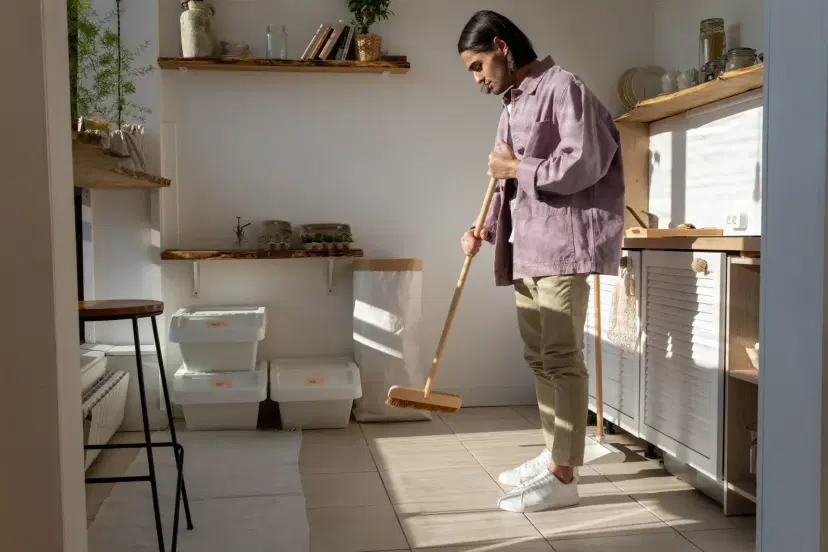
This is the most important step. It's also the one most people skip. Use a soft-bristle broom, or a vacuum on the hard floor setting with the beater bar off. A microfiber dust mop works even better. It uses static charge to lift dust and pet hair, instead of pushing it around. This step matters most in winter. Salt, sand, and de-icing grit get tracked in from outside. They're abrasive and dull a finish fast.
Step 2: Damp mop with a pH-neutral cleaner (weekly or every two weeks)
After vacuuming, lightly mist a flat microfiber mop pad with a pH-neutral cleaner. The key word is damp, not wet. Wring the pad until it barely feels moist. It should dry on the floor within a minute or two. Mop with the wood grain, in small sections. See water pooling or streaking? Your mop is too wet. Go back over each section with a dry cloth. This removes any leftover moisture. Want a deeper clean? Our deep cleaning service covers floors and the rest of your home. Ezi has you covered across Canada.
Step 3: Address spills immediately
Spills cause the most damage when you ignore them. Blot, don't rub, with a dry cloth right when a spill happens. Rubbing spreads the liquid. It also pushes it deeper into the finish. Once you've blotted up the spill, wipe the area fully dry. For sticky residue, use a little hardwood cleaner on a damp cloth.
What NOT to use on hardwood floors
Many well-intentioned homeowners get this part wrong. Here's what to avoid:
- Steam mops: Force hot moisture into the seams between planks. This causes warping and finish damage. Most manufacturer warranties don't cover steam mop use.
- Vinegar or lemon juice: These are acidic. They slowly wear down the protective finish, leaving floors dull and patchy.
- Wet or soaking mops: Standing water seeps between boards. That swells the wood and causes permanent cupping.
- Bleach or ammonia-based cleaners: These strip the finish entirely and can discolour the wood.
- Polish or shine products: These leave a film that builds up over time, making floors look hazy and refinishing harder.
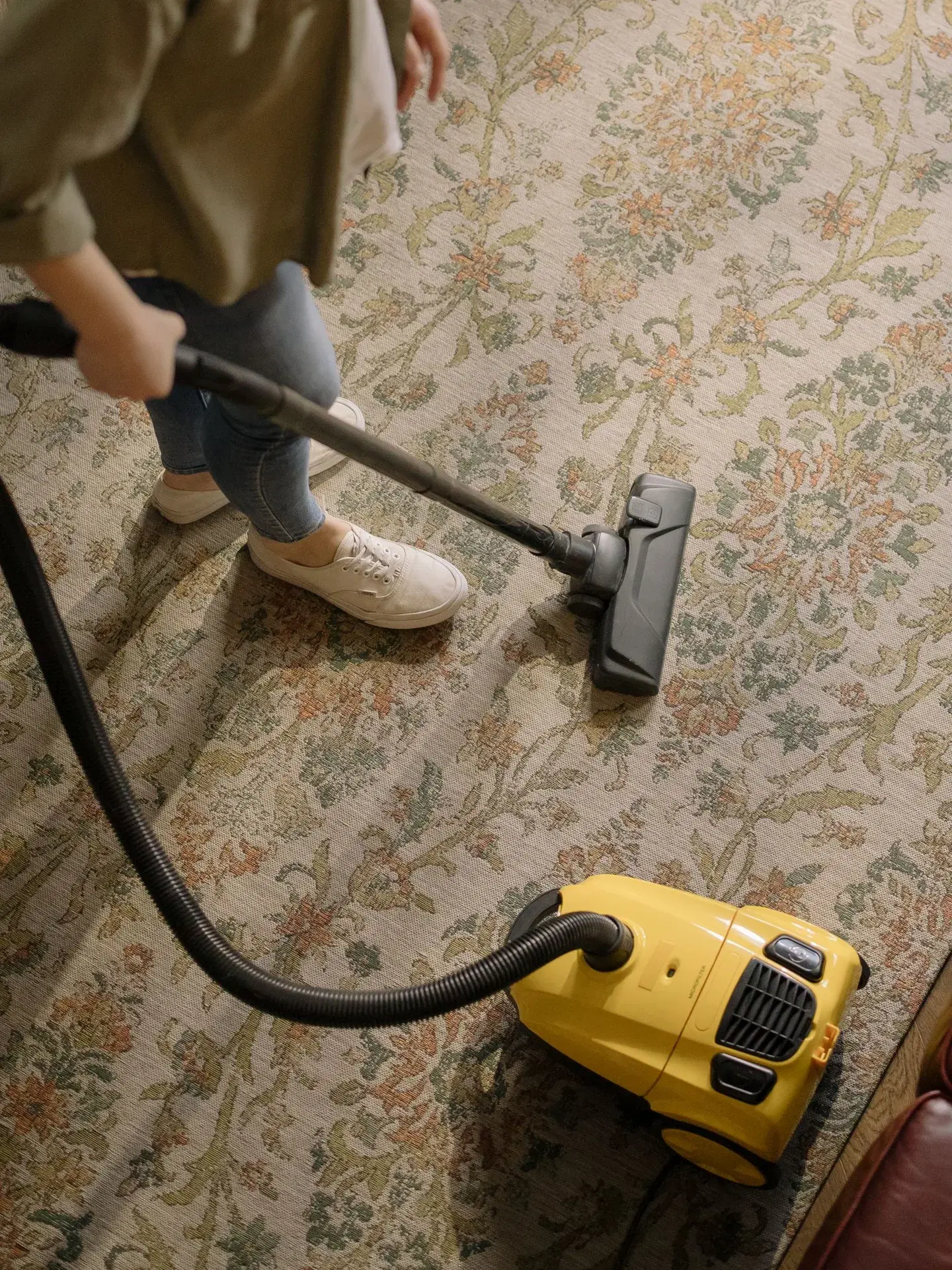
- Vacuums with the beater bar on: The rotating brush scratches the finish. Always use the hard floor setting instead.
How often should you clean hardwood floors?
Frequency depends on your household. Here's a simple guide:
- Daily: Sweep or dry mop, especially near entryways
- Weekly: Vacuum all hardwood surfaces
- Every 1-2 weeks: Damp mop with a pH-neutral cleaner
- Every 12-18 months: Book a professional deep clean to clear buildup that mopping alone can't reach
- Every 3-5 years: Refinish the floor if it shows heavy wear
Clean more often in winter. Cities like Ottawa and Toronto see constant salt, sand, and moisture tracked indoors. Homes with pets or kids need more frequent cleaning too. Pet nails, spilled drinks, and muddy paw prints all wear down the finish faster. For more on the surfaces around your home, see cleaning different kinds of floors in your home. If your pet is a dog, our dog mopping tips help too.
Long-term protection tips
- Place doormats inside and outside every entrance. This cuts down the grit that reaches your floors.
- Use furniture pads under chair and table legs. Even soft furniture causes deep scratches when dragged.
- Keep indoor humidity between 35-55%. Wood expands and contracts as humidity shifts. A humidifier in winter and dehumidifier in summer guards against gaps and warping.
- Trim pet nails regularly. Dog nails are a leading cause of surface scratches.
- Use area rugs in high-traffic zones like hallways and kitchens. They protect the finish where wear hits hardest, and regular carpet cleaning keeps those rugs from grinding dirt into the wood underneath.
- Skip high heels indoors. They dent and scratch the finish faster than bare feet or socks.
How to wash hardwood floors without streaks or water marks
Streaks after washing wood floors almost always mean too much water, not too little cleaner. Wring your mop until it feels barely damp, not wet, and buff each section dry with a microfiber cloth within a minute or two. If you're cleaning wood floors in a sunny room, work in smaller sections since the cleaner dries faster than you can wipe it. A dry, dedicated buffing cloth, not the mop pad, is what actually removes the streaks, since a damp pad just redistributes the same residue.
When it's time to call a professional
DIY care keeps your floors looking great day to day. But some jobs need a professional touch. Floors look hazy after mopping? Feel gritty after vacuuming? See worn finish in busy areas? It's time for a professional deep clean. Most hardwood floors in Canadian homes benefit from professional cleaning every 12-24 months. This clears buildup that household mopping leaves behind. Ezi sends vetted cleaning pros across Ottawa, Toronto, Gatineau, Montreal, Surrey, and Miami. Book a house cleaning and let us handle the floors.
Want more on what a professional clean covers? Read our guide on what a deep clean includes, or book a clean online in minutes.
How To
Frequently Asked Questions
How do you clean hardwood floors without damaging them?
Use a soft-bristle broom or vacuum on the hardwood setting daily. For mopping, use a microfiber mop wrung until barely damp with a pH-neutral cleaner. Never use a steam mop, a soaking wet mop, or vinegar. They damage the finish and can warp the wood.
Can you use vinegar to clean hardwood floors?
No. Vinegar is acidic. It slowly wears down the finish on hardwood floors. This makes them look dull and cloudy over time. Use a pH-neutral cleaner made for hardwood instead, or a few drops of mild dish soap in warm water.
Can you use a steam mop on hardwood floors?
No. Steam mops force hot moisture into the seams between planks. This causes swelling, warping, and finish damage. Most flooring warranties don't cover steam mop use either.
How often should hardwood floors be cleaned?
Sweep or dry-mop daily. Damp mop every 1 to 2 weeks. Clean more often in winter, when salt and moisture get tracked in. A professional deep clean every 12 to 18 months helps extend the life of your finish.
What is the best product to clean hardwood floors?
Use a pH-neutral cleaner made for hardwood, such as Bona Hardwood Floor Cleaner. Skip products that promise shine or polish. They leave residue that builds up over time. A few drops of mild dish soap in warm water also works well.
When should I call a professional to clean my hardwood floors?
Watch for a few signs. Floors look hazy after mopping. They feel gritty after vacuuming. Water no longer beads on the surface. Any of these means it is time for a professional clean. Most hardwood floors benefit from professional attention every 12 to 24 months.
How do you wash hardwood floors without leaving streaks?
Wring your mop until barely damp, mop small sections, and buff each one dry with a separate microfiber cloth right away. Streaks come from too much water or letting a cleaner dry on its own instead of wiping it dry.
Can you use a wet mop on wood floors?
No. A wet or soaking mop pushes water into the seams between boards, which swells the wood and causes cupping or warping. Always wring the mop until it's only barely damp before it touches a wood floor.
hardwood floors
floor cleaning
house cleaning tips
home maintenance
cleaning guide
clean wood floors
wash hardwood floors
Written by
Home Cleaning · Maintenance
Co-founder of Ezi Services and Draftbase, entrepreneur and builder focused on SaaS, AI, and growth — I turn ideas into scalable businesses using technology, automation, and relentless execution.