Best Cleaning Cloths and Sponges: A Buying Guide
By Samer Alsayegh · · Updated · 9 min read

Key Takeaways
- Microfiber removes up to 98% of bacteria with water alone; cotton removes far less
- Look for 250-400 GSM and an 80/20 polyester-to-polyamide blend
- Kitchen sponges can hold 20 million+ bacteria by week three, so replace weekly
- Skip fabric softener and high heat; both wreck microfiber's grip
- Color-code cloths (red, yellow, green, blue) to stop cross-contamination
Microfiber beats cotton for most home cleaning. Fine microfiber can remove up to 98% of bacteria with water alone, per EPA-cited lab tests. Cotton rags remove far less on their own. Sponges sit at the bottom of the list. They hold more germs than almost anything else in your kitchen.
This guide covers what to buy, how to care for it, and when to toss it.
Microfiber vs. cotton: the real gap
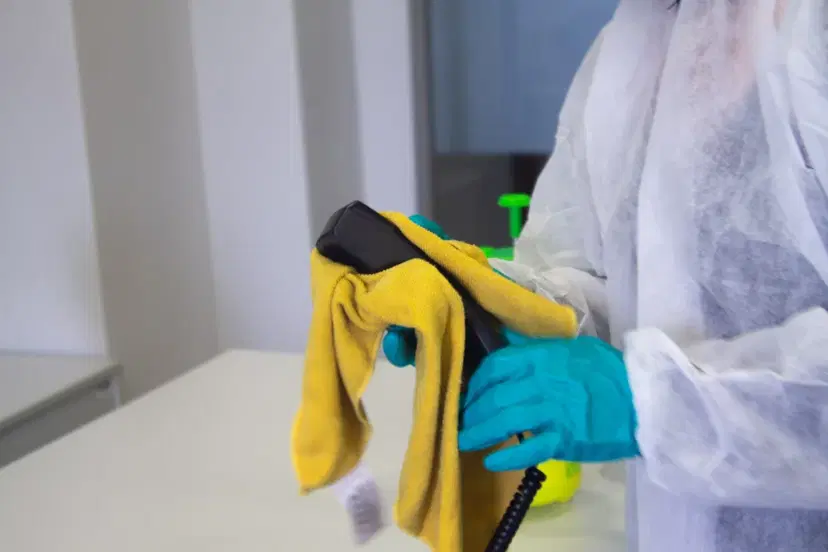
Microfiber is a blend of split polyester and polyamide fibers. Each strand splits into tiny hooks under a microscope. Those hooks grab dirt, grease, and germs instead of just pushing them around.
That's why microfiber pulls so much bacteria off a surface with plain water. A 2007 lab study found fine microfiber removed up to 98% of bacteria and 93% of viruses from a test surface, water only, no soap. A cotton rag on the same test barely moved the needle.
Microfiber also holds more water than cotton. A good microfiber cloth soaks up to seven times its own weight in liquid. Cotton holds closer to two or three times its weight. That's why a microfiber cloth wipes a spill in one pass, while a cotton rag often needs two or three.
Cotton still has a place. It's cheap, and it works fine for wet, rough jobs like scrubbing a grill or mopping up a big spill you plan to toss the rag after. For daily wipe-downs, dusting, and glass, microfiber wins on every count that matters. When water alone isn't enough, pair it with one of the best all-surface cleaners.
What "good" microfiber looks like on a label
Not all microfiber is equal. Two numbers on the tag tell you most of what you need to know.
GSM, short for grams per square meter, measures how dense the weave is. A thin, cheap cloth sits under 200 GSM and wears out fast. A solid all-purpose cloth runs 250 to 400 GSM. Anything above 400 GSM is a thick, plush cloth built for glass or fine dusting, not scrubbing.
Fiber blend matters too. Look for an 80/20 split of polyester to polyamide. That mix holds its shape wash after wash and keeps its grip on dirt. A cheap cloth with a vague "microfiber blend" label often skips this ratio and falls apart in a few months.
Weave style changes the job a cloth does best. A flat, smooth weave suits glass and mirrors, since it won't leave streaks. A terry loop or waffle weave holds more dirt and water, so it suits counters and floors. Check the weave before you buy a pack meant for one job and use it for another.
Sponges: why they're the riskiest tool in your kitchen
A used kitchen sponge holds more bacteria than almost any other spot in a home. A 2017 study of used kitchen sponges found more than 360 species of bacteria living in the average sponge. Bacteria counts on a week-old sponge often top 400,000 per square centimeter. By week two or three, that count can climb past 20 million.
The reason is simple. A sponge stays damp, holds food bits in its pores, and sits at room temperature for hours between uses. That's close to perfect for bacteria to grow. Microwaving or boiling a sponge cuts live bacteria some, but studies found it can also favor the toughest, most resistant strains that survive the heat.
The fix isn't a better sponge. It's a shorter life span. Replace a kitchen sponge weekly. If it smells sour or looks worn before then, toss it sooner. A sponge is cheap. The germs it spreads to your counters and dishes aren't worth stretching its life another week.
How to wash microfiber without wrecking it
Microfiber's grip on dirt comes from its tiny fiber hooks. Fabric softener coats those hooks in a waxy film and kills their pull almost for good. Skip fabric softener on any microfiber load, full stop.
Wash microfiber on its own, not mixed with cotton towels or clothes. Cotton sheds lint, and microfiber's hooks grab that lint fast, which dulls the cloth's grip over time. Use warm water and a small amount of mild detergent. Skip bleach too, since it breaks down the fibers early.
Dry on low heat or air dry. High heat can melt the fine synthetic fibers and flatten their grip for good. A well-cared-for microfiber cloth can handle 300 to 500 washes before it's worn out. One washed with fabric softener or high heat may lose its grip in under 50.
Natural and biodegradable options
Not every household wants a synthetic cloth. A few natural options hold up well.
A loofah, grown from a gourd plant and dried, works well for scrubbing dishes and produce. It's rough enough to lift stuck-on food but won't scratch most surfaces. It breaks down fully after its use, unlike a synthetic scrubber.
Cellulose sponges, made from wood pulp and cotton fiber, work for everyday wiping. They hold more water than a synthetic sponge and break down in a compost bin. They still need the same weekly replacement as any sponge, because plant-based doesn't mean germ-free.
Both options cost a bit more than a bag of synthetic sponges. For a household that wants to cut plastic waste, they're a fair trade. Allergy-prone? See where to buy hypoallergenic cleaning supplies (Canada buying guide).
Color-coding: the system pro cleaners use
A single cloth used across a whole house spreads germs from room to room. Bathroom germs end up on kitchen counters. That's the exact opposite of the point of cleaning.
A simple color system fixes this. Red cloths handle the toilet and the areas right around it, the highest-germ zone in the home. Yellow covers the rest of the bathroom: sink, tub, and counters. Green stays in the kitchen, for counters and food-prep areas. Blue covers everything else: living rooms, bedrooms, and general dusting.
Buy microfiber cloths in packs of these four colors and keep them separate. Wash them separately too, or at least keep red cloths out of any load with the others. This one habit, sold on the professional cleaning side as basic practice, is one of the simplest ways to stop cross-contamination in a home.
For more on the tools a cleaning routine actually depends on, see this list of products professional cleaners never leave home without. It covers what's worth buying beyond cloths and sponges. Hiring help instead? Most teams bring their own cloths, so check whether you need to provide cleaning supplies before you book. Or let Ezi's house cleaning service bring everything, and book online. See all house cleaning services.
Methodology
Bacteria and virus removal figures come from EPA-cited lab research on microfiber cleaning cloths. Sponge bacteria counts come from a 2017 peer-reviewed study on household kitchen sponges. Fiber blend, GSM, and care guidance reflect current 2026 manufacturer specs and professional cleaning trade sources.
The bottom line
Pick microfiber over cotton for most jobs, since it grabs more dirt and germs with just water. Check the tag for 250 to 400 GSM and an 80/20 poly-to-polyamide blend. Skip fabric softener and high heat when you wash it. Replace kitchen sponges weekly, no matter how clean they look. And split your cloths by color (red, yellow, green, blue) to stop germs from spreading room to room.
Frequently Asked Questions
Is microfiber really better than cotton for cleaning?
Yes. Lab tests found fine microfiber removes up to 98% of bacteria and 93% of viruses from a surface using water alone, while cotton removes far less on the same test.
How often should I replace a kitchen sponge?
Weekly. A 2017 study found bacteria counts on a used kitchen sponge can climb past 20 million per square centimeter by week two or three.
What GSM should I look for in a microfiber cloth?
250 to 400 GSM (grams per square meter) for a solid all-purpose cloth. Under 200 GSM wears out fast; above 400 GSM suits glass and fine dusting rather than scrubbing.
Can I put microfiber cloths in the dryer?
Only on low heat or air dry. High heat melts the fine synthetic fibers and flattens their grip for good, cutting a cloth's usable life from 300-500 washes to under 50.
Does fabric softener ruin microfiber cloths?
Yes. Fabric softener coats microfiber's tiny grabbing fibers in a waxy film that kills their pull on dirt almost for good. Wash microfiber without it, on its own load.
What does color-coding cleaning cloths actually prevent?
Cross-contamination. A red cloth for the toilet area, yellow for the rest of the bathroom, green for the kitchen, and blue for everywhere else keeps bathroom germs from reaching kitchen counters.
What is the best cleaning cloth?
A microfiber cloth of 250 to 400 GSM, with an 80/20 polyester-to-polyamide blend, is the best all-round choice. It picks up more dirt and germs than cotton with water alone. Use a flat weave for glass and mirrors and a terry or waffle weave for counters. Buy a pack in four colours so each room has its own.
cleaning cloths
microfiber
sponges
kitchen hygiene
buying guide
house cleaning
Written by
Home Cleaning · Maintenance
Co-founder of Ezi Services and Draftbase, entrepreneur and builder focused on SaaS, AI, and growth — I turn ideas into scalable businesses using technology, automation, and relentless execution.