How to Clean & Deodorize Your Fridge (Inside and Out)
By Samer Alsayegh · · Updated · 8 min read
Key Takeaways
- Cleaning a fridge fully takes about 30 minutes.
- Keep the fridge cold enough to slow germ growth.
- Wipe interior walls with a mild bleach mix.
- Swap the open box of baking soda every month.
- Give the whole fridge a deep clean every few months.
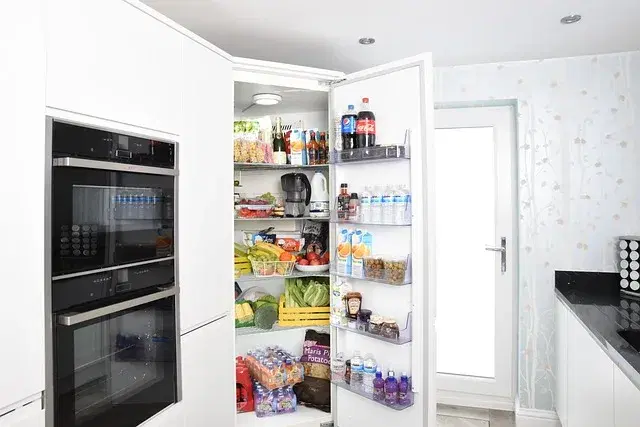
Clean a refrigerator by emptying it out first. Wash each shelf and drawer with hot, soapy water. Wipe the interior with a food-safe sanitizing solution, then dry everything before food goes back in. Health Canada recommends keeping your fridge at or below 4°C to slow bacterial growth. But a cold fridge only stays food-safe if it's clean too. Most odors come from spilled juice, forgotten leftovers, and soft produce in the crisper. Nobody checks that drawer often enough. The whole job takes about 30 minutes, using stuff you already have under the sink. This guide covers washing every surface, clearing fridge smells for good, and cleaning the door seal. It also covers when it makes sense to book a professional cleaning instead.
What's actually causing that fridge smell?
Fridge odors mostly come from volatile fatty acids. These are tiny airborne molecules released as food breaks down. Sour milk, rancid butter, and rotting produce all give off these compounds. Once in the air, they cling to plastic shelving and rubber seals. Baking soda fights back because it's a mild base that reacts with the acids. It turns smelly compounds into odorless salts instead of just masking them with fragrance. That's according to the McGill University Office for Science and Society.
A few repeat offenders show up in almost every smelly fridge:
- Forgotten leftovers pushed to the back of a shelf.
- A cracked egg or spilled sauce that seeped into a drawer.
- Soft fruit or vegetables breaking down in the crisper.
- A drip pan or door bin that never gets wiped out.
- Mold building up in the folds of the door gasket.
Clear these out first, and the deep clean below finishes the job.
How to clean a refrigerator properly, step by step
Start by taking it all out. Put perishables in a cooler so they stay at a safe temperature while you work. Check dates as you go. Anything past its prime goes straight in the trash, not back on the shelf.
Next, pull out every shelf, drawer, and door bin you can safely remove. Most slide out with a gentle lift and pull. Wash them in the sink with warm water and a few drops of dish soap. Use a soft cloth or sponge. Skip the dishwasher unless the manual says the parts are dishwasher-safe. A sudden temperature change can crack glass shelving. Rinse well and let it all air-dry on a towel while you tackle the interior.
For the interior walls, mix 5 mL of bleach per 750 mL of water. That's Health Canada's recommended ratio for sanitizing kitchen surfaces. Wipe each wall, the underside of the top shelf, and the inside of the door. Use a clean cloth dipped in the solution. Go over it all again with plain water to rinse off any residue before food goes back in. Prefer to skip bleach? A mix of equal parts white vinegar and water works nearly as well as a general disinfectant. It's milder against mold, though.
This is also a good time to pair the job with a wider kitchen routine. A regular clean-out for your dishwasher keeps every water-using appliance fresh. If the outside of the fridge looks streaky, check our guide to cleaning stainless steel appliances without streaks. It covers that in detail. If the detail work feels like more than you want to tackle solo, book a general house cleaning visit. It can fold right into your regular routine.
How to get rid of fridge smells for good
An open box of baking soda absorbs new odors as they form. But it won't erase a smell that's already deep in the plastic. Replace the box every 30 days. Set a phone reminder if you tend to forget. For a stronger reset, try a bowl of activated charcoal or cotton balls soaked in vanilla extract. These can override lingering smells while the baking soda works in the background.
Beyond the odor fix, put a full deep clean on a recurring schedule. Wipe spills the moment they happen. Plan a full clean, shelves and all, every three to four months. That schedule keeps you ahead of buildup, based on cleaning frequency guidance from the CDC. Wash the door bins and check use-by dates monthly. That way, nothing gets the chance to turn.
Cleaning the door seal and gasket
The rubber gasket around the door works hardest and gets cleaned least. It seals in cold air. Its grooves trap crumbs and damp, which makes it a prime spot for mildew. Wipe the folds with a soft cloth dipped in warm, soapy water. Then use an old toothbrush to reach into the creases where mold likes to hide. Rinse and dry completely. Avoid bleach directly on the rubber. Repeated use can dry it out and cause cracks that let cold air leak. Stick to dish soap, vinegar, or hydrogen peroxide instead.
While you're at it, check that the seal still holds. Close the door on a piece of paper, then pull. If it slides out with no resistance, the gasket may need a swap. A worn seal makes the compressor work harder and drives up power use.
Methodology
The steps and timing in this guide draw on food storage and cleaning guidance from Health Canada. They also draw on odor research from the McGill University Office for Science and Society. Cleaning frequency recommendations come from the CDC. All of it is checked against common care guides from shelf and gasket makers.
When to call a professional
A DIY clean handles most fridges, but a few situations call for backup. If mold has spread past the gasket and into the wall seams, a professional visit can dig deeper. The same goes if the smell doesn't budge after a full wipe-down. Booking a house cleaning service that covers appliance interiors also saves time. That's handy if the fridge is one stop on a longer to-do list, alongside stovetops, counters, and floors.
A clean fridge comes down to three habits. Wash the removable parts often. Keep an open box of baking soda working in the background. Give the door seal the same attention as the shelves. Keep it up each month or two, and you'll dodge the mystery smells. You'll also skip the long deep-clean that comes from letting things slide. If it's one more thing on a packed schedule, book a cleaning. Let a professional handle the fridge along with the rest of the kitchen. Working through the rest of the kitchen today? See the 9 signs your kitchen needs a professional deep clean for the full appliance-by-appliance rundown.
How To
Frequently Asked Questions
How do you clean a refrigerator properly?
Empty the fridge, wash every removable shelf and drawer with warm water and dish soap, then wipe the interior walls with a food-safe sanitizing solution of 5 mL bleach per 750 mL water, per Health Canada guidance. Rinse with plain water and let everything dry before putting food back in.
How often should you deep clean a fridge?
Deep clean a refrigerator every three to four months, wiping up spills as they happen in between, based on cleaning frequency guidance referenced by the CDC. Households with young kids, pets, or frequent takeout leftovers may benefit from a monthly check instead.
What's the best way to get rid of fridge smells?
An open box of baking soda neutralizes fridge odors by reacting with the acidic compounds food releases as it breaks down, turning them into odorless salts. Replace the box every 30 days, and pair it with a full wipe-down for smells that don't clear on their own.
Is it safe to use bleach to disinfect a refrigerator?
Yes, a diluted bleach solution is safe for interior fridge walls when mixed at Health Canada's recommended ratio of 5 mL bleach per 750 mL water and rinsed off with plain water afterward. Avoid using bleach directly on the rubber door gasket, since it can dry out and crack the material over time.
How do you clean mold off a fridge door seal?
Wipe the gasket folds with warm, soapy water or a mix of equal parts white vinegar and water, using an old toothbrush to reach into the creases where mold hides. Rinse and dry the seal completely, and skip bleach on the rubber to avoid cracking.
Why does my fridge smell bad even after cleaning?
A lingering smell after cleaning usually means the odor has soaked into a porous spot like a door gasket, a drip pan, or a cracked shelf liner rather than a surface spill. Check those areas specifically, and consider a bowl of activated charcoal alongside baking soda for a stronger reset.
How do you clean a fridge water dispenser?
Wipe the spout and paddle with a cloth dipped in white vinegar, and use a cotton swab inside the nozzle. Pull out the drip tray and wash it in hot, soapy water. After each water filter change, run a few litres through the dispenser to flush the line, as most fridge manuals advise.
fridge cleaning
refrigerator
kitchen cleaning
deodorizing
food safety
Explore more
Written by
Home Cleaning · Maintenance
Co-founder of Ezi Services and Draftbase, entrepreneur and builder focused on SaaS, AI, and growth — I turn ideas into scalable businesses using technology, automation, and relentless execution.