How to Clean Blinds: The Fastest Methods by Blind Type
By Samer Alsayegh · · Updated · 9 min read
Key Takeaways
- A full window of blinds takes 5 to 10 minutes to clean
- Dust blinds weekly and deep clean monthly for most households
- Real wood blinds should never touch water or liquid cleaners
- Faux wood and aluminum blinds tolerate a damp vinegar-water wipe
- Allergy-prone or pet-owning homes should clean blinds weekly
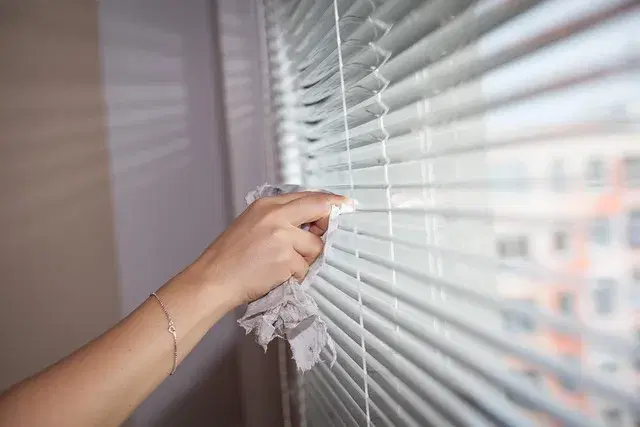
The fastest way to clean blinds is to close them fully, vacuum both sides with a brush attachment, then wipe each slat with a microfiber cloth or "sock" dampened in a vinegar-and-water solution, a full window's worth of blinds takes about 5 to 10 minutes this way. Blinds collect dust faster than almost any other surface in the home because their slats create dozens of narrow, horizontal ledges that trap airborne particles, and Consumer Reports notes that dust and grime can build into a sticky film if blinds go too long between cleanings. Left too long, that light coating turns a five-minute wipe-down into an afternoon project involving soap, degreaser, and a lot of patience. The right method also depends on what the blinds are made of: aluminum venetian blinds can handle a damp cloth, but real wood blinds can warp permanently if they ever touch water. Below is the fastest cleaning method for each common blind type, how often to do it, and when it's worth handing the job to a professional cleaning service instead.
Why blinds get dirty faster than other surfaces
Blinds sit directly in a window's airflow path, so they catch dust circulating from HVAC vents, open windows, and everyday foot traffic before it ever settles elsewhere in the room. Their horizontal or vertical slats also multiply surface area, a single 3-foot-wide venetian blind can have more than 30 individual edges for dust to cling to, compared with a single flat windowsill. Sunlight exposure makes the problem worse: heat and UV can bake loose dust into a tackier residue on plastic and faux wood slats, which is why blinds that looked fine a month ago suddenly need scrubbing instead of dusting.
Household factors change how often this buildup happens. Homes with pets or with a smoker, or kitchens where blinds sit near a stove, accumulate grime noticeably faster than a dust-only bedroom window. That's part of why cleaning experts recommend a weekly quick dust and a monthly deeper wipe-down for most households, with weekly deep cleaning for allergy-prone homes to keep dust and dander from settling into the slats.
The fastest universal method: The vacuum-and-sock trick
For most blind materials, aluminum, vinyl, faux wood, and fabric, this combination clears dust in a fraction of the time of hand-wiping slat by slat:
- Close the blinds completely so the flat side of each slat faces you.
- Vacuum top to bottom using a brush attachment on the lowest suction setting, then rotate the wand and repeat on the other side.
- Pull a microfiber cloth over your hand like a sock (or use tongs with a cloth clamped between them) and run it across both sides of each slat in one motion.
- For sticky or greasy spots, dampen the cloth in a solution of equal parts white vinegar and warm water, then follow immediately with a dry cloth.
- Open the blinds fully and repeat on the reverse angle to catch any missed sections.
Skip the vinegar-water step entirely on real wood blinds, more on that below, and stick to dry dusting instead.
How to clean venetian blinds (aluminum & metal slats)
Venetian blinds are the fastest type to maintain because their metal or hard plastic slats tolerate light moisture without warping. A weekly pass with a soft duster or the microfiber sock, wiping from the middle outward, keeps dust from building up between deeper cleans. Once a month, use a damp cloth with a drop of mild dish detergent (or a baby wipe) on each slat, then dry immediately with a second cloth to prevent water spots on the metal. For grimy kitchen or bathroom blinds, this same routine works well alongside a broader general home cleaning visit, since blinds are one of the most commonly skipped spots during a quick tidy.
How to clean vertical blinds
Vertical blinds, common on patio doors and large windows, are usually vinyl, fabric, or aluminum louvers that hang individually rather than stacking. Vacuum each louver from top to bottom with a brush attachment before wiping, since dust tends to collect unevenly along the vertical seams. Vinyl and aluminum vanes can be wiped with a damp cloth the same way as venetian slats. Fabric vertical louvers are more delicate, many detach individually from the top track for spot-cleaning or a gentle hand wash, but always check the care tag first, since not all fabric vanes are washable. Because vertical blinds often cover larger openings, they're a good candidate to fold into a seasonal room-by-room cleaning routine rather than tackling them alone.
How to clean faux wood blinds
Faux wood blinds are essentially PVC or composite, so they handle both vacuuming and light moisture well, closer to venetian blinds than real wood. Close the blinds, hold the bottom rail steady, and vacuum one side on the lowest suction setting before flipping to the other side; too much suction can warp lightweight slats over time. For grease or handprints, the equal-parts vinegar-and-water solution cuts through grime effectively without leaving a residue, but always dry each slat immediately with a second cloth. Because faux wood blinds are common in kitchens, they're a good addition to a deep cleaning checklist a few times a year, when buildup goes beyond a quick weekly dust.
How to clean real wood blinds
Real wood blinds should never be cleaned with water or liquid cleaning products of any kind, timber slats absorb moisture and can warp, crack, or discolor permanently as they dry. Dust weekly with a microfiber cloth or feather duster, working from the top down so loose dust falls away from already-cleaned slats. For a deeper clean a few times a year, use a wood-safe furniture polish or conditioner applied sparingly to a dry cloth, never sprayed directly onto the slats. If you prefer to keep chemical products to a minimum around wood finishes, a natural, eco-friendly cleaning approach works just as well for routine dusting. The wood around the window deserves the same care, so see the best way to clean wooden window frames.
Methodology
The cleaning frequencies and material-specific methods in this guide are based on published care guidance from Consumer Reports and manufacturer cleaning instructions from Bissell, cross-referenced against household-specific recommendations from cleaning industry trade sources. The weekly-dust, monthly-deep-clean baseline reflects the range most consistently cited for average households, while the weekly recommendation for allergy-prone or pet-owning homes reflects the more frequent schedules those same sources recommend to limit dust and dander buildup between cleanings.
When to call a professional
Blinds are quick to maintain weekly, but a full deep clean, every slat, both sides, every window in the house, adds up fast, especially in larger homes or rentals between tenants. A professional house cleaning service typically folds blind dusting into a standard visit and can handle full slat-by-slat deep cleans as part of a move-in, move-out, or seasonal deep clean. If your blinds haven't been touched in months, or you're prepping a home for a new tenant or listing, it's often faster to book a cleaning than to spend a weekend working through every window in the house.
Keeping blinds clean comes down to matching the method to the material: aluminum and faux wood tolerate a quick vacuum-and-damp-wipe routine, vertical louvers need attention to their vertical seams, and real wood should only ever be dusted dry. A weekly quick dust and a monthly deeper wipe-down will keep most households ahead of buildup, with weekly cleaning recommended for allergy-prone or pet-owning homes. When the dust has outpaced the schedule, a professional deep clean can reset every window in the house in a single visit. For every other surface in the house, our how-to-clean index links to the right technique.
How To
Frequently Asked Questions
How often should I clean my blinds?
Most households should dust blinds weekly and do a deeper wipe-down monthly to stay ahead of buildup. Allergy-prone households and homes with pets should clean weekly to limit dust and dander accumulating in the slats.
What's the fastest way to clean venetian blinds?
The fastest method is closing the blinds, vacuuming both sides with a brush attachment, then wiping each slat with a microfiber cloth wrapped around your hand. A full window takes about 5 to 10 minutes this way, versus much longer with slat-by-slat hand wiping alone.
Can I clean wood blinds with water?
No, real wood blinds should never be cleaned with water or liquid cleaners, since timber slats absorb moisture and can warp, crack, or discolor as they dry. Dust them weekly with a dry microfiber cloth or feather duster instead.
Can faux wood blinds get wet?
Yes, faux wood blinds tolerate light moisture since they're made of PVC or composite material rather than real timber. A vinegar-and-water solution on a damp cloth removes grease and grime safely, as long as each slat is dried immediately afterward.
How do I clean vertical blinds without taking them down?
Vacuum each louver from top to bottom with a brush attachment, then wipe vinyl or aluminum vanes with a damp cloth the same way you would venetian slats. Fabric vertical louvers often detach individually from the top track if they need a deeper spot clean.
Why do blinds get so dusty so fast?
Blinds sit directly in a window's airflow path and their slats create dozens of narrow horizontal or vertical edges, giving dust far more surface area to cling to than a flat surface like a windowsill. Sunlight exposure can also bake loose dust into a stickier residue over time.
how to clean blinds
blind cleaning
venetian blinds
vertical blinds
faux wood blinds
house cleaning tips
Written by
Home Cleaning · Maintenance
Co-founder of Ezi Services and Draftbase, entrepreneur and builder focused on SaaS, AI, and growth — I turn ideas into scalable businesses using technology, automation, and relentless execution.