How to clean floors with a dog without cleaning all day
By Samer Alsayegh · · Updated · 11 min read
Key Takeaways
- Mop kitchens and entryways every 2 to 3 days with a dog in the house.
- Dry paws at the door, between the toes, after every walk.
- Enzymatic cleaner beats regular soap on drool and urine spots.
- Wash food bowls daily. Pet bowls rank 4th germiest item in a home.
- Nearly 1 in 4 Americans call pet hair their top cleaning problem.
Keeping your floors clean with a dog comes down to three habits. Wipe paws at the door. Mop high-traffic zones every two to three days. Vacuum daily to catch loose fur before it spreads. Skip any one of these and the mess catches up fast. In one survey, 23.9% of Americans called pet hair their single biggest cleaning challenge. That beat even the mess kids leave behind. A good routine fixes this without turning you into a full-time cleaner.
What actually gets tracked into your home
A dog's paws carry more than dirt. Mud can hold E. coli and salmonella. It can also carry parasite eggs and lawn pesticide residue. Your dog crosses the living room, jumps on the couch, and that residue spreads. It lands on every surface your family touches.
Fur adds to the load. Dogs have close to 15,000 hairs per square inch of skin. Daily shedding adds up fast, even between seasonal blowouts. One study tracked a female German shepherd's hair loss. She shed about 5 grams a week most of the year. That jumped to 70 grams right before her season started.
Dander is part of this too. A study in the American Journal of Rhinology and Allergy tested 173 homes. It found detectable dog allergen in 94.2% of them, whether or not the dog was labelled hypoallergenic. That's why regular vacuuming matters even in homes without visible fur on the floor.
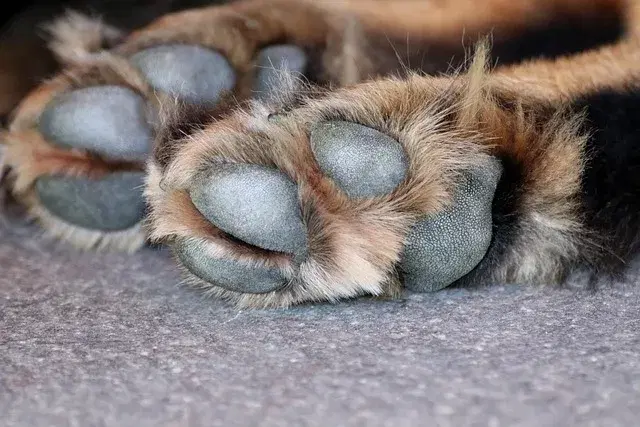
Paws add one more risk. They sweat between the toes. That stays warm and damp long after a walk. Bacteria grow well in that kind of spot. It's one reason vets recommend drying paws fully, not just wiping off visible mud.
Breed matters too. Double-coated breeds, like huskies and German shepherds, shed the most during spring and fall coat blowouts. A slicker brush or de-shedding tool used two to three times a week during those seasons pulls loose undercoat out before it ever reaches the floor. Single-coated breeds shed less overall, but no dog sheds zero. Regular brushing outside, not on the carpet, cuts down what your vacuum has to handle indoors.
Build a mopping routine that actually keeps up
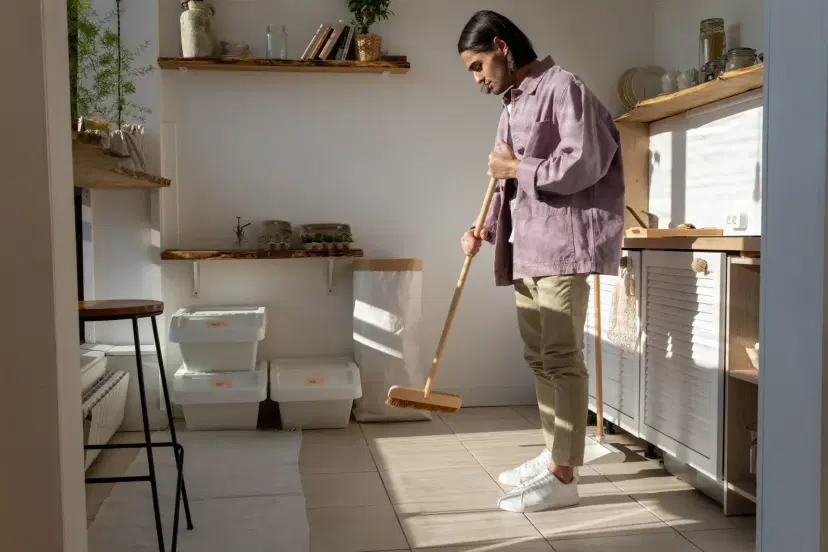
Most pet-free homes mop every one to two weeks. With a dog, cut that down. Aim for every two to three days in kitchens, entryways, and hallways. Anywhere paws travel most needs the extra pass.
Sweep or dry-vacuum first. This lifts loose fur and grit before it gets wet. Then damp mop. A wet mop on dry fur just smears it into streaks instead of lifting it.
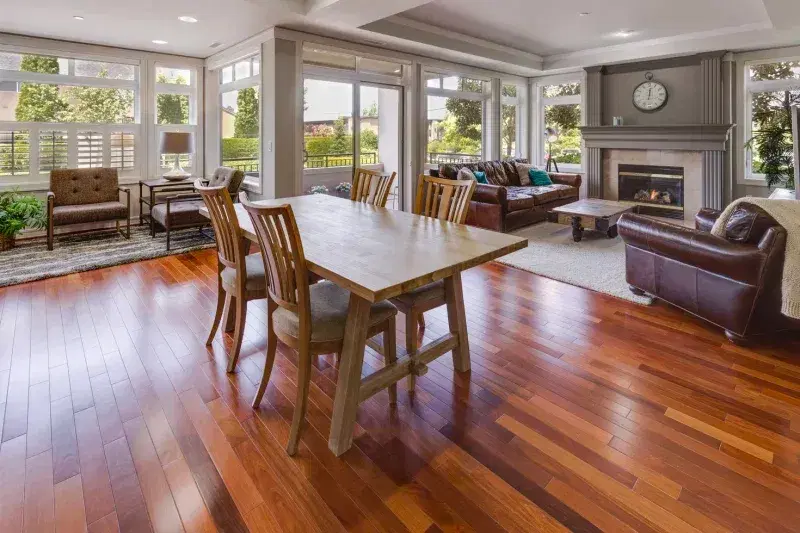
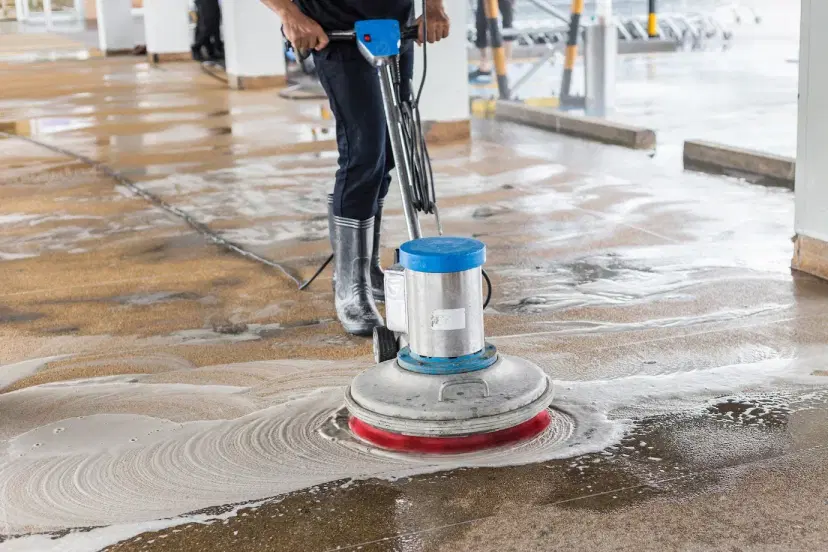
Skip the wet mop for a flat microfiber pad instead. It grabs fur through static cling rather than pushing it around. If your home has hardwood, use a pH-neutral cleaner only. Keep the mop barely damp. Dog nails already stress a hardwood finish. Standing water on top of that speeds up warping. Our guide on cleaning hardwood floors without damaging them covers the full routine for that flooring.
A quick mop still misses buildup in grout lines, baseboards, and tight corners where fur collects. A professional deep cleaning service clears that out, so your daily routine has less to fight.
The muddy paw problem most owners skip
Here's the gap most routines miss. More than four in ten pet owners handle muddy paw prints less than once a week. That's true even though paw prints are one of the messes tracked in most often. That's a long window for bacteria and salt to sit on your floors.
The fix takes about 30 seconds per walk. Keep a towel or dog-safe wipes by the door. Dry every paw, including between the toes, before your dog gets past the entryway.
Winter raises the stakes. The Ontario SPCA says to wash and dry paws after every walk. The goal is clearing off de-icing salt, which irritates paw pads. That same salt dulls a floor finish once it's tracked inside, the same way road grit does.
A washable mat outside and inside your door catches most of what a towel misses. It's a small habit that cuts how often you need to mop the entryway at all.
Drool, accidents, and why regular cleaners fall short
Drool and old urine spots need a different approach. Everyday grime just needs soap and water. These stains don't. Regular soap can mask a smell for a while. But it doesn't break down the proteins and uric acid that cause dog urine odor to return. That's especially true once it's dried into a hardwood seam or soaked under a rug.
Enzymatic cleaners work differently. They use live, safe bacteria. Those bacteria make enzymes that break down the smell instead of just wiping it away. That's why they're the go-to fix for pet accidents on wood, tile, or carpet. Skip the all-purpose spray for these.
Blot the spot dry first. Apply the enzymatic cleaner per the label. Let it sit long enough to actually work. Wipe it off too soon and the smell comes back within days. Did the mess reach a rug or carpet? Our carpet cleaning guide covers stain removal in more depth than a quick blot allows.
Not every product marked "pet-friendly" belongs in daily use. Some common household cleaners aren't safe for a dog that walks and licks the same floors you mop. Check our breakdown of pet-safe cleaning products before you restock your cabinet.
Protecting hardwood and carpet from daily wear
Dog nails act like sandpaper on a hardwood finish. Every run across the room adds tiny scratches. Trim nails on a regular schedule to cut down that wear. Area rugs in busy zones give the finish a break right where it takes the most abuse.
Carpet has its own wear pattern. Fur works down into the backing faster than it looks from the surface. A vacuum built for pet hair clears far more of it. Look for one with a beater bar and a strong filter.
Water and drool on carpet fibers feed the same bacteria that cause odor on hard floors. Blot spills right away on carpet, the same as you would on wood.
Don't forget the water bowl, bedding, and toys
Floors aren't the only spot bacteria build up. NSF International tested everyday household items for germs. The pet food bowl ranked fourth on the list, behind only the kitchen sponge, the sink, and the toothbrush holder. Yeast and mould turned up in 45% of the bowls tested. Coliform bacteria showed up in 18%.
Wash food and water bowls daily with hot soapy water, the same as you would a plate. Wash bedding weekly on a hot cycle to clear dander and drool before it works into your carpet or couch. Hard toys wipe clean with a pet-safe disinfectant. Rotate soft toys through the wash on the same schedule as bedding.
This step matters more than it sounds. A dog's bowl, bed, and favourite toy all sit on or near your floors most of the day. Skip cleaning them and you're re-seeding the floor you just mopped.
A quick frequency checklist
Here's how the routine breaks down once you put it all together:
- Daily: vacuum floors, wipe paws at the door, wash food and water bowls.
- Every two to three days: damp mop kitchens, entryways, and hallways.
- Weekly: wash bedding and soft toys on a hot cycle, wipe down hard toys.
- Every 12 to 18 months: book a professional deep clean for grout, baseboards, and buildup a daily routine can't reach.
The cleaning task owners actually skip
Most advice on cleaning with dogs stops at "vacuum more." The real survey data points somewhere else. Muddy paw prints, chewed-up items, and scavenged trash are the messes pet owners tackle least. Over 40% handle these less than once a week. Fur and spilled food get wiped up the same day by most owners. Paw prints don't.
That gap matters. Paw prints carry the bacteria and outdoor residue covered above, not just visible dirt. Fur and spills might already be part of your routine. But if paw prints keep slipping through, that's the habit worth adding first. It closes the biggest gap between what gets cleaned and what actually needs it.
Methodology
The frequencies and findings in this guide come from a few sources. Cleaning habits and time-spent figures draw on a 2026 Ecovacs consumer survey of pet owners. Paw care guidance comes from the Ontario SPCA. Hardwood finish care follows recommendations from the National Wood Flooring Association. Shedding and allergen figures come from published veterinary and allergy research cited above. Product claims stay limited to what those sources or manufacturer documentation actually support.
When to call a professional
A solid daily routine handles fur, paw prints, and small accidents. It won't undo months of ground-in grime in grout lines. It won't lift a urine smell that's worked into subflooring, either. And it won't clear carpet fibers packed with fur past what a home vacuum reaches. Heavy shedders and multi-pet homes may need it more often, so check how often a home with pets should be professionally cleaned.
That's where a professional house cleaning earns its cost. It resets the baseline your daily routine is trying to hold. Ezi connects you with vetted service providers across Canada. They know how to work around pets. No harsh chemicals, no shortcuts that leave a dog household worse off.
Conclusion
A dog in the house doesn't mean choosing between a clean floor and your sanity. Wipe paws at the door. Mop busy areas every two to three days. Reach for an enzymatic cleaner the moment an accident happens. Do this, and most daily mess never gets the chance to set in. Ready for a deeper reset? Book a house cleaning and let a pro handle the rest.
How To
Frequently Asked Questions
How often should you mop floors with a dog in the house?
Mop kitchens and entryways every two to three days when you have a dog. A pet-free home can go one to two weeks between mops. Vacuum first to lift loose fur. Then damp mop, so you're not smearing hair with a wet cloth.
What's the best way to clean muddy dog paws?
Dry each paw with a towel or dog-safe wipe right when your dog comes inside. Don't skip between the toes. This takes about 30 seconds per walk. It stops mud, bacteria, and de-icing salt from spreading through the house.
What removes dog urine smell from floors for good?
Enzymatic cleaners remove dog urine smell for good. They use live bacteria to break down the smell instead of masking it. Blot the spot dry first. Apply the cleaner per the label. Let it sit long enough to work before you wipe it away.
How much do dogs actually shed?
Shedding varies a lot by breed and season. One tracked case saw a female German shepherd shed about 5 grams of hair a week most of the year. That jumped to 70 grams before her cycle. Double-coated breeds shed heaviest in spring and fall. Vacuum daily during those seasons.
Is pet hair really a bigger cleaning problem than kids?
Yes, for many households. Nearly 1 in 4 Americans (23.9%) call pet hair their top cleaning problem, in one survey. Only 17.1% say the same about mess from kids. Daily vacuuming and a mop with a fur-safe pad keep up with it best.
How often should you wash a dog's food bowl?
Wash a dog's food and water bowls daily with hot soapy water. NSF International tested household items for germs. Pet bowls ranked fourth on the list. Mould or yeast turned up in 45% of the bowls tested.
dog cleaning tips
pet hair
house cleaning tips
muddy paws
home maintenance
Explore more
Written by
Home Cleaning · Maintenance
Co-founder of Ezi Services and Draftbase, entrepreneur and builder focused on SaaS, AI, and growth — I turn ideas into scalable businesses using technology, automation, and relentless execution.