How to Remove Berry Stains (Get Blueberry Stains Out of Clothes)
By Samer Alsayegh · · Updated · 12 min read
Key Takeaways
Flush the stain with cold water immediately, then treat with dish soap and hydrogen peroxide before washing. Skip warm washes and the dryer until the stain is confirmed gone, since slow heat sets the pigment permanently. On sturdy cotton or linen, a fast stream of boiling water is the one heat method that works.
The fastest way to get a berry stain out is a cold-water flush, immediately. Flush the fabric from the back with cold water within the first 30 minutes, then treat with dish soap and hydrogen peroxide before it ever sees a dryer. On sturdy cotton or linen, a kettle of boiling water poured through the stain works too. It's warm washes and dryer heat that set berry pigment for good.
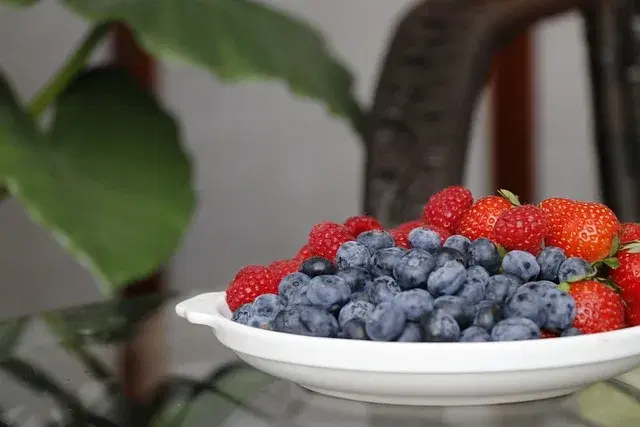
Blueberries in the car seat, strawberry juice on a white tee, a smear of blackberry jam on the good tablecloth: berry season is delicious and messy in equal measure. Berries carry natural pigments called anthocyanins that bind fast to fabric fibres, which is exactly why the stain that looked faint five minutes ago is suddenly very purple by the time you notice it. The good news: with the right method and a little speed, most berry stains come out completely, even after they've dried.
Why are berry stains so hard to remove?
Berry stains are hard to remove because their pigment (anthocyanin) is water-soluble and sets permanently when exposed to heat over time. Once a berry stain sits in warm water, tumbles in a hot dryer, or bakes in direct sun, the colour molecules bond to the fabric and become far harder to lift.
That's the single most important rule of berry stain removal: no warm washes and no dryer until you've confirmed the stain is gone. Slow, gentle heat is what turns a treatable stain into a permanent one. (A hard stream of boiling water is the one exception, and we cover it below.)
How do you get a fresh berry stain out of clothes?
For a fresh berry stain, flush the back of the fabric with cold water for 1–2 minutes, then treat with a dish soap and hydrogen peroxide solution before washing on cold. Here's the full sequence:
- Scrape off any pulp or seeds with a spoon or dull knife. Don't rub, or you'll push pigment deeper into the fibres.
- Turn the garment inside out and run cold water through the back of the stain for 1–2 minutes to push pigment out the way it came in.
- Mix 1 tablespoon dish soap with 10 oz cold water, apply to the stain, and blot with a clean cloth. Don't scrub.
- If colour remains, apply 3% hydrogen peroxide directly to the stain (test on a hidden seam first, since it can lighten some dyes). Let it sit for 5–10 minutes.
- Wash on the coldest cycle the fabric allows, then air dry and check the spot before it ever touches a dryer.
This same routine works for blueberries, strawberries, raspberries, blackberries, and cherry juice, since the pigment chemistry is nearly identical across berries.
Hot or cold water for berry stains?
Use cold water for the first flush and the wash, and never put a berry stain through a warm wash or the dryer. The one exception is the boiling-water method: on sturdy cotton or linen, a fast stream of boiling water poured through a fresh stain flushes the pigment out before it has time to set.
The difference is time and force. A hard stream of boiling water pushes pigment straight through the fabric in seconds, while a warm soak or a dryer cycle gives it minutes to bond with the fibres.
How does the boiling water method work?
- Lay the stained item flat in the bottom of a bathtub or sink, or stretch the stained area over a heat-safe bowl.
- Boil a full kettle (100°C).
- Stand clear and pour the water in a steady stream onto the stain from at least 30 cm above. The higher you pour, the more force the water has to drive the pigment out.
- Keep pouring until the colour is gone, then wash on cold and air dry.
A few rules keep this safe for you and the fabric:
- Fresh stains only: it works best right away and still works within 24 hours, but not on anything that's already been washed or dried.
- Sturdy fabrics only: cotton, linen, and colourfast whites. Skip silk, wool, polyester and other synthetics, stretch fabrics, and anything labelled "cold wash only."
- Mind the splash: boiling water scalds. Keep kids and pets out of the room and pour away from your body.
If you're unsure about the fabric, stick with the cold-water routine above. It's slower but safe on almost everything.
How do you get blueberry stains out of clothes specifically?
Blueberry stains come out with the exact same cold-water routine as any other berry: flush from the back with cold water, treat with a dish soap solution, then hydrogen peroxide if colour remains, and wash on cold before the fabric ever touches a dryer.
What makes blueberries worth calling out on their own is concentration. Their anthocyanin pigment is denser than most other berries, which is why a blueberry stain looks darker and spreads faster than a strawberry or raspberry stain of the same size. Two things matter more here than with other berries:
- Speed: treat within the first 30 minutes if you can. A blueberry stain that sits for an hour is noticeably harder to fully lift than one treated immediately.
- No warm rinse: even lukewarm water is enough to start setting blueberry pigment. Use cold tap water for the flush and the wash cycle, or the boiling-water flush on sturdy cotton.
Blueberry stains on light-coloured fabric (white shirts, light denim, kids' clothes) respond especially well to the hydrogen peroxide step, since the bleaching action targets exactly the deep purple-blue pigment that makes these stains so visible.
Can you use white vinegar on blueberry stains?
Yes, white vinegar is a good backup if you have no hydrogen peroxide. Check the care label first, then soak the stained fabric for 15 minutes in a mix of 1 part white vinegar to 2 parts cold water. Blot, rinse with cold water, and wash on cold. Vinegar's mild acid shifts the pigment and helps loosen it from the fibres, so it works best on fresh stains. Air dry and only use the dryer once the stain is completely removed.
Can you use lemon juice on berry stains?
Yes, lemon juice works on fresh berry stains, especially on whites. Saturate the stain with undiluted lemon juice (or rub a cut lemon over it), let it sit for 5–30 minutes, then rinse with cold water and wash on cold. Its citric acid loosens the pigment much like vinegar does. Spot-test coloured fabric first, since lemon can lighten dyes, and keep coloured items out of direct sun while the lemon is on, because the combination bleaches.
How do you remove a dried or set-in berry stain?
For a dried or heat-set berry stain, soak the fabric for 24 hours in a solution of oxygen-based bleach (like OxiClean) and cool water, then gently brush the area before washing on cold. This works on stains that already went through the wash once and are still visible.
A baking soda paste is a good middle-ground option for stains that are dry but haven't been through a hot dryer yet:
- Mix 3 tablespoons baking soda with 1 tablespoon water into a thick paste.
- Spread it over the stain and let it sit for 30 minutes.
- Brush off the dried paste and launder on cold as usual.
If a stain has already been through the dryer, treat it like a set-in stain and expect to repeat the oxygen-bleach soak once or twice rather than expecting a single quick fix.
What about berry stains on carpet or upholstery?
On carpet or upholstery, blot (never rub) with a cold dish soap solution, then dab with a vinegar-and-water mix if colour remains, and always blot from the outside of the stain inward so it doesn't spread. Because carpet fibres and padding hold moisture longer than clothing, a stain that looks lifted on the surface can wick back up as it dries. Blot with a dry towel and press down firmly to pull the last of the moisture out.
Berries on carpet are one of the more common calls we get, along with red wine and pet accidents. If a stain has already dried into the pile or you're dealing with a larger spill, a professional carpet cleaning visit will pull pigment out of the padding that a home treatment can't reach. Our full carpet stain removal guide covers the technique in more depth, and our roundup of the benefits of regular carpet cleaning in Ottawa explains why routine visits catch problems like this before they set in.
Does this method work on white clothes and delicate fabrics?
Yes, the cold water and dish soap method is safe on white clothes and most delicates, but hydrogen peroxide should always be spot-tested first since it can lighten some dyes and weaken silk fibres with repeated use. On whites, hydrogen peroxide is actually a bonus: it does double duty as a mild bleaching agent, so it's often the fastest route to a truly invisible stain.
For silk, wool, or anything labelled dry-clean-only, skip the peroxide and the boiling-water method, and stick to cold water and a gentle dish soap solution, blotted rather than rubbed. Take the garment to a professional cleaner if the stain is still visible after that first pass. Repeated home treatment on delicate fibres tends to do more damage than the original stain.
Methodology
The treatment steps in this guide are drawn from laundry-care guidance published by appliance makers Maytag and Speed Queen and cleaning-product manufacturer Clorox, cross-checked against consumer cleaning resources The Kitchn and Molly Maid. The boiling-water method follows Epicurious's kettle technique and Apartment Therapy's blueberry stain test, where boiling water plus a vinegar soak scored 4.5 out of 5 for results. The lemon juice option follows Maytag's pre-treatment guidance. Where sources disagreed on timing (soak length, peroxide contact time), we used the more conservative figure to reduce the risk of fabric damage. Curious what pros reach for beyond dish soap and peroxide? Our roundup of the top cleaning products professional cleaners use covers the rest of the kit. For other stubborn fabric mishaps, see our guide on how to get gum out of clothes.
When it's time to call a professional
If a berry stain has set into carpet, a rug, or upholstery, or a spill happened before a move-out inspection, home remedies can only do so much once pigment has worked into padding or a delicate fabric. Ezi connects you with vetted house cleaning providers who bring the right extraction equipment and treatments for the fabric you actually have. You can book a cleaning in a few taps and get an upfront price before anyone steps through the door.
The bottom line
Cold water fast, dish soap and hydrogen peroxide next, and the dryer last (only once the stain is confirmed gone): that's the whole playbook for berry stains. Got sturdy cotton and a kettle? The boiling-water flush is the fastest shortcut. Keep those rules straight and blueberry season stops being something to dread on laundry day.
How To
Frequently Asked Questions
How do you get berry stains out of clothes?
Flush the stain with cold water from the back of the fabric immediately, then treat with a mix of 1 tablespoon dish soap and 10 oz cold water before washing on cold. Hydrogen peroxide can be added for stubborn colour once you've spot-tested it on a hidden seam.
Do berry stains come out?
Yes, most berry stains come out completely if you treat them before they see heat. A cold-water flush, dish soap, and 3% hydrogen peroxide lift fresh stains, and an oxygen-bleach soak usually clears dried ones. Stains that have been through a hot dryer are harder but often fade with one or two repeat soaks.
Do blueberry stains need different treatment?
Use the same cold-water routine as other berries: flush from the back with cold water, treat with dish soap, then hydrogen peroxide if colour lingers. Blueberry pigment is especially concentrated, so treat it within 30 minutes and never put it through a warm wash first.
Does Dawn remove blueberry stains?
Yes, Dawn or any grease-cutting dish soap works well on blueberry stains. Mix 1 tablespoon with 10 oz (about 300 mL) cold water, blot it into the stain from the back, rinse cold, and follow with 3% hydrogen peroxide if any purple remains.
Does hot water make berry stains worse?
Warm water and dryer heat do: they give berry pigment time to bond to the fibres and set the stain. Use cold water for the flush and the wash. The one exception is a fast stream of boiling water poured through a fresh stain on sturdy cotton or linen, which pushes the pigment out before it can set.
Does raspberry permanently stain?
Not if you treat it before heat sets it. Raspberry stains respond to the same cold flush, dish soap, and hydrogen peroxide routine as other berries. A raspberry stain only becomes close to permanent after a warm wash or a dryer cycle, and even then an oxygen-bleach soak often lifts most of it.
Can you remove a berry stain after it has dried?
Dried berry stains can usually be removed by soaking the fabric for 24 hours in an oxygen-based bleach solution, then gently brushing the area before washing on cold. A baking soda paste (3 tbsp baking soda to 1 tbsp water) left on for 30 minutes also works on stains that haven't been through a hot dryer.
Do berry stains come out of white clothes?
Yes, and hydrogen peroxide works especially well on whites since it acts as a mild bleaching agent alongside lifting the stain. Spot-test first, then treat as you would any fresh berry stain with cold water, dish soap, and peroxide.
How do you get berry stains out of carpet?
Blot (never rub) the stain with a cold dish soap solution, working from the outside in, then follow with a vinegar-and-water mix if colour remains. Press a dry towel firmly over the area afterward to pull out moisture the padding may have absorbed.
Is it safe to use hydrogen peroxide on coloured or delicate fabrics?
Always spot-test hydrogen peroxide on a hidden seam before using it on coloured or delicate fabrics, since it can lighten some dyes and weaken silk with repeated use. For silk, wool, or dry-clean-only items, stick to cold water and gentle dish soap instead.
What is the best stain remover for berries?
For a fresh stain, the best remover is usually already in your kitchen: cold water, dish soap, and 3% hydrogen peroxide. If you'd rather buy one, pick an oxygen-based or enzyme pre-treater (look for sodium percarbonate or protease enzymes) and apply it before a cold wash. Skip chlorine bleach, which can set or discolour the stain instead of removing it.
stain removal
laundry
berry stains
home cleaning tips
carpet cleaning
Written by
Home Cleaning · Maintenance
Co-founder of Ezi Services and Draftbase, entrepreneur and builder focused on SaaS, AI, and growth — I turn ideas into scalable businesses using technology, automation, and relentless execution.