What Do Landlords Actually Check During a Move-Out Inspection?
By Samer Alsayegh · · Updated · 8 min read

Key Takeaways
- Landlords check cleanliness, walls and floors, appliances, fixtures and plumbing, and damage.
- They go room by room, including doors, locks and windows.
- Normal wear and tear is expected; real damage can come out of your deposit.
- Clean commonly missed spots before the inspection.
- A professional move-out clean helps you pass without stress.
Landlords check five main things during a move-out inspection: cleanliness, wall and floor condition, appliance function, fixtures and plumbing, and any damage beyond normal wear and tear. A 2025 Zillow Rental Manager report found that unclear move-out expectations are one of the top causes of security deposit disputes between landlords and tenants. Knowing exactly what a landlord looks for helps you walk away with your full deposit and helps landlords keep their properties in great shape for the next tenant.
This guide breaks down every area landlords check, room by room, so nothing catches you by surprise.
Why move-out inspections matter
A move-out inspection protects both sides. It gives the landlord a clear record of the property's condition. It gives the tenant proof that they left the unit in good shape.
Most disputes happen because there is no clear comparison between move-in and move-out conditions. That is why smart landlords keep photos, notes, and checklists from day one.
What landlords check room by room
1. Walls and ceilings
Landlords look closely at walls for:
- Nail holes or large picture hooks
- Scuff marks or scratches
- Stains from smoke, water, or grease
- Unapproved paint colors or wallpaper
Small nail holes and light scuffs usually count as normal wear and tear. Large holes, crayon marks, or unauthorized paint jobs do not.
2. Floors and carpets
Floors take the most daily use, so landlords check for:
- Matted or heavily stained carpet
- Deep scratches on hardwood or laminate
- Cracked or missing tiles
- Pet stains or odors
Worn carpet from years of foot traffic is normal. Burns, tears, or pet damage usually are not.
3. Kitchen
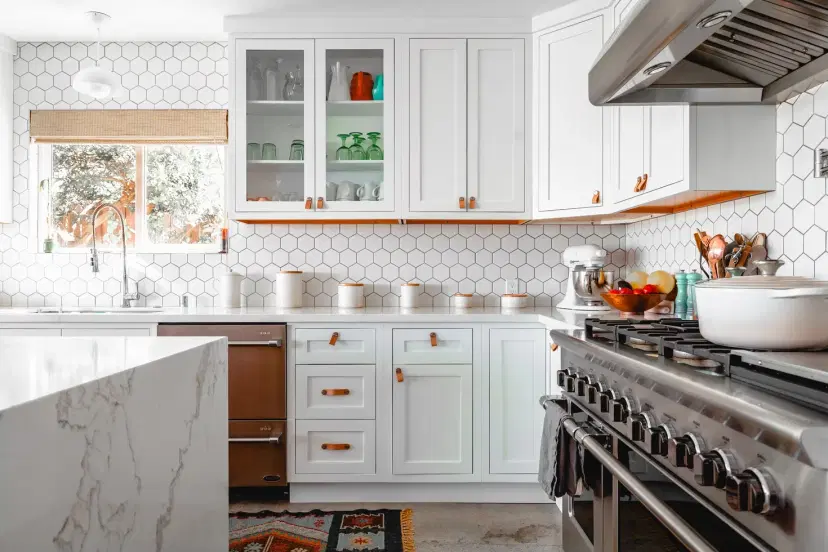
The kitchen is one of the most detailed stops on the checklist. Landlords open every appliance and check:
- Oven, stove, and range hood for grease buildup
- Fridge and freezer for cleanliness and smell
- Cabinets and drawers for damage
- Sink, faucet, and garbage disposal function
- Countertops for burns or stains
4. Bathroom
Bathrooms get special attention because of mold and water damage risk. Landlords check:
- Grout and caulking around the tub and shower
- Toilet function and stability
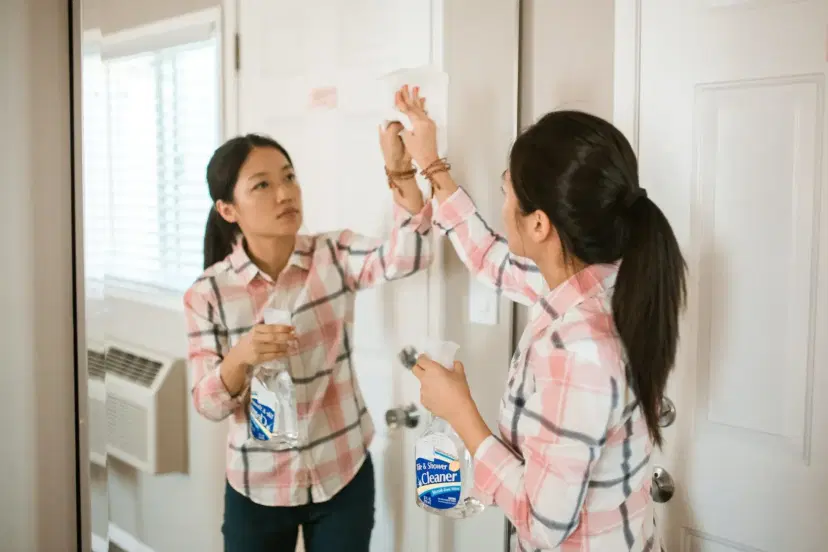
- Mirror, cabinet, and fixture condition
- Signs of mold or mildew
- Exhaust fan operation
5. Doors, locks, and windows
Safety items get tested one by one:
- Front door lock and deadbolt
- Window locks and screens
- Closet doors and tracks
- Any smart lock or keypad entry
6. Appliances
Beyond the kitchen, landlords test:
- Washer and dryer
- Dishwasher
- HVAC filters and thermostat
- Smoke and carbon monoxide detectors
7. Overall cleanliness
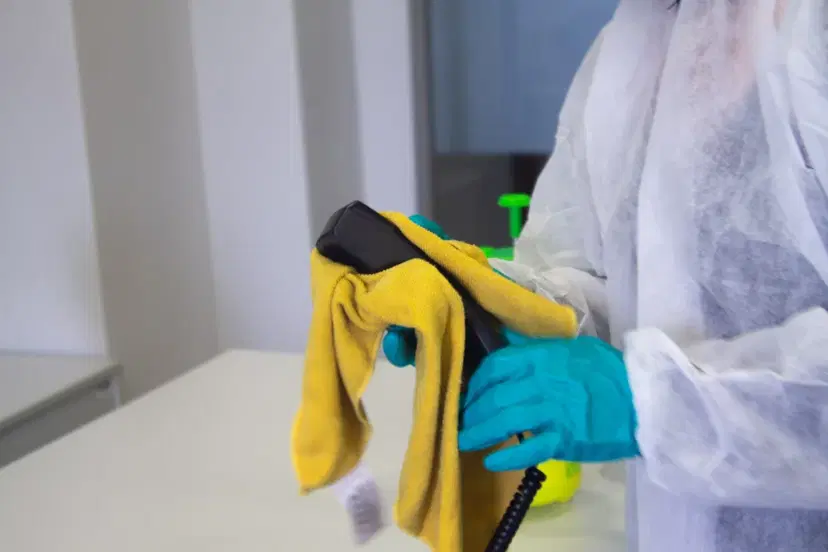
This is the section most tenants underestimate. A landlord checks whether the unit is broom clean, meaning:
- Floors vacuumed and mopped
- Bathrooms and kitchen sanitized
- No leftover trash or food
- Closets and storage areas emptied
- Light fixtures and vents dusted
According to the Avail move-out inspection guide, cleanliness is one of the most common reasons landlords cite when withholding part of a deposit, since a dirty unit adds real turnover cost and delay.
Normal wear and tear vs. real damage
This is the part most tenants get confused about. Landlords generally cannot deduct for normal aging of the unit. They can deduct for damage caused by neglect or misuse.
Normal wear and tear usually includes:
- Faded paint from sunlight
- Small nail holes
- Worn carpet in high traffic areas
- Loose door handles from years of use
Real damage usually includes:
- Large holes in walls
- Burns or stains on carpet
- Broken fixtures or appliances
- Pet damage like chewed doors or urine stains
The U.S. Department of Housing and Urban Development also publishes general guidance that separates ordinary aging of a rental unit from tenant-caused damage, which many property managers use as a reference point.
If you are renting in Ontario, the Landlord and Tenant Board explains tenant and landlord rights under the Residential Tenancies Act, which is a useful reference if a dispute comes up.
How to prepare before the inspection
- Deep clean every room, including inside appliances
- Patch small nail holes
- Replace burnt out light bulbs
- Take your own photos and videos before handing back the keys
- Compare current condition to your move-in checklist if you have one
If you want to guarantee the property passes inspection without stress, a professional deep cleaning service in Toronto can handle every corner landlords check, from appliance interiors to grout lines, in one visit.
Common areas tenants forget to clean
Even careful tenants miss a few spots that landlords always check:
- Behind and under large appliances
- Inside light fixtures
- Window tracks and blinds
- Baseboards and vents
- Inside kitchen cabinets and drawers
These small details often decide whether a tenant gets their full deposit back or faces a cleaning deduction that can top the cost of move out cleaning services. Booking a full move-out deep cleaning in Ottawa before your final walkthrough covers these overlooked spots so nothing gets missed.
Why choose Ezi Home Services
Ezi Home Services helps tenants and landlords across Ottawa, Toronto, and Montreal get properties ready for move-out inspections without the stress. Our deep cleaning teams handle everything landlords actually check, from kitchen grease and appliance interiors to bathroom grout, baseboards, and window tracks. With over 260 reviews on Google, homeowners and renters across all three cities trust us to leave units spotless and inspection ready. Whether you live near downtown Ottawa, the Toronto core, or central Montreal, our team shows up on time, works efficiently, and leaves nothing behind but a clean, fresh space. If you are getting ready to move out and want to avoid deposit deductions, our deep cleaning service in Montreal is a simple way to make sure every room is spotless before your landlord walks through.
Conclusion
Landlords check cleanliness, wall and floor condition, appliances, fixtures, and overall damage during a move-out inspection. Knowing what they look for ahead of time makes the process quick and stress free. A little preparation, and a thorough clean, goes a long way toward getting your full deposit back.
Frequently Asked Questions
Do landlords check inside kitchen cabinets?
Yes, landlords open cabinets and drawers to check for leftover items and cleanliness.
Will small nail holes cost me my deposit?
No, small nail holes are usually considered normal wear and tear.
How soon after move-out do landlords inspect?
Most landlords inspect within 24 to 48 hours after the tenant leaves.
Can a landlord charge for carpet cleaning?
Only if the carpet has stains or damage beyond normal use, not for routine wear.
Should I be present during the inspection?
It is recommended, since it lets you address any concerns on the spot.
Written by
Home Cleaning · Maintenance
Co-founder of Ezi Services and Draftbase, entrepreneur and builder focused on SaaS, AI, and growth — I turn ideas into scalable businesses using technology, automation, and relentless execution.