Cleaning Vinegar: What It Cleans, What It Ruins, and How to Dilute It
By Samer Alsayegh · · 9 min read
Key Takeaways
- Cleaning vinegar has 6% acid. That is stronger than plain vinegar's 5%.
- Vinegar does not kill germs. The EPA has never approved it as a germ killer.
- Never use vinegar on stone counters, wood floors, or rubber seals.
- Use one part vinegar to five parts water on floors. Use it full strength on kettles.
- Never mix vinegar with bleach. It makes a gas that can burn your lungs.
Cleaning vinegar is just white vinegar with more punch. It has 6% acid instead of the usual 5%, per HowStuffWorks. Both cut grease. Both dissolve mineral spots and soap scum. But vinegar is an acid. Acid wears down stone. It dulls wood finishes. It eats rubber seals over time. Ezi Home Services hears this question a lot from homeowners who want a greener clean. So here's the full picture: what vinegar cleans well, how strong to mix it, and what it can ruin.
What is cleaning vinegar?
Plain white vinegar is 95% water and 5% acid. Cleaning vinegar bumps that to 6%. That gives it about 20% more power against grease and hard-water spots, per HowStuffWorks. It isn't food-grade. Skip it for cooking. Past that, the two work the same way. The acid breaks down mineral buildup. It also cuts grease that plain water leaves behind.
Neither type kills germs well. The EPA has never approved vinegar as a germ killer. It doesn't hit the agency's bar: 99.9% of germs dead on a surface. Plain vinegar fails against E. coli and staph. It also fails against flu and cold viruses. It only works on a few germs, and only in lab tests with long soak times. Use vinegar to cut grease and lift mineral spots. Don't count on it to kill germs.
Where vinegar works well
Vinegar earns its name on everyday grime, not deep germ-killing. It's a strong pick for these jobs:
- Counters and sinks (not stone): cuts soap scum and food residue on laminate, sealed tile, and steel.
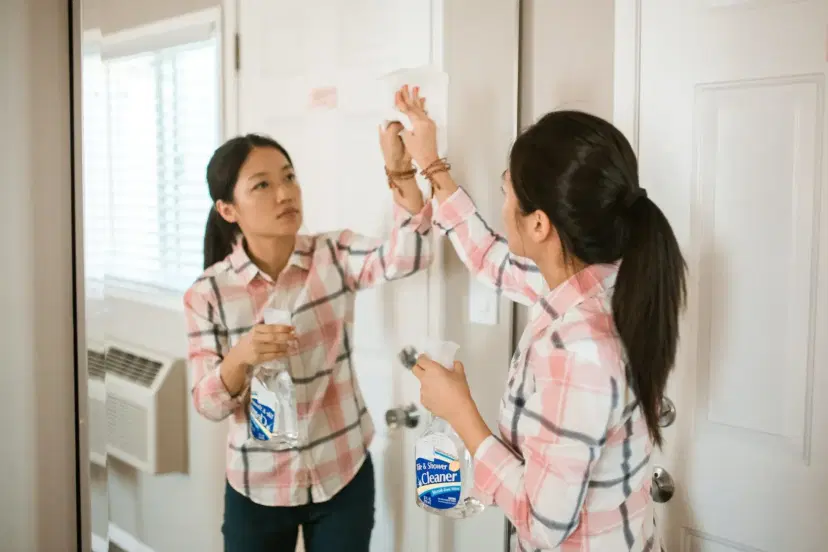
- Glass and mirrors: breaks up the streaky film some sprays leave behind.
- Coffee makers and kettles: breaks down hard-water buildup in one soak. See our full kettle descaling guide for exact soak times.
- Laundry: added to the rinse cycle, it cuts soap residue and static. No smell once dry.
- Grout and tile: loosens soap scum between tiles. Don't use it too often, though. It can wear down grout seal.
- Microwaves: steam a bowl of water and vinegar for a few minutes. Baked-on splatter wipes off easy after.
The pattern is simple. Vinegar works on hard, sealed surfaces built to take acid. That's also where it fails, which the next part covers.
How strong should you mix it?
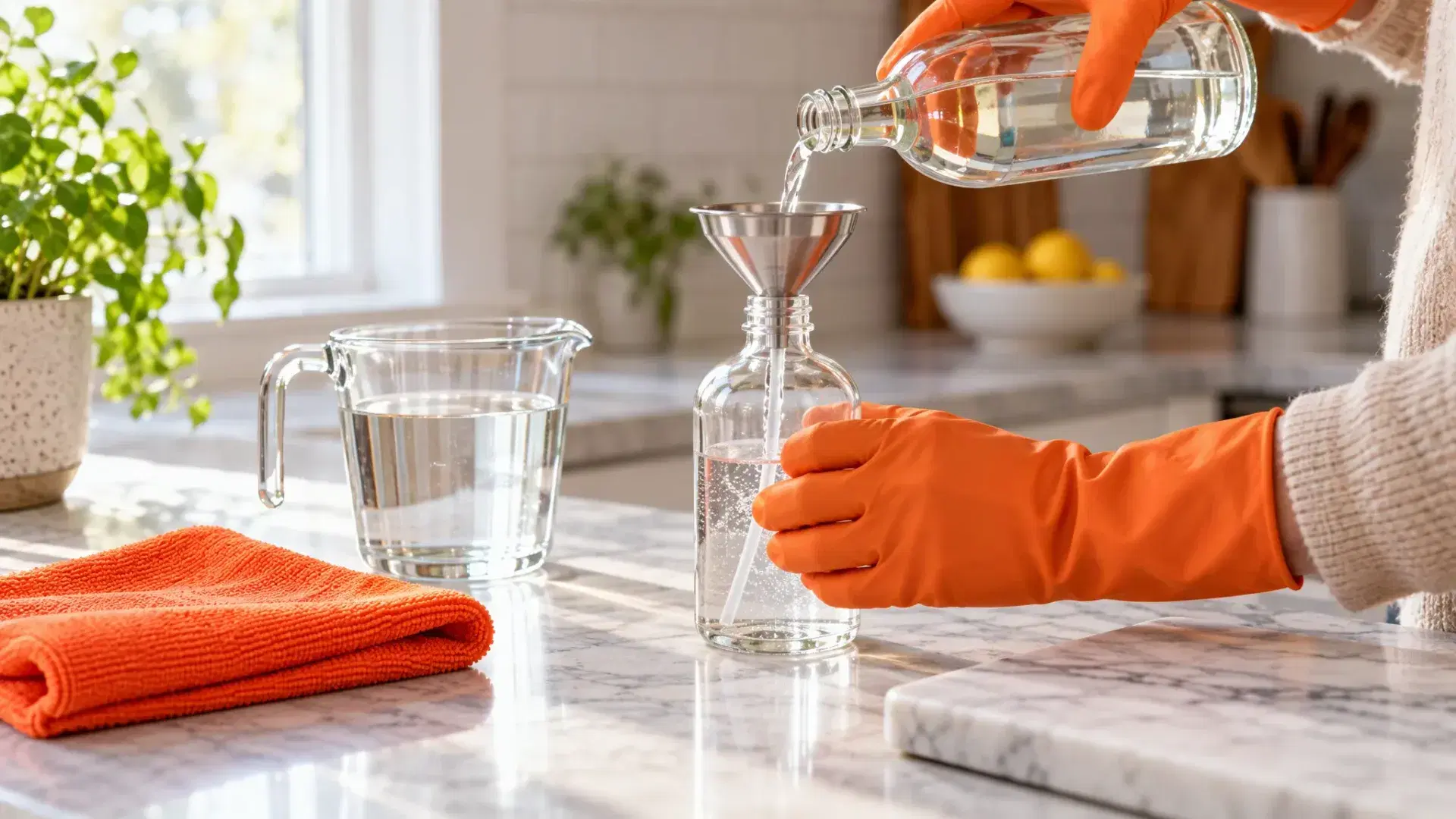
Match the mix to the job. Don't just spray full strength everywhere. Based on Alliance Chemical's guide:
- Counters and sinks: mix equal parts vinegar and water.
- Glass and windows: use one part vinegar to three parts water. Full strength tends to streak.
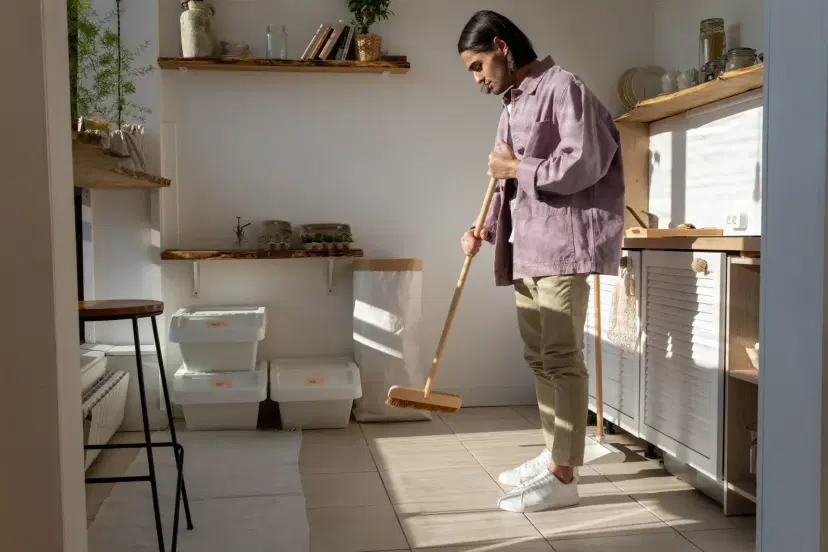
- Sealed hard floors: go weaker. Try one part vinegar to five or six parts water. This protects the floor's finish over time.
- Kettles and coffee makers: use full-strength vinegar. Thick mineral buildup needs the extra power.
- Anything unsure (grout, textured tile, older finishes): test a hidden spot first. Water it down more if you see any dulling.
More vinegar does not mean a better clean. Too much just means more rinsing. Left to dry, the extra acid can dull the surface.
What never to clean with vinegar
This is where a green cleaning routine can quietly cause harm. It often doesn't show up for months.
Natural stone. Granite, marble, limestone, and travertine all take damage. Vinegar's acid wears down the stone itself. It also breaks down the seal that protects it, per Liquid Image. Once a stone counter loses its shine this way, it stays lost. No amount of buffing brings it back. Use a pH-neutral stone spray instead. Plain dish soap and water work fine for light jobs.
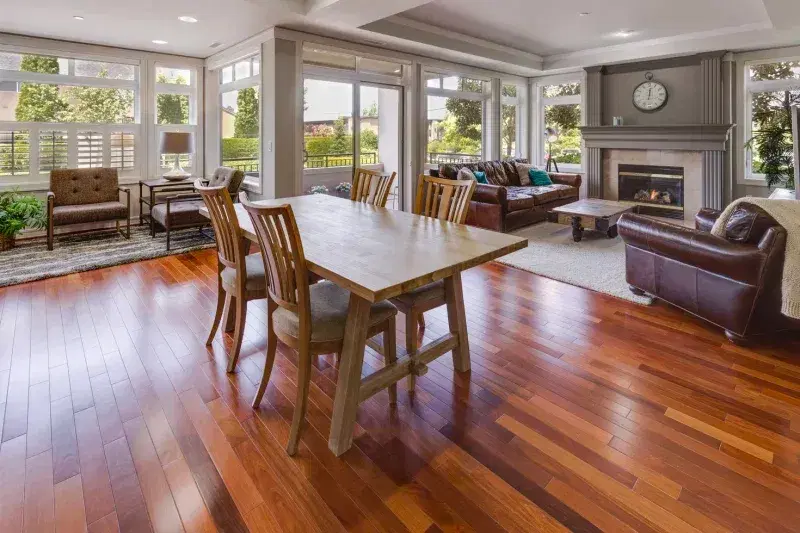
Hardwood floors. Vinegar strips the finish that protects wood floors, per Family Handyman and other flooring pros. That lets water reach the wood underneath. The wood then fades. It dulls. Over time it can even warp. A cleaner made for hardwood protects the finish while it lifts dirt.
Rubber seals. Washer and dishwasher seals wear out faster with repeat vinegar use, per House Digest. The acid breaks the rubber down bit by bit. That leads to leaks. Water then pools inside the seal, and mould can grow there. Want to descale a dishwasher? Put a bowl of vinegar on the top rack for one cycle instead. Skip the rinse-aid slot. It sits right against the pump seal.
Egg stains. This one surprises most people. Acid makes egg white firm up and stick harder. That makes the mess worse, not easier to wipe.
Cast iron and aluminum. Vinegar strips the coating off cast iron pans. It can also pit bare aluminum with repeat use.
Never mix vinegar with these
Vinegar turns dangerous, not just weak, when mixed with a few other cleaners.
Bleach. Mixing vinegar and bleach releases chlorine gas. Even a small whiff can burn the eyes, throat, and lungs. Never combine them. Don't even use them back-to-back on one surface without a full water rinse first.
Hydrogen peroxide. Mixed in one bottle, vinegar and hydrogen peroxide form a new acid. It's harsh enough to irritate skin and eyes, and it can damage some surfaces. Some cleaners use both safely, just not together: spray one, wipe it off fully, then spray the other. Never mix them in the same bottle.
Baking soda, sort of. This one's more myth than danger. Vinegar and baking soda cancel each other out into mostly salty water. The fizz looks strong, but it does little real cleaning once it settles. It won't hurt you, but sealing the mix in a closed jar can build up gas and pop the lid. Use them apart instead. Baking soda scrubs as a paste. Vinegar rinses after as the acid step. For more vinegar and baking soda recipes by room, see our guide to natural cleaning supplies.
Why bother when you can just buy a spray?
Cost is the real reason vinegar sticks around. A litre of plain white vinegar runs about $0.50 to $1.50 in Canada, and one litre mixed with water makes several bottles of all-purpose spray. A single 950 mL bottle of a name-brand cleaner often runs $5 to $15. CBC Life points to the same appeal: fewer ingredients, less packaging waste, and a routine that skips added dyes and fragrance chemicals some households want to avoid.
That savings only holds on the surfaces vinegar is actually built for. Etch a stone counter or strip a hardwood finish, and the repair bill wipes out years of spray-bottle savings in one visit. Vinegar earns its cost advantage on laminate, tile, and glass. It loses that advantage fast anywhere on the "never" list above.
Methodology
The mix ratios and surface warnings here come from trade and industry sources. That includes HowStuffWorks on cleaning vinegar strength, and Alliance Chemical's dilution guide. The damage warnings draw on reporting from Family Handyman and House Digest, on how vinegar affects stone, wood floors, and rubber seals. The germ-killing claims are checked against the EPA's own rules for germ-killing products, a bar vinegar has never met.
When to call in a professional cleaner
Vinegar is great for the everyday stuff: counters, glass, a crusty kettle. It won't replace a real deep clean. And it's the wrong tool for stone counters, wood floors, or anything with a rubber seal. Not sure if a surface in your home can take an acid cleaner? Skip the guesswork. Ezi's house cleaning services send vetted pros. They already know which products fit which surfaces. Want a deeper reset that covers baseboards, appliances, and grout in one visit? A deep clean covers all of it. No mixing ratios needed.
The bottom line
Cleaning vinegar is a cheap, strong grease-cutter and mineral remover. It shines on counters, glass, and appliances built to take acid. It is not a germ killer, no matter what a blog post claims. Mix it to fit the job. Keep it off stone, wood floors, and rubber seals. Never mix it with bleach or hydrogen peroxide. Get those basics right, and vinegar earns a spot under your sink for good. For anything vinegar can't touch, Ezi's cleaning services bring the right product for the surface, every time.
Frequently Asked Questions
Is cleaning vinegar the same as white vinegar?
Cleaning vinegar has 6% acid, not the usual 5% in white vinegar. That extra strength cuts grease and mineral buildup about 20% better. It is not food-grade, though. Keep it out of the kitchen for cooking.
Does vinegar disinfect surfaces?
No, vinegar does not disinfect. The EPA has never approved vinegar as a germ killer. It fails to reliably kill E. coli, staph, or flu viruses. Use it to cut grease and lift mineral spots, not to sanitize.
What should you never clean with vinegar?
Never use vinegar on natural stone, hardwood floors, or rubber seals. The acid etches stone for good. It strips the finish off wood floors. It also breaks down rubber gaskets over time, which leads to leaks.
Can you mix vinegar and baking soda for cleaning?
No, the two mostly cancel out into salty water with little cleaning power left. Use baking soda as a scrub paste first. Then rinse with vinegar on its own for the acid step.
Is it safe to mix vinegar with bleach?
No, never mix vinegar with bleach. The mix releases chlorine gas. Even a small whiff can burn the eyes, throat, and lungs.
What is the best vinegar to water ratio for cleaning floors?
Use one part vinegar to five or six parts water on sealed hard floors. This weaker mix still cuts grime. It also protects the floor's finish from repeat acid exposure.
vinegar
natural cleaning
cleaning tips
diy cleaning
house cleaning
Explore more
Written by
Home Cleaning · Maintenance
Co-founder of Ezi Services and Draftbase, entrepreneur and builder focused on SaaS, AI, and growth — I turn ideas into scalable businesses using technology, automation, and relentless execution.