How to Clean a House: The Complete Room-by-Room Guide
By Samer Alsayegh · · Updated · 8 min read

Key Takeaways
- Clean kitchen first, then bathrooms, then bedrooms and living areas.
- Vacuum and mop floors last, in every room and in the whole house.
- Work top to bottom in each room so dust falls onto surfaces not yet cleaned.
- Daily tasks take 10-15 minutes; weekly tasks take 30-45 minutes per session.
- Canadians spend 6.5 hours a week on chores, per Statistics Canada.
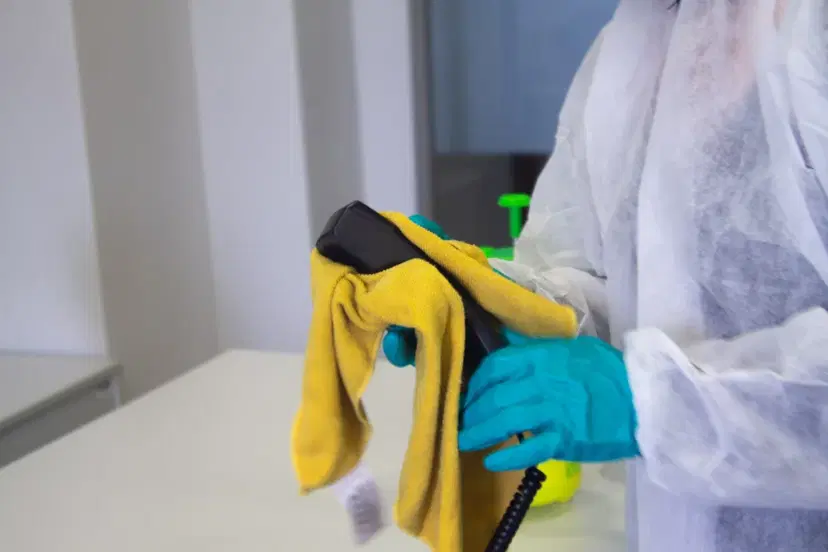
Cleaning a house properly means working top to bottom, room to room, in a fixed order. Clean the kitchen and bathrooms first. Move to bedrooms and living areas next. Floors come last, everywhere. Skip that order and you redo work. Vacuum before you finish dusting, and you vacuum twice. Clean the bathroom before the kitchen, and the dirtier room waits too long.
Most people know how to wipe a counter or run a vacuum. What trips up a whole-house clean is sequence. Which room goes first? Which surface goes first inside that room? When do you stop cleaning and start mopping? Canadians spend an average of 6.5 hours a week on household chores, according to Statistics Canada's 2024 Labour Force Survey. A clear order turns that time into a clean house instead of a weekend spent backtracking.
This guide covers the order that actually works. It also links to Ezi Home Services' full library of how-to guides, room by room and item by item, for every surface, appliance, and fabric in your home.
Why does cleaning order matter?
Cleaning order matters because dust, grime, and moisture move downward and outward as you clean. Clean out of order and you redo work. Dust a shelf after you vacuum, and the floor needs vacuuming again. Mop a floor before you wipe the counters above it, and splashed cleaner lands right back on the clean floor.
The fix is a fixed sequence. Go high to low within a room. Go dirtiest to least-dirty across rooms. Floors come dead last, everywhere. Our full room-by-room cleaning guide breaks this down task by task if you want the complete checklist. Here's the short version.
What's the right order to clean a house in?
Clean the kitchen first, bathrooms second, bedrooms and living areas third, and floors last in every room and last in the house overall. Within each room, work from the highest surfaces down to the floor.
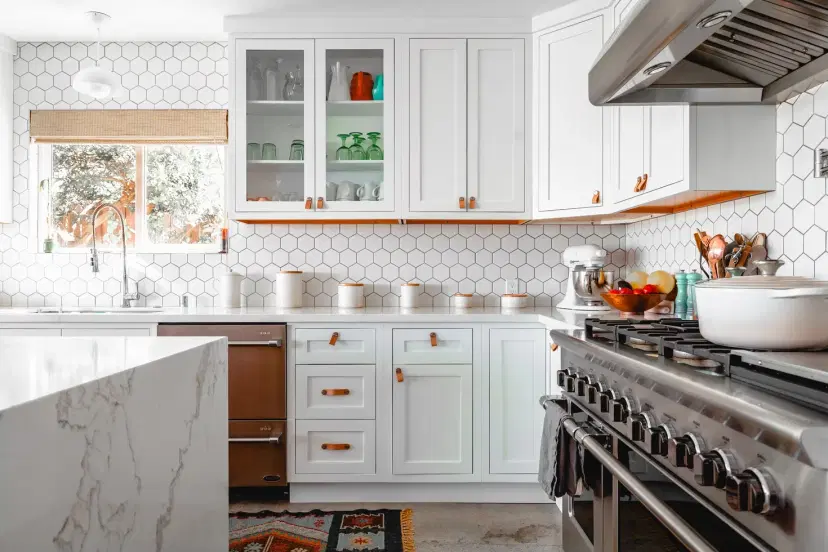
- Kitchen. Counters, appliance exteriors, and the sink carry the heaviest daily buildup of grease and food residue, so this room goes first.
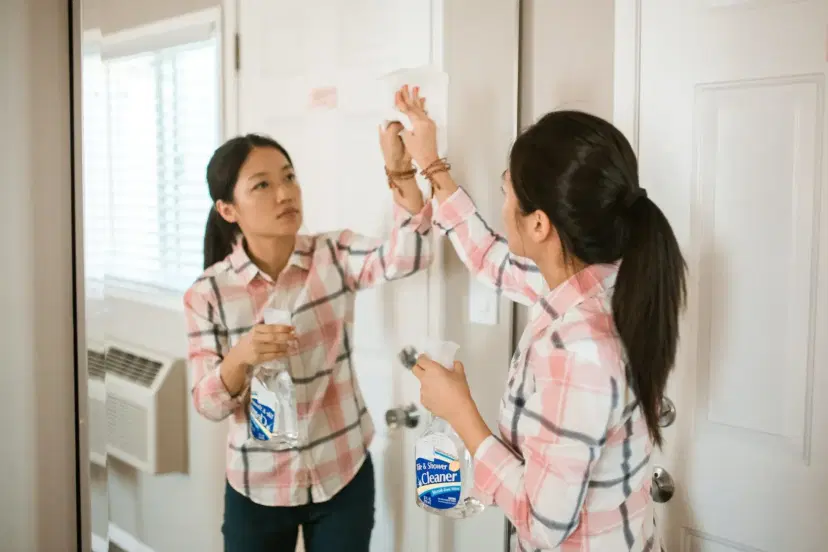
- Bathrooms. Second-highest germ load in most homes. Scrub toilets, sinks, and showers, then wipe mirrors.
- Bedrooms. Make beds, dust surfaces, and clear clutter. Lower germ load than kitchen or bathroom, but visible mess piles up fast here.
- Living areas. Dust shelves and electronics, vacuum upholstery, wipe down surfaces.
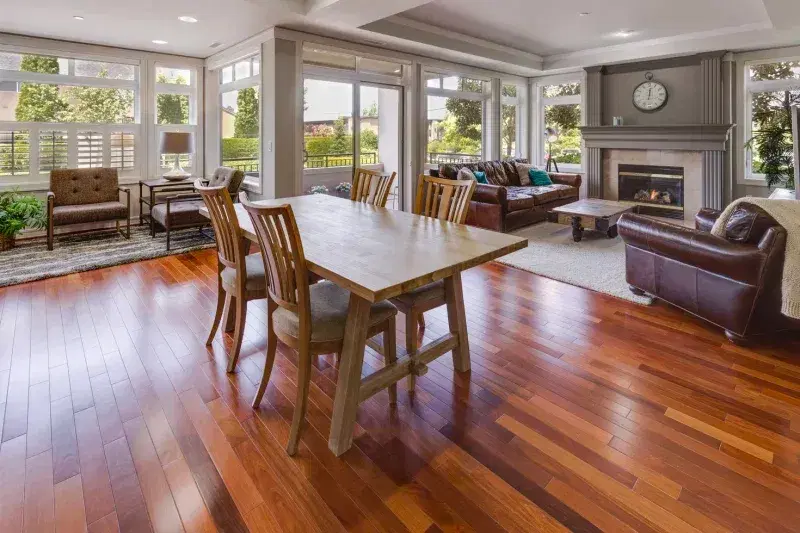
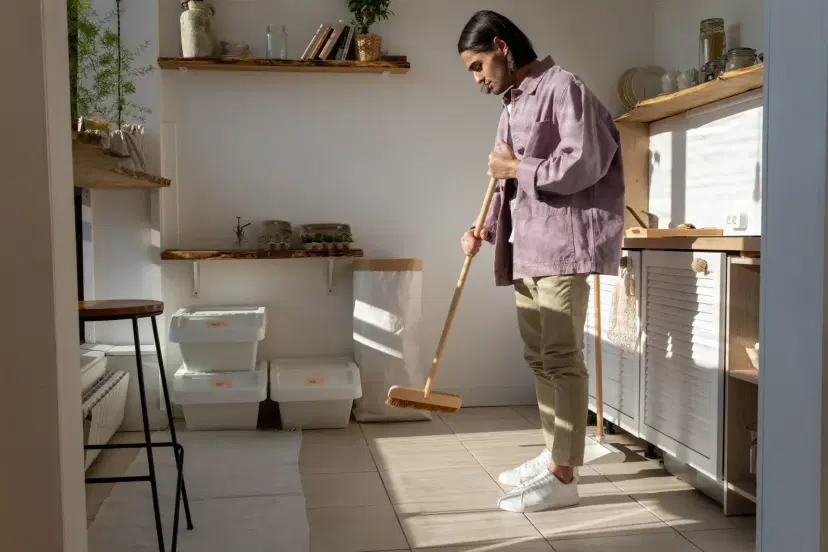
- Floors, everywhere, last. Vacuum first, then mop. Doing floors room by room as you go means walking on wet or dusty floors while you finish the rest of the house.
How do you clean each specific item or surface?
The steps above cover sequence. For the actual technique on a specific surface, appliance, or fabric, use the guide that matches what you're cleaning:
Kitchen
- The fastest way to clean a kitchen top to bottom
- How to descale a kettle
- How to clean and deep-clean a dishwasher
- How to clean and deodorize a fridge
- How to clean stainless steel appliances without streaks
- How to clean stainless steel pots and pans
Bathroom
- How to deep clean a bathroom: shower, tub, tile, and grout
- How to remove mold from shower caulking
- How to clean a hazy mirror
Floors and carpet
- How to clean carpets at home: step-by-step guide
- How to clean carpet on stairs
- How to clean an area rug at home
- Cleaning different kinds of floors in your home
- How to clean hardwood floors without damaging them
- Carpet stain removal guide (wine, pet, coffee, grease)
Living areas and fabric
- How to clean upholstery: a comprehensive guide
- How to clean a fabric sofa and couch
- How to get pet odor and stains out of a fabric couch
- How to clean blinds by blind type
- How to clean windows without streaks
- Tips on how to clean your walls and ceilings
Stains and laundry
Bookmark this page as your index. Ezi adds new how-to guides regularly, and this list gets updated as they publish.
How does a daily, weekly, and monthly routine fit together?
A full clean isn't one big job. It's three tiers running on different clocks. Daily tasks take 10-15 minutes and stop mess from piling up: wiping counters, making beds, a quick clutter sweep. Weekly tasks take 30-45 minutes per session and are the real clean: full kitchen and bathroom scrub, vacuuming, mopping. Monthly and seasonal tasks catch what the other two miss: inside the oven, baseboards, grout lines, window washing.
Our printable weekly cleaning checklist lays out exactly which tasks fall into which tier, split by day of the week so nothing gets skipped.
Methodology
The room order and daily/weekly/monthly structure in this guide match the sequence Ezi's own cleaning teams follow on paid jobs. We cross-checked it against the chore-time data in Statistics Canada's 2024 Labour Force Survey. For a specific technique, like descaling or stain removal, use the linked guide for that item. Each one cites its own sources.
When cleaning the whole house isn't realistic
A full top-to-bottom clean takes a few hours, even with a good system. Most households don't have a spare afternoon every week for it. That's the gap a professional house cleaning service closes: the same room order and technique above, done on a schedule you set once.
Ezi connects you with vetted cleaning providers across Canada. Book a cleaning in a few taps and get an upfront price before anyone arrives. Learn more about Ezi's house cleaning service.
The bottom line
Kitchen first, bathrooms second, bedrooms and living areas third, floors last, always top to bottom within each room. Follow that sequence and the house gets cleaner as you go. Skip it and you redo work you already did. Use the links above for the specific technique on whatever you're tackling next.
How To
Frequently Asked Questions
How do you clean a house properly?
Clean top to bottom and back to front in each room, then move kitchen and bathrooms first, followed by bedrooms and living areas, with floors last in every room. This order stops you from re-dirtying a surface you already cleaned and matches the routine professional cleaners use.
What order should you clean a house in?
Clean the kitchen and bathrooms first, since they carry the most bacteria and daily mess, then bedrooms and living areas, and finish with floors throughout the whole home. Within each room, work from high surfaces down to the floor so dust and debris fall onto a surface you have not cleaned yet.
What's the fastest way to clean a whole house?
The fastest whole-house clean follows a strict top-to-bottom, room-to-room order with no backtracking: declutter, dust high surfaces, wipe counters, then vacuum and mop last in every room. Skipping between rooms or redoing floors partway through is what makes most home cleans take longer than they need to.
How often should you clean your house?
Daily tasks like wiping counters and making beds take 10-15 minutes and should happen every day, weekly tasks like vacuuming and bathroom scrubbing need 30-45 minutes a session, and monthly or seasonal deep-clean tasks catch what the other two tiers skip. Canadians spend an average of 6.5 hours a week on household chores, according to Statistics Canada's 2024 Labour Force Survey.
Should you dust or vacuum first?
Dust first, then vacuum, since dusting knocks debris onto the floor that the vacuum needs to pick up afterward. Vacuuming before dusting means redoing the floors once dust settles from the surfaces above.
What do professional cleaners clean first?
Professional cleaners typically start with the kitchen, since it has the heaviest daily buildup of grease and food residue, then move to bathrooms, bedrooms, and living areas, finishing with floors in every room. This room order is the same one used across Ezi's own cleaning checklists.
how to clean
house cleaning
cleaning guide
home maintenance
Explore more
Written by
Home Cleaning · Maintenance
Co-founder of Ezi Services and Draftbase, entrepreneur and builder focused on SaaS, AI, and growth — I turn ideas into scalable businesses using technology, automation, and relentless execution.